Gorilla Trekking

Wildlife Moderate 2-6 hours trek
Gorilla Trekking

Gorilla Trekking and Gorilla Habituation in Uganda

Uganda offers some of Africa’s most rewarding gorilla experiences, allowing visitors to explore ancient rainforests and encounter endangered mountain gorillas in their natural habitat.

Through gorilla trekking and gorilla habituation experiences in Bwindi Impenetrable National Park and Mgahinga Gorilla National Park, travelers can enjoy unforgettable wildlife encounters while supporting mountain gorilla conservation efforts.

What is Gorilla Trekking

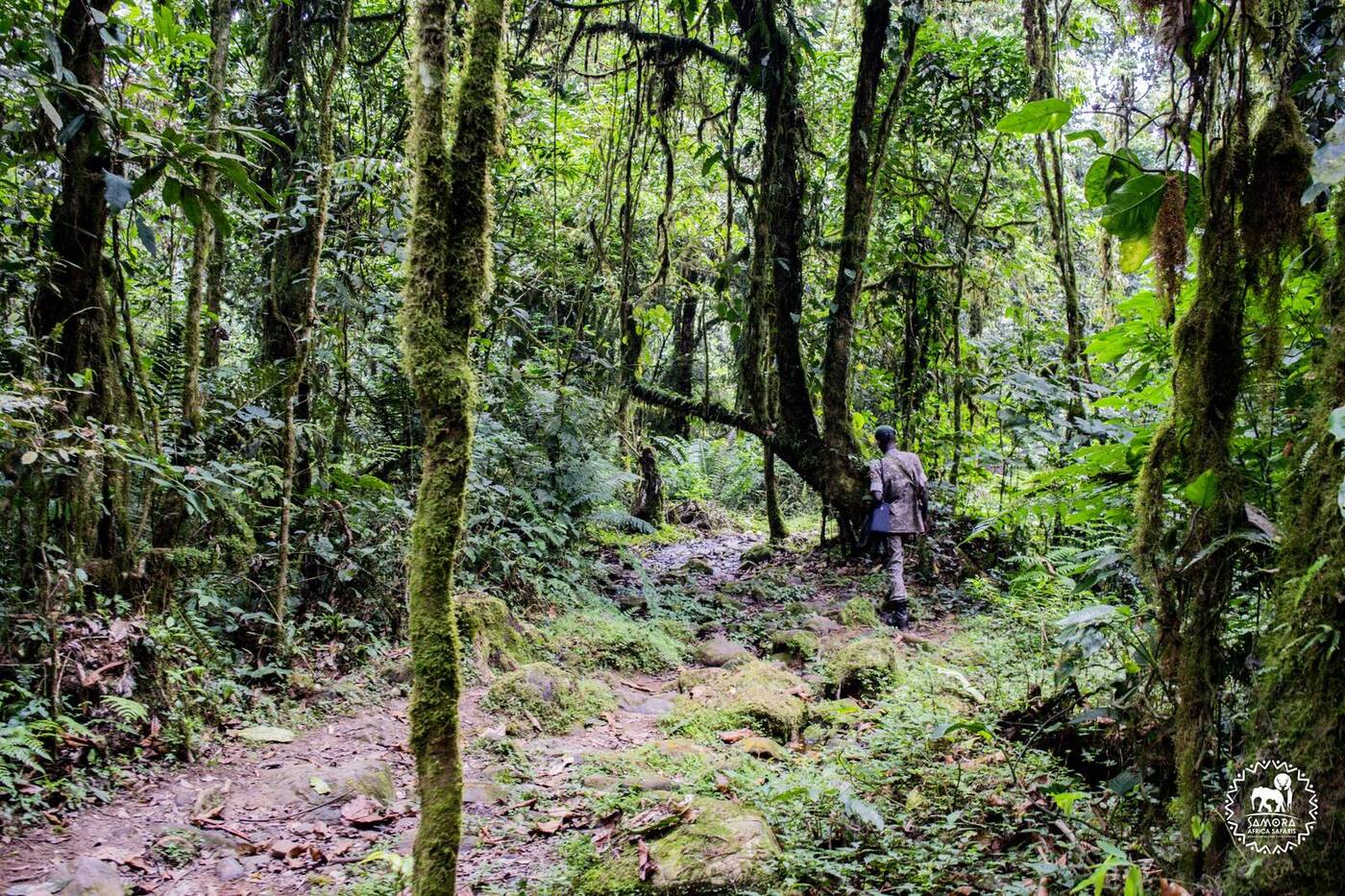
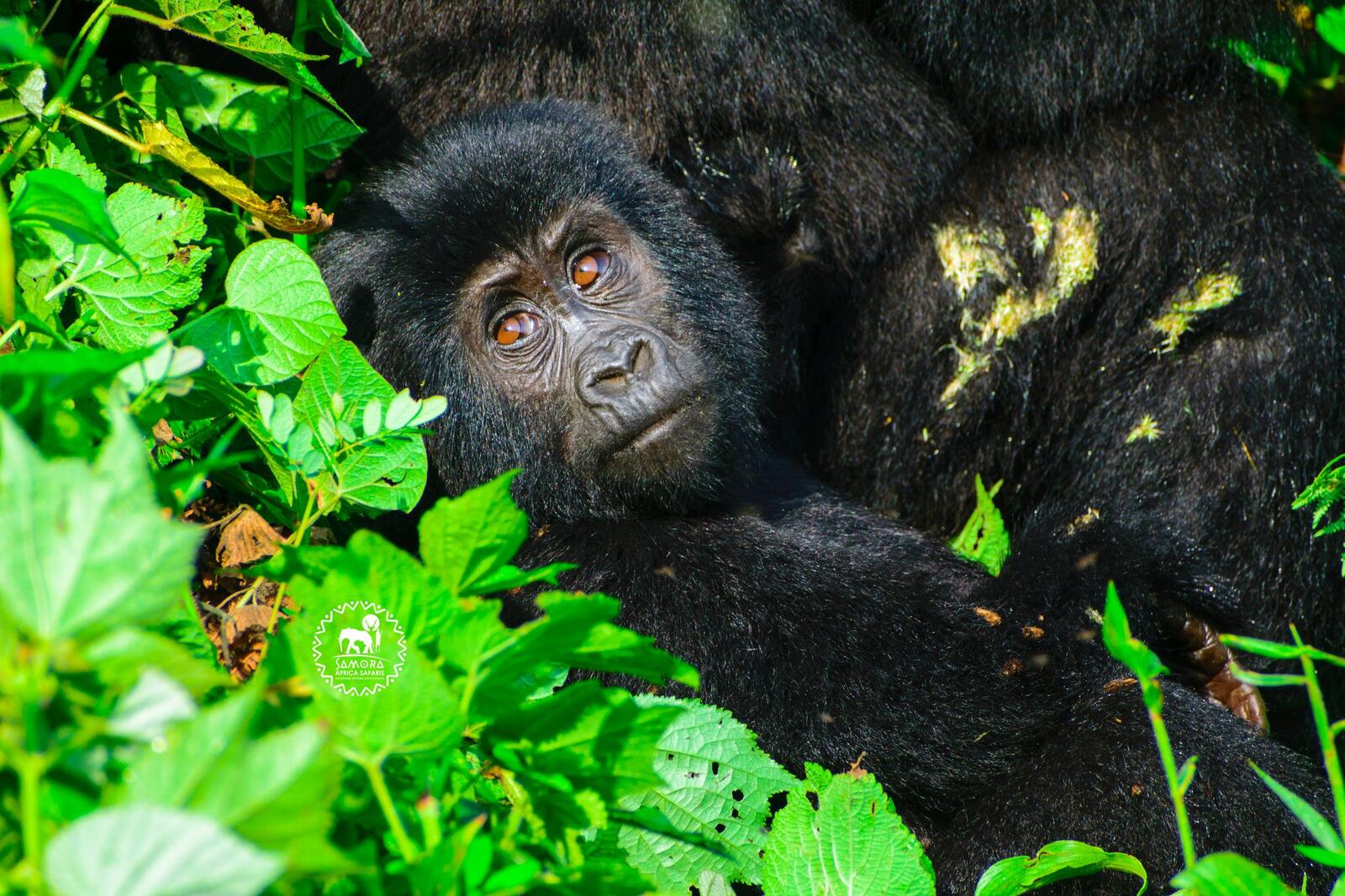
Gorilla trekking is a unique wildlife experience that involves hiking through dense tropical forests, rugged terrain, and lush vegetation in search of a habituated mountain gorilla family.

Accompanied by experienced guides and armed park rangers, visitors follow gorilla trails deep into the forest for a rare opportunity to observe these remarkable primates in their natural habitat.

Uganda Gorilla Safari Experience

Uganda is one of Africa’s premier gorilla trekking destinations, offering rare and unforgettable encounters with mountain gorillas in their natural habitat.

Set within ancient rainforests, Uganda provides opportunities for both gorilla trekking and the unique gorilla habituation experience while allowing visitors to explore some of the continent’s most biodiverse and scenic wilderness areas.

A gorilla safari in Uganda is more than a wildlife adventure; it is an opportunity to connect with nature while exploring some of Africa’s most remarkable forest ecosystems. The experience combines thrilling rainforest hikes, close encounters with mountain gorillas, and the chance to discover the rich biodiversity of Uganda’s protected wilderness areas.

Beyond the adventure itself, gorilla tourism plays a vital role in conservation and community development. Every gorilla permit purchased contributes to the protection of endangered mountain gorillas, supports the preservation of their natural habitat, and benefits local communities living alongside these protected areas.

By participating in gorilla trekking or gorilla habituation, visitors play a direct role in safeguarding the future of these remarkable primates while creating meaningful memories that last a lifetime.

Gorilla Trekking Locations in Uganda

Gorilla trekking in Uganda takes place in two protected areas in the country’s southwestern region: Bwindi Impenetrable National Park and Mgahinga Gorilla National Park. Together, these parks are home to nearly half of the world’s remaining mountain gorillas, making Uganda one of Africa’s most sought-after destinations for gorilla trekking.

Guided by experienced rangers from the Uganda Wildlife Authority, visitors have the opportunity to track habituated gorilla families through dense rainforests, observe their natural behaviours at close range, and enjoy an authentic wildlife experience in some of Uganda’s most remarkable wilderness areas.

1. Bwindi Impenetrable National Park

Bwindi Impenetrable National Park is the most popular gorilla trekking destination in Uganda. It is home to over 20 habituated gorilla families, distributed across four trekking sectors: Buhoma, Ruhija, Rushaga, and Nkuringo.

The Park offers a dense rainforest experience and provides the highest number of gorilla trekking permits per day in Uganda, making it the country’s most accessible destination for gorilla trekking safaris.

Gorilla Trekking Sectors in Bwindi

Gorilla trekking in Bwindi Impenetrable National Park is carried out in two main sectors: the northern and southern regions. Each sector has two trekking locations where visitors can encounter different habituated gorilla families.

The northern sector includes Buhoma and Ruhija, while the southern sector comprises Rushaga and Nkuringo.

Rushaga Gorilla Trekking Location

Rushaga tracking location has 12 habituated gorilla families, which is the highest number of gorilla families in Bwindi Impenetrable National Park.

It attracts a high number of visitors daily compared to other locations. Some of the gorilla families found here include:

  • Mishaya
  • Bweza
  • Bikyingi
  • Kahungye
  • Busingye
  • Mucunguzi
  • Rwigi
  • Nshanjare
  • Kutu
  • Nshongi

Nkuringo Gorilla Trekking Location

Like Rushaga, Nkuringo is located in the southern sector of Bwindi Impenetrable National Park and is home to four habituated gorilla families that are available for trekking daily.

The habituated gorilla families in Nkuringo include:

  • Posho Gorilla Family
  • Bushaho Gorilla Family
  • Nkuringo Gorilla Family
  • Christmas Gorilla Family

Buhoma Gorilla Trekking Sector

Buhoma, located in Bwindi’s northern sector, has historically been the most visited gorilla trekking location in Uganda.

Mountain gorilla tracking began at Buhoma in 1993, with the Mubare Gorilla Family becoming the first gorilla group to undergo habituation.

Buhoma also houses the headquarters of Bwindi Impenetrable National Park, making it one of the most important conservation and tourism centres in the region.

Currently, Buhoma tracks several habituated gorilla families, including:

  • Mubare
  • Habinyanja
  • Katwe
  • Rushegura
  • Muyambi
  • Happy
  • Bunyindo

Ruhija Gorilla Trekking Sector

Ruhija tracking site is located in the northern sector of Bwindi Forest, where four habituated gorilla families are tracked daily.

Situated at approximately 2,350 metres above sea level, Ruhija is the highest and coldest sector of Bwindi Impenetrable National Park.

The habituated gorilla families in Ruhija include:

  • Kyaguriro
  • Oruzogo
  • Bitukura
  • Mukiza

2. Mgahinga Gorilla National Park

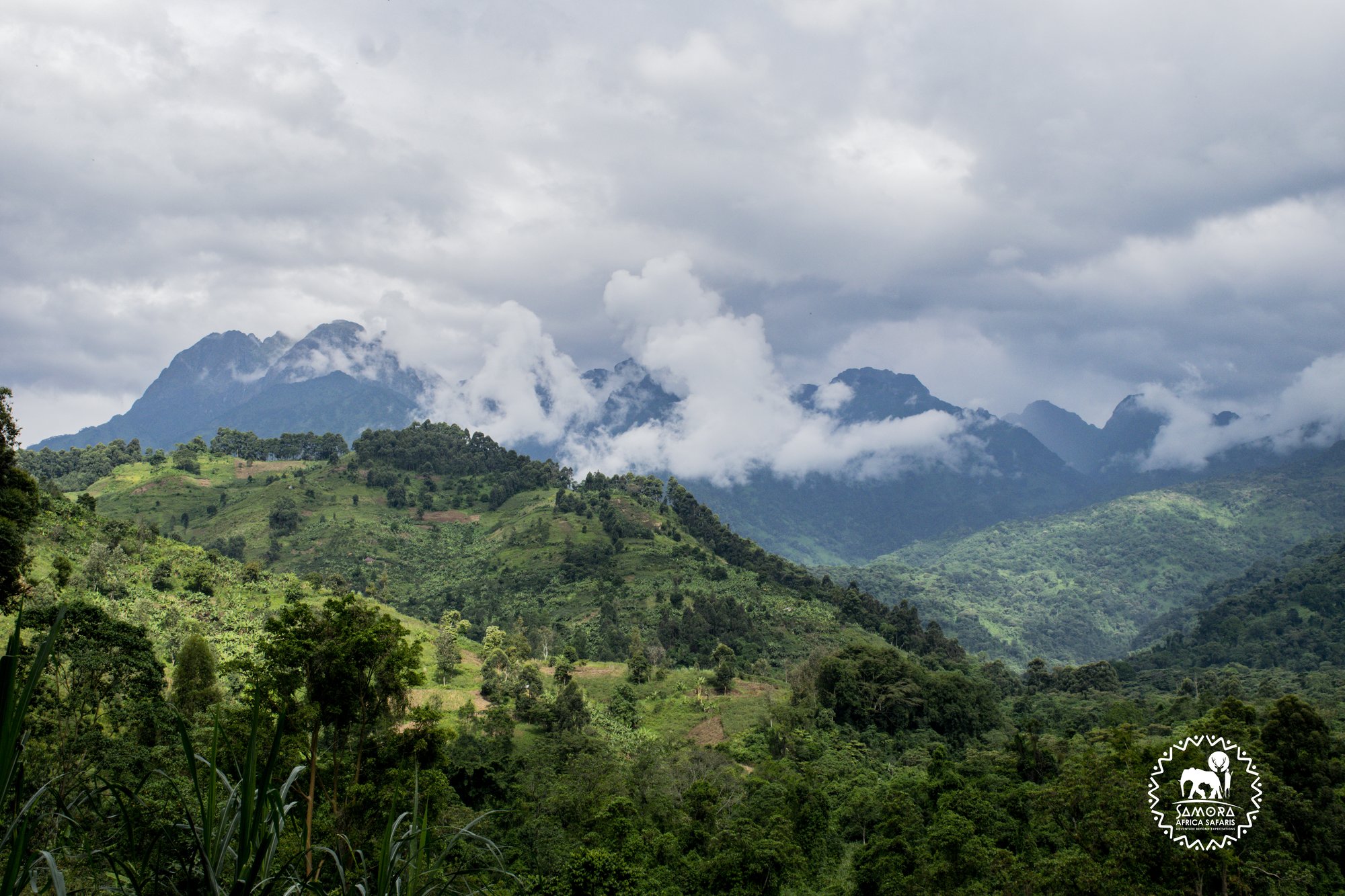
Mgahinga Gorilla National Park in southwestern Uganda, within the Virunga Conservation Area, is one of the best places for gorilla trekking in Uganda.

It is home to the Nyakagezi gorilla family, a single habituated group of about 9–10 individuals, including 4–5 silverbacks, adult females, and infants.

The park offers a more exclusive experience with only eight gorilla trekking permits issued per day, making it less crowded than other destinations.

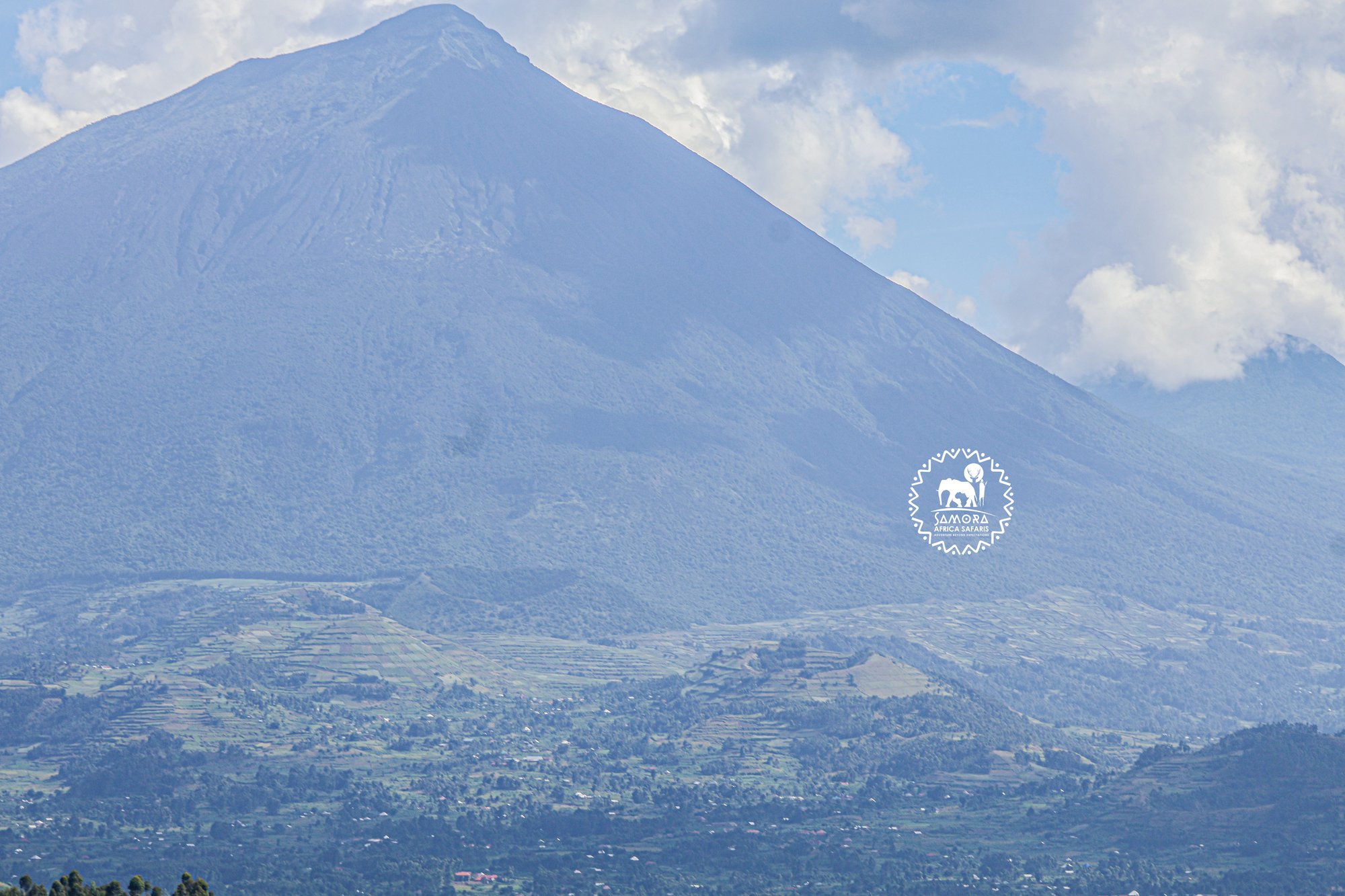
Set against scenic volcanic landscapes, Mgahinga provides a unique and intimate Uganda gorilla trekking safari experience.

Why Choose Uganda for a Gorilla Trekking Safari

There are several reasons why you should choose Uganda for your gorilla trekking adventure, including affordable gorilla trekking permits, rich biodiversity, diverse trekking locations, and exceptional wildlife experiences.

These and many other advantages make Uganda one of the leading destinations for mountain gorilla trekking in Africa, as explained below.

Two Gorilla Trekking Locations

Uganda offers gorilla trekking experiences in two protected national parks: Bwindi Impenetrable National Park and Mgahinga Gorilla National Park.

These two parks feature multiple trekking sectors, diverse hiking trails, and rich forest ecosystems, offering visitors a varied and immersive mountain gorilla trekking experience.

More Gorilla Trekking Sectors

Uganda offers gorilla trekking experiences across five tracking locations. Bwindi Impenetrable National Park has four trekking sectors which are Buhoma, Ruhija, Rushaga and Nkuringo while Mgahinga Gorilla National Park is home to the Nyakagezi gorilla group.

These trekking areas vary in altitude and terrain, allowing visitors with different fitness levels to choose an option that best suits them.

Variety of Gorilla Families

Uganda is home to over 25 habituated mountain gorilla families, making it one of the top destinations for gorilla trekking. This abundance increases the chances of securing trekking permits and provides greater flexibility when choosing trekking sectors.

Gorilla Trekking Permit Costs and Value

Uganda offers one of the most affordable gorilla trekking permits in Africa, providing excellent value compared to Rwanda. A gorilla trekking permit in Uganda costs USD 800 for foreign non-residents, while Rwanda’s permit costs USD 1,500.

This makes Uganda an attractive option for travelers seeking an unforgettable gorilla trekking experience with excellent value.

Rich Biodiversity and Scenic Landscapes

In addition to gorillas, Uganda’s rainforests are rich in primates, birds, butterflies, and unique plant species. The dramatic landscapes of Bwindi Impenetrable National Park and the Virunga Mountains make the trekking experience more immersive and scenic.

Safe and Well-Protected Gorilla Trekking Destinations

Uganda offers a safe and well-organized gorilla trekking experience. All gorilla trekking activities are conducted under the guidance of experienced guides and rangers from the Uganda Wildlife Authority (UWA).

Strict conservation regulations, regular monitoring of gorilla families, and professional ranger support help ensure the safety of both visitors and wildlife throughout the trekking experience.

These measures have made Uganda one of Africa’s most trusted and sought-after destinations for mountain gorilla trekking.

Gorilla Trekking Permits, Information and Cost

Gorilla trekking permits are an essential requirement for anyone planning to visit Uganda’s mountain gorillas. Understanding permit requirements, booking guidelines, age limits, payment procedures, and current permit costs helps travelers plan a smooth and unforgettable gorilla trekking experience.

How to Obtain a Gorilla Trekking Permit in Uganda

Gorilla trekking permits in Uganda are issued exclusively by the Uganda Wildlife Authority (UWA) and can only be obtained through a licensed local tour operator.

At Samora Africa Safaris, we help travelers secure gorilla trekking permits and organize complete gorilla safari experiences in Uganda, including accommodation, transportation, and expert-guided tours. Our team ensures a seamless and well-planned journey, tailored to your travel preferences and designed to create a memorable mountain gorilla encounter.

Gorilla Trekking Age Limit

The minimum age for gorilla trekking in Uganda is 15 years. This requirement helps protect endangered mountain gorillas and ensures visitors are physically capable of completing the demanding rainforest trek under strict safety guidelines.

When to Book a Gorilla Trekking Permit

Gorilla trekking permits in Uganda should be booked 3–6 months in advance, especially during peak travel seasons, to secure availability on desired dates and trekking sectors.

Since the number of visitors allowed to track each gorilla family is limited each day, early booking helps secure your preferred trekking date and increases the chances of obtaining your preferred sector.

Advance planning also allows enough time to arrange accommodation, transportation, and other safari logistics, ensuring a smooth and well-organized gorilla trekking experience.

Confirmation of a gorilla trekking permit

A gorilla trekking permit is confirmed only after full payment of the required permit fee has been received and processed. Once payment is completed, the Uganda Wildlife Authority (UWA) issues and validates the permit, confirming the traveler’s authorization to participate in gorilla trekking.

Gorilla Trekking Permit Costs in Uganda

Currently, gorilla trekking permits in Uganda cost:

  • USD 800 per person for Foreign Non-Residents (FNR)
  • USD 700 per person for Foreign Residents (FR)

These rates are set by the Uganda Wildlife Authority (UWA).

Gorilla Permit Price Updates

Gorilla Trekking Permit prices are subject to revision by the Uganda Wildlife Authority (UWA) without prior notice.

Best Time for Gorilla Trekking in Uganda

Gorilla trekking in Uganda is available throughout the year. However, the periods from June to September and December to February are generally considered the most favorable times to trek due to better trail conditions, improved visibility, and greater comfort during forest hikes.

June to September: Best Trekking Conditions

The June to September period offers excellent conditions for gorilla trekking in Uganda. During these months, forest trails are usually less muddy and easier to navigate, making longer hikes through the rainforest more comfortable.

The clearer weather also provides better opportunities for photography and allows travelers to appreciate the scenic beauty of Uganda’s gorilla trekking landscapes with fewer weather-related challenges.

December to February: Ideal Trekking Conditions

The December to February period provides another excellent opportunity for gorilla trekking. With reduced rainfall, trails are generally more manageable, allowing visitors to explore the forest with greater ease.

Improved visibility during this time enhances photography opportunities, while the more stable weather conditions contribute to a comfortable and memorable trekking experience.

Why Choose the Dry Seasons for Gorilla Trekking?

Both periods offer favorable conditions for hiking, photography, and exploring Uganda’s tropical forests. Although gorilla trekking is possible throughout the year, these months are preferred by many travelers seeking easier trail conditions, better visibility, and a more enjoyable overall experience.

Gorilla Trekking During the Rainy Season

Gorilla trekking in Uganda is available throughout the year, including the rainy seasons from March to May and October to November. Although rainfall can make forest trails wetter and more challenging to navigate, these months offer unique advantages for travelers seeking a quieter rainforest experience.

During the rainy season, Uganda’s gorilla trekking regions become especially vibrant, with lush vegetation, fresh greenery, and beautiful rainforest scenery.

The lower number of visitors during these months often results in a more peaceful trekking environment, allowing travelers to enjoy the forest with fewer crowds.

While trails may be slippery in some areas, experienced guides and rangers provide support throughout the trek and adapt to prevailing conditions.

For travelers who appreciate lush landscapes and a quieter atmosphere, the rainy season offers a rewarding alternative to the busier trekking periods.

What to Expect During Gorilla Trekking in Uganda

A gorilla trekking adventure in Uganda offers you a unique opportunity to explore the rainforest, encounter mountain gorillas in their natural habitat, and trek alongside expert rangers.

Understanding what to expect helps you prepare for the journey and make the most of this unforgettable wildlife experience.

Guided Forest Hikes Led by Experienced Rangers

Guided forest hikes in Uganda are conducted by highly trained rangers from the Uganda Wildlife Authority (UWA). With in-depth knowledge of the forest ecosystem, these rangers ensure that visitors explore safely while gaining valuable insights into the region’s diverse wildlife, vegetation, and natural surroundings.

One Hour with a Habituated Gorilla Family

Gorilla trekking allows visitors to spend up to one hour observing a habituated gorilla family in its natural habitat. This regulated viewing time helps minimize disturbance to the gorillas while supporting their conservation and protecting their natural behaviours.

Trek Duration and Hiking Conditions

Gorilla trekking in Uganda typically lasts between 2 and 6 hours, depending on the location and movement of the gorilla family being tracked.

During the trek, visitors hike through dense tropical forests, steep slopes, and varying terrain while following experienced rangers in search of mountain gorillas.

Limited Daily Visitors per Gorilla Family

Only eight (08) visitors are permitted to visit each habituated gorilla family per day. This strict limit helps reduce disturbance to the gorillas, supports conservation efforts, and promotes responsible wildlife tourism.

Wildlife Viewing and Photography Opportunities

Gorilla trekking offers exceptional wildlife viewing and photography opportunities. Once the gorillas are located, visitors can observe and photograph them as they feed, interact, groom one another, and go about their daily activities in the forest.

Gorilla Habituation Experience in Uganda

The gorilla habituation experience in Uganda is conducted in Bwindi Impenetrable National Park, mainly in the Rushaga sector, which is home to a large population of mountain gorillas.

In contrast to ordinary gorilla trekking, where gorilla families are already accustomed to the presence of humans, gorilla habituation experiences provide guests with a unique opportunity to observe the gradual habituation process.

This experience allows you to gain a deeper understanding of the lives of these critically endangered primates, including their behaviors, communication, feeding patterns, and social structures.

Gorilla Habituation Permits, Costs and Booking

Gorilla habituation is a unique wildlife experience that requires a special permit issued by the Uganda Wildlife Authority (UWA). Due to the limited number of participants allowed each day, early planning is essential.

The information below provides essential details about permit availability, booking requirements, participant limits, and current permit costs to help you plan your gorilla habituation experience.

Limited Availability of Gorilla Habituation Permits

Due to the extremely limited daily permit quota, gorilla habituation permits often sell out months in advance and, during high-demand periods, may be booked up to a year ahead.

Early booking is highly recommended to secure availability for your preferred habituation experience date.

Issuance of Gorilla Habituation Permits

Similar to gorilla trekking permits, gorilla habituation permits in Uganda are issued by the Uganda Wildlife Authority (UWA) and can only be obtained through licensed local tour operators.

Visitor Numbers for the Gorilla Habituation Experience

To support conservation efforts and maintain a controlled interaction between visitors and gorillas, only a small number of participants are allowed to take part in the gorilla habituation experience each day.

A maximum of four visitors are permitted to accompany researchers and guides while observing a gorilla group undergoing the habituation process.

Gorilla Habituation Permit Cost

Currently, a gorilla habituation permit in Uganda costs:

  • USD 1,800 per person for Foreign Non-Residents (FNR).
  • USD 1,600 per person for Foreign Residents (FR).

Gorilla Trekking Guidelines in Uganda

The Uganda Wildlife Authority (UWA) has established strict rules and guidelines for mountain gorilla trekking to protect both visitors and gorillas.

These regulations help prevent the transmission of diseases between humans and mountain gorillas while supporting long-term conservation efforts. Before beginning the trek, visitors are briefed to ensure they fully understand and comply with these requirements.

The major gorilla trekking rules and guidelines in Uganda include the following:

Do not trek if you are ill: Visitors must be free from any illnesses that could be transmitted to gorillas. Those with communicable diseases may not be allowed to participate.

Maintain a 7-meter distance: Keep a minimum distance of 7 meters (21 feet) from mountain gorillas to reduce the risk of disease transmission and minimize disturbance to their natural behavior.

Avoid flash photography: Flash photography is strictly prohibited as it may disturb or frighten the gorillas. Use flash-free cameras and avoid sudden movements.

Keep noise levels low: Loud noises can disturb gorillas and interfere with their natural behavior.

Avoid eating and drinking near gorillas: Eating and drinking are not permitted while in close proximity to gorillas to prevent unwanted encounters and maintain hygiene.

Dispose of waste properly: All waste, including used tissues, must be carried out of the forest and disposed of in designated bins to protect the ecosystem.

Follow ranger instructions: Visitors must follow the guidance provided by professional guides and rangers regarding behavior, movement, and safety throughout the trek.

Avoid direct eye contact: Although gorillas are accustomed to human presence, visitors should avoid prolonged direct eye contact, as it may be interpreted as a threatening gesture.

What to Pack for Gorilla Trekking in Uganda

For a smooth and successful gorilla trekking adventure, proper preparation is essential. Packing the right clothing and equipment helps you stay comfortable, protected, and ready for changing rainforest conditions.

Essential items to pack for your gorilla trekking experience include:

Hiking Boots: Wear sturdy hiking boots with good grip to provide stability and prevent slips, especially on muddy and slippery forest trails.

Long-Sleeved Clothing: Pack long-sleeved shirts, tops, and trousers to protect yourself from insects, thorny vegetation, and rough forest surroundings.

Insect Repellent: Carry insect repellent to help reduce insect bites while trekking through the rainforest environment.

Rain Jacket: Bring a waterproof rain jacket because weather conditions in the gorilla trekking regions can change quickly, with rainfall possible at any time.

Waterproof Backpack Cover: Carry a waterproof backpack cover or protective bags to safeguard your phone, camera, and other valuables from rain and moisture.

Camera or Smartphone: Bring a camera to capture memorable moments during your trek. A smartphone with a high-quality camera can also serve as a suitable alternative.
We use cookies to improve your experience, analyse site traffic, and serve relevant ads. Cookie Policy

Cookie Preferences

Necessary Always On Required for the website to function — session security, form protection, and remembering your cookie choice. Cannot be disabled.
Analytics Helps us understand which safaris, places, and activities visitors view most. All data is anonymous and stored on our own servers — no third parties involved.
Marketing Enables Google Analytics 4 and Facebook Pixel so we can measure ad performance and show relevant safari promotions to people who have visited our site.