Bird Watching
Wildlife Easy Varies
Birdwatching in Uganda: Top Birding Sites & Species
Birdwatching involves observing and identifying bird species in their natural habitats while learning about their behaviour, habitats, and importance to biodiversity.
Birding in Uganda offers rewarding experiences across diverse ecosystems, with more than 1,090 recorded bird species and a range of top birding sites.
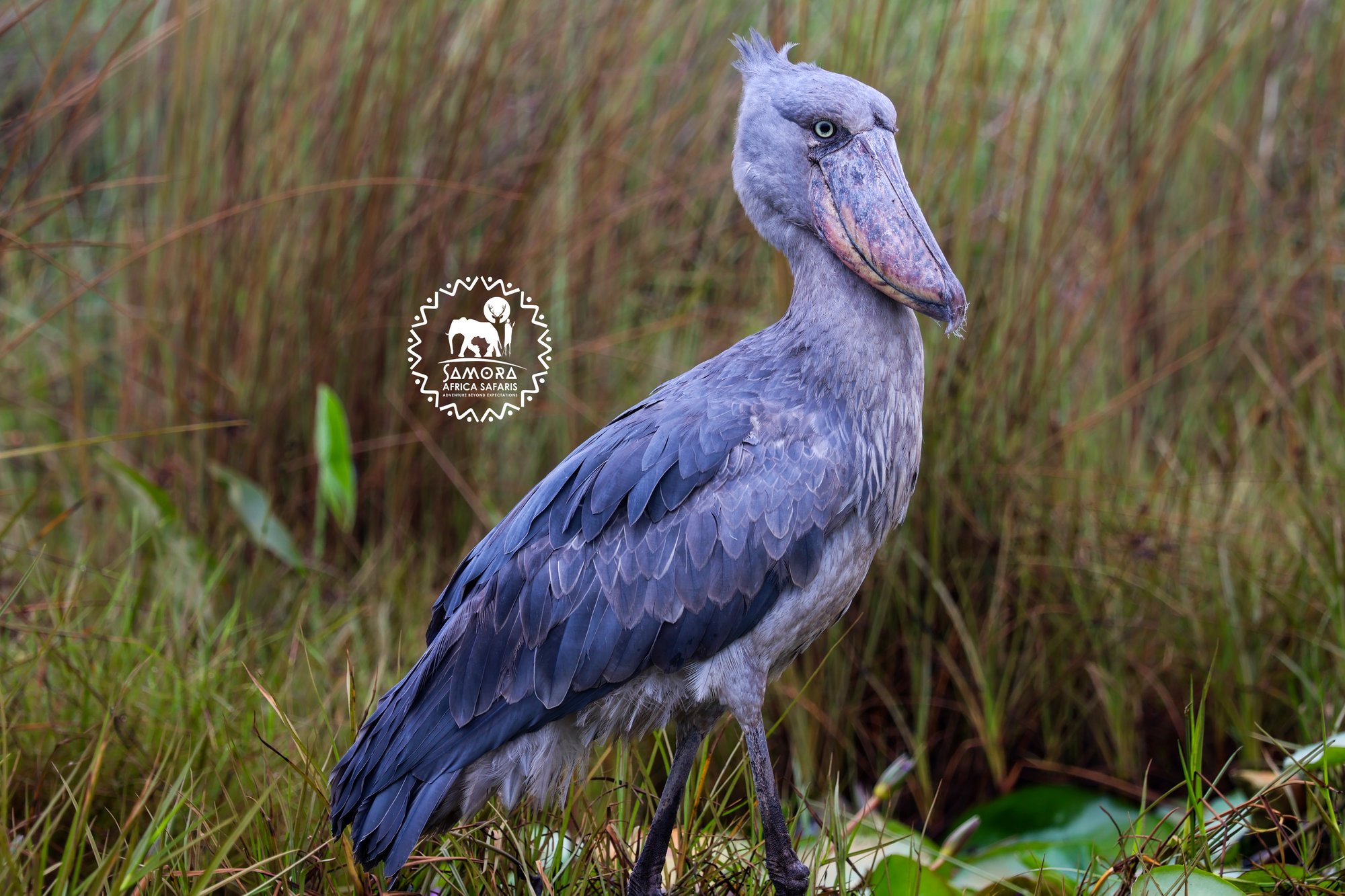
Uganda’s diverse ecosystems, from rainforests and wetlands to savannahs, offer excellent birdwatching opportunities, with species such as the Shoebill and Albertine Rift endemics.
Why Uganda is a Top Birding Destination in Africa
Discover why Uganda is a top birding destination in Africa, with diverse ecosystems, a wide variety of bird species, and rich biodiversity.
Diverse Birding Habitats Across Uganda
Uganda’s exceptional birdlife thrives across a range of habitats, including tropical rainforests, savannahs, wetlands, mountains, semi-arid areas, and Afro-alpine zones.
This habitat diversity supports a remarkable range of bird species across the country.
Rich Bird Species Diversity
From iconic species such as the Shoebill to forest and wetland birds, Uganda offers opportunities to discover distinctive birdlife.
Rare and Endemic Albertine Rift Birds
Uganda’s protected areas, including Bwindi Impenetrable National Park, Mgahinga Gorilla National Park, and Kibale National Park, provide important habitats for rare and endemic Albertine Rift bird species.
These biodiversity hotspots offer birdwatchers opportunities to encounter species found in only a few places worldwide.
Accessible Birding Experiences
Uganda’s birding destinations are relatively easy to access, allowing visitors to explore different habitats and observe a wide range of species on a single birding trip.
Top Birding Sites in Uganda
Discover key birding sites in Uganda, from rainforests and savannah parks to montane forests, wetlands, and lakes.
Birdwatching in Bwindi Impenetrable National Park
Bwindi Impenetrable National Park is one of Uganda’s important birdwatching destinations and a renowned biodiversity hotspot.
Its dense montane rainforest, rugged terrain, and varied elevations provide habitats for a remarkable diversity of forest birds, including numerous Albertine Rift endemics.
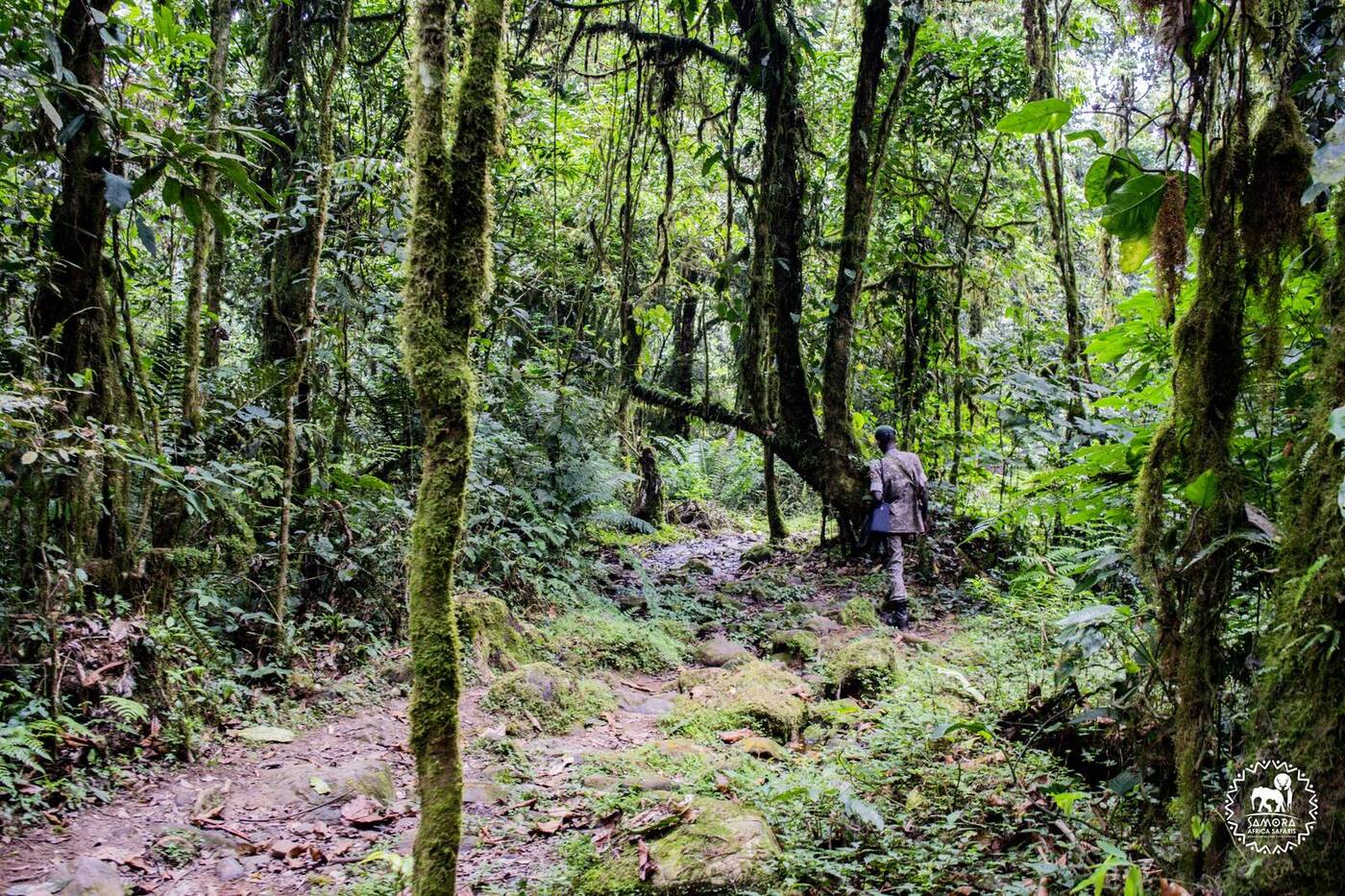
Birdwatching in Bwindi takes place along forest trails and gorilla trekking routes, where experienced guides help visitors identify birds through their calls, movements, and distinctive features.
Bird Species in Bwindi
Birdwatchers can encounter a variety of forest and wetland birds in Bwindi, including notable species such as:
Albertine Rift Endemics
- African Green Broadbill
- Shelley’s Crimsonwing
- Dusky Crimsonwing
- Rwenzori Turaco
Other Notable Birds
- Bar-tailed Trogon
- Red-throated Alethe
- Kivu Ground Thrush
Wetland and Swamp Birds
- Grauer’s Rush Warbler
- Grauer’s Swamp Warbler
Birdwatching in Kibale National Park
Kibale National Park is one of Uganda’s premier rainforest birdwatching destinations and an important site within the Albertine Rift region.
Birdwatching in Kibale takes place along forest trails, where visitors explore diverse canopy, understory, and forest floor habitats.
These diverse forest habitats support more than 375 recorded bird species, including:
- African Grey Parrot
- Great Blue Turaco
- Green-breasted Pitta
- African Green Broadbill
- Black Bee-eater
- White-casqued Hornbill
- Yellow-spotted Barbet
- Superb Sunbird
Birdwatching at Bigodi Wetland Sanctuary
Bigodi Wetland Sanctuary is a community-based birding site near Kibale National Park and one of Uganda’s notable birding destinations.
The sanctuary combines forest edges, swamp habitats, and papyrus wetlands, creating opportunities to observe both forest and wetland birds.
More than 200 bird species have been recorded at Bigodi, including Papyrus Gonolek, White-winged Warbler, African Pitta, and Great Blue Turaco.
The sanctuary offers a chance to experience the transition between rainforest and wetland habitats, complementing the Kibale birdwatching experience.
Birdwatching in Murchison Falls National Park
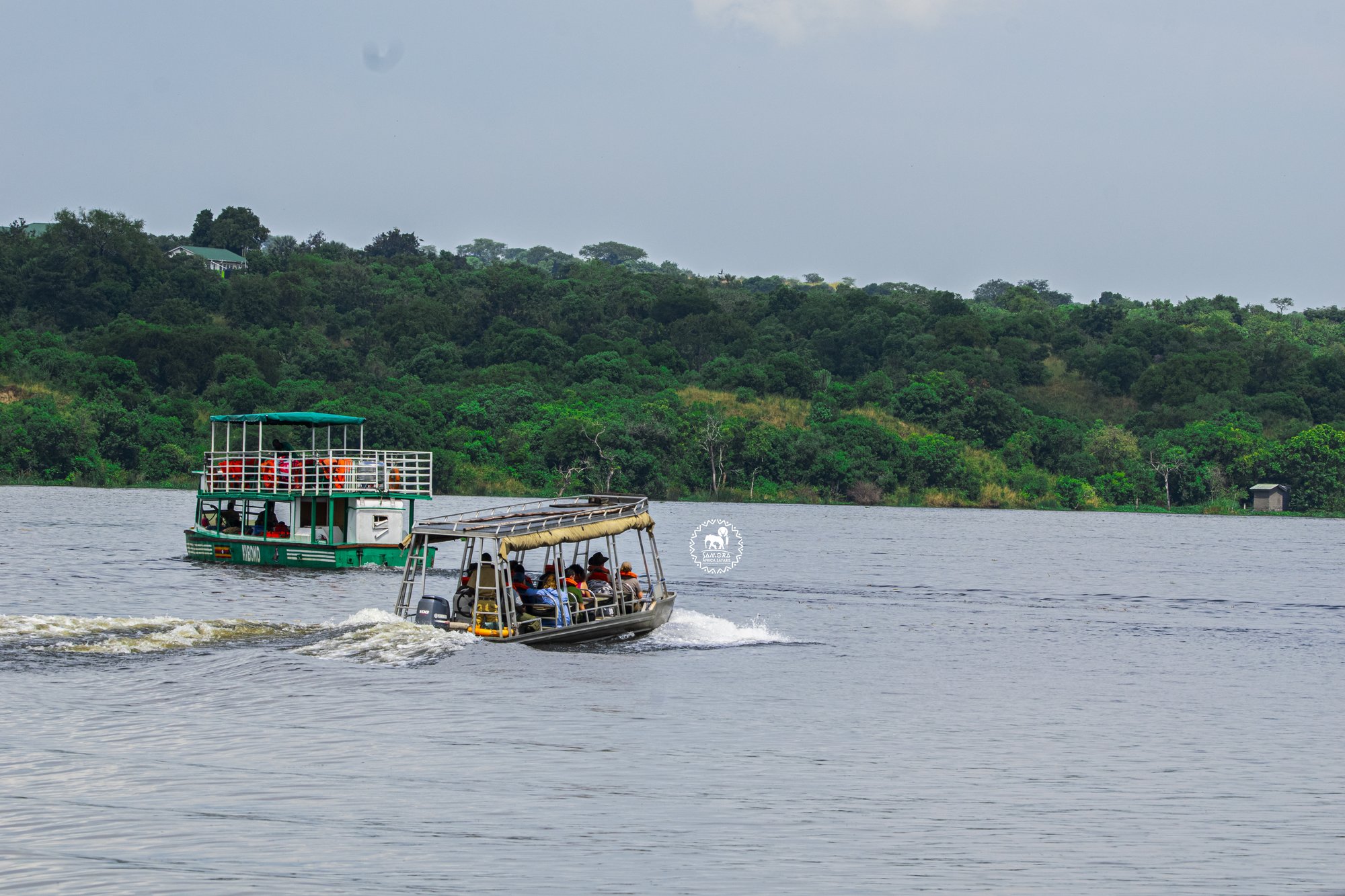
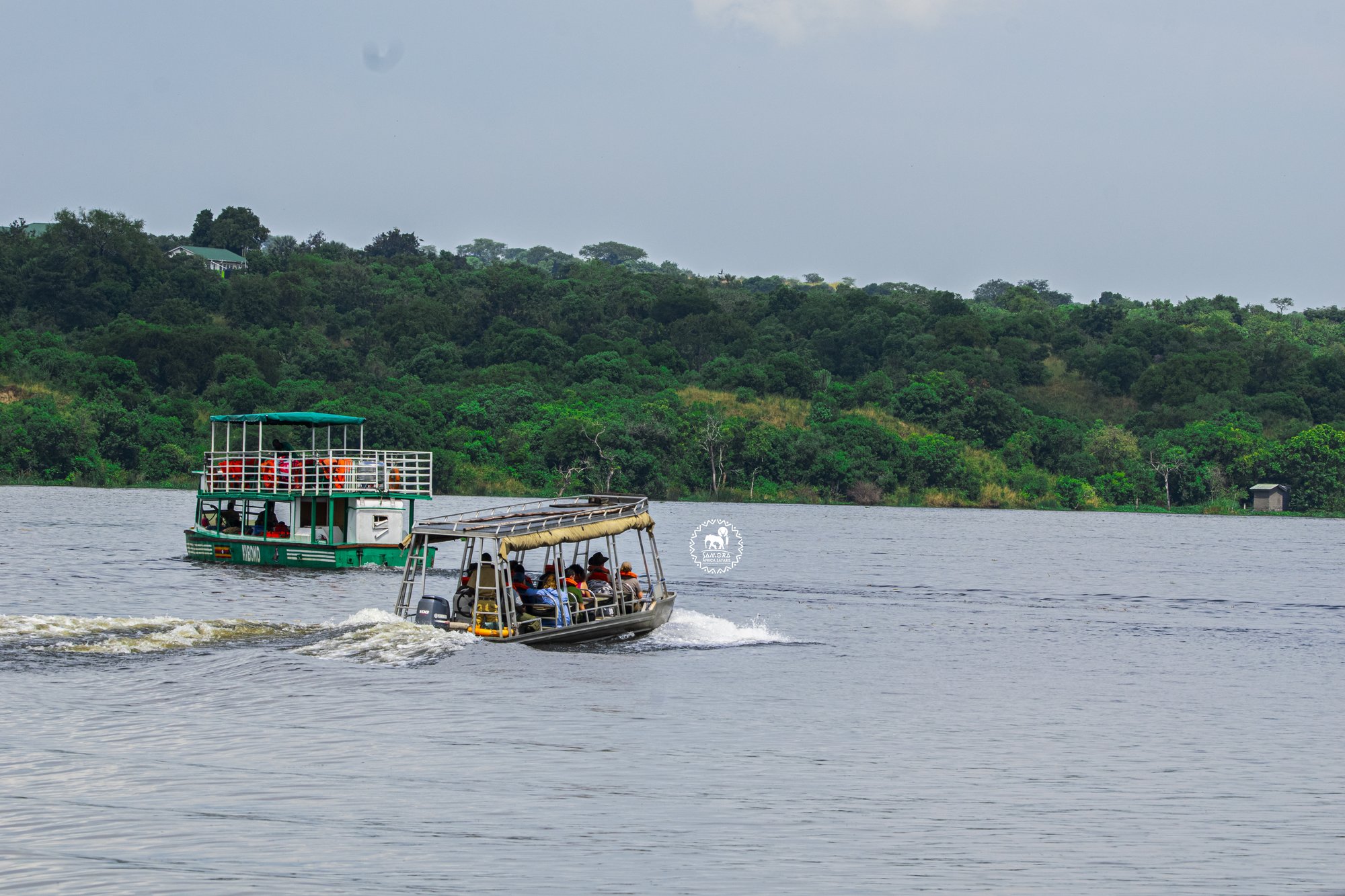
Murchison Falls National Park is one of Uganda’s premier birdwatching destinations, with diverse habitats shaped by the Nile River and surrounding savannahs.
Birdwatching takes place across savannahs, riverine forests, wetlands, and woodlands, which support more than 460 recorded bird species.
Visitors can encounter a wide range of species, including bee-eaters, kingfishers, African Fish Eagles, and other notable savannah and wetland birds.
Notable Bird Species
Forest and Woodland Birds
- African Pied Hornbill
- Grey Parrot
- White-crested Turaco
- African Paradise Flycatcher
Savannah Birds
- Abyssinian Ground Hornbill
- Secretary Bird
- Northern Carmine Bee-eater
- Bateleur
- Kori Bustard
Water and Wetland Birds
- Shoebill
- African Fish Eagle
- Goliath Heron
- Saddle-billed Stork
- African Skimmer
- Pied Kingfisher
Birdwatching in Kidepo Valley National Park
Kidepo Valley National Park is one of Uganda’s most remote and rewarding birdwatching destinations, with vast savannahs, rugged mountains, and semi-arid landscapes.
Birdwatching takes place across grasslands, dry savannahs, acacia woodlands, mountain foothills, and seasonal wetlands, which support more than 470 recorded bird species.
Kidepo’s location and diverse habitats provide opportunities to encounter East African and Sudan–Sahel species that are rarely found elsewhere in Uganda.
Notable Bird Species
Savannah and Open Plains Birds
- Ostrich
- Kori Bustard
- Abyssinian Ground Hornbill
- Secretary Bird
- Martial Eagle
- Bateleur
- Tawny Eagle
- Lappet-faced Vulture
Woodland and Montane Birds
- Black-breasted Barbet
- Clapperton’s Francolin
- Violet Woodhoopoe
- Eastern Violet-backed Sunbird
- Northern Carmine Bee-eater
- Red-throated Bee-eater
- White-headed Buffalo Weaver
Seasonal Wetland Birds
- Egyptian Goose
- African Jacana
- Hamerkop
- Pied Kingfisher
- Malachite Kingfisher
- Herons and Egrets
Birdwatching in Queen Elizabeth National Park
Queen Elizabeth National Park is one of Uganda’s premier birdwatching destinations, with diverse habitats ranging from savannah plains and wetlands to forests and crater lakes.
Birdwatching takes place across these ecosystems, which support more than 600 recorded bird species within the Albertine Rift region.
Visitors can encounter a wide range of species, from savannah specialists and forest birds to waterbirds along the Kazinga Channel.
Notable Bird Species
Savannah and Open Grassland Birds
- African Crake
- Black-bellied Bustard
- Martial Eagle
- Bateleur
- Secretary Bird
- Bee-eaters
- Rollers
Forest and Woodland Birds
- African Emerald Cuckoo
- White-tailed Ant-Thrush
- Blue-throated Roller
- Turacos
- Hornbills
Water and Wetland Birds
- African Skimmer
- Pied Kingfisher
- Malachite Kingfisher
- African Fish Eagle
- Great White Pelican
- Pink-backed Pelican
- Saddle-billed Stork
- Herons
- Egrets
- Cormorants
Crater Lake and Seasonal Birds
- Flamingos
- Ducks
Birdwatching in Lake Mburo National Park
Lake Mburo National Park is one of Uganda’s notable birdwatching destinations, with diverse habitats shaped by the western arm of the East African Rift Valley.
Birdwatching takes place across wetlands, acacia woodlands, open savannahs, lake shores, and papyrus swamps, which support more than 350 recorded bird species.
Birding in the park offers opportunities to encounter waterbirds, woodland species, grassland birds, and raptors, especially during the early morning and late afternoon.
Notable Bird Species
Wetland and Lake-Edge Birds
- African Fish Eagle
- Pied Kingfisher
- Malachite Kingfisher
- African Jacana
- Squacco Heron
- Great White Egret
- Black-headed Heron
Papyrus Wetland Birds
- Papyrus Gonolek
Woodland Birds
- Bare-faced Go-away-bird
- Green Woodhoopoe
- Red-faced Barbet
- African Grey Hornbill
- White-winged Tit
- Common Bulbul
- Bronze Sunbird
Savannah and Grassland Birds
- Lilac-breasted Roller
- Grey Crowned Crane
- Crested Francolin
- Rufous-naped Lark
- Pin-tailed Whydah
Raptors and Birds of Prey
- Bateleur
- Tawny Eagle
- African Harrier-Hawk
- Martial Eagle
- Augur Buzzard
Birdwatching at Mabamba Swamp
Mabamba Swamp, also known as the Mabamba Bay Wetland System, is a premier birdwatching destination on Lake Victoria’s northern shores, west of Entebbe.
The Ramsar-listed wetland is renowned for Shoebill sightings, while its papyrus channels support diverse wetland birdlife.
Birding takes place by canoe with experienced local guides, with early morning trips offering excellent opportunities to explore the wetland and observe birds.
Notable Bird Species
Waterbirds and Waders
- African Jacana
- Pied Kingfisher
- Malachite Kingfisher
- Purple Heron
- Squacco Heron
- Great Egret
- Little Bittern
Raptors and Waterfowl
- African Fish Eagle
- African Marsh Harrier
- Yellow-billed Duck
- White-faced Whistling Duck
Papyrus and Wetland-Edge Birds
- Shoebill
- Papyrus Gonolek
- Blue-breasted Bee-eater
Mabamba also attracts migratory birds at different times of the year, further enhancing its importance as a birding destination.
What to Pack for a Uganda Birdwatching Safari
Preparing the right gear helps ensure a comfortable birdwatching experience across Uganda’s wetlands, rainforests, savannahs, and changing weather conditions.
Binoculars (8×42 Recommended)
Binoculars are essential for birdwatching, providing clear views of distant raptors, forest birds, and fast-moving species across different habitats.
Carry earth-toned or neutral-coloured long-sleeved shirts, tops, and trousers to protect against:
- Sun exposure
- Insects
- Prickly vegetation
Neutral colours help you blend into the surroundings and reduce disturbance to birds.
Lightweight Rain Protection Gear
A lightweight rain jacket is recommended, especially when exploring forested areas where sudden rainfall can occur.
Hiking Boots
Sturdy hiking boots provide comfort, traction, and ankle support on forest trails and wetland paths, which can become muddy or slippery after rain.
Insect Repellent
Pack insect repellent to help protect against mosquitoes and other biting insects commonly found in forest and wetland environments.
Waterproof Rain Covers
Waterproof backpack covers help protect essential equipment, including cameras, phones, and binoculars, during unexpected rainfall.
Camera or High-Resolution Smartphone
A camera with a good zoom lens allows visitors to capture detailed images of birds and memorable wildlife encounters.
A high-resolution smartphone can also serve as a practical alternative for recording sightings during a birdwatching safari.