Bwindi Impenetrable National Park
Uganda Southwestern Uganda
Bwindi Impenetrable National Park, Uganda
Bwindi Impenetrable National Park is located in southwestern Uganda, along the edge of the Albertine Rift Valley near the border with the Democratic Republic of the Congo and Virunga National Park.
It covers approximately 332 square kilometres, with elevations ranging from 1,160 to 2,600 metres above sea level, and protects one of Africa’s oldest and most biologically important tropical rainforests.
Recognised as a UNESCO World Heritage Site in 1994, Bwindi is globally valued for its unique ecosystems, exceptional species diversity, and outstanding conservation importance.
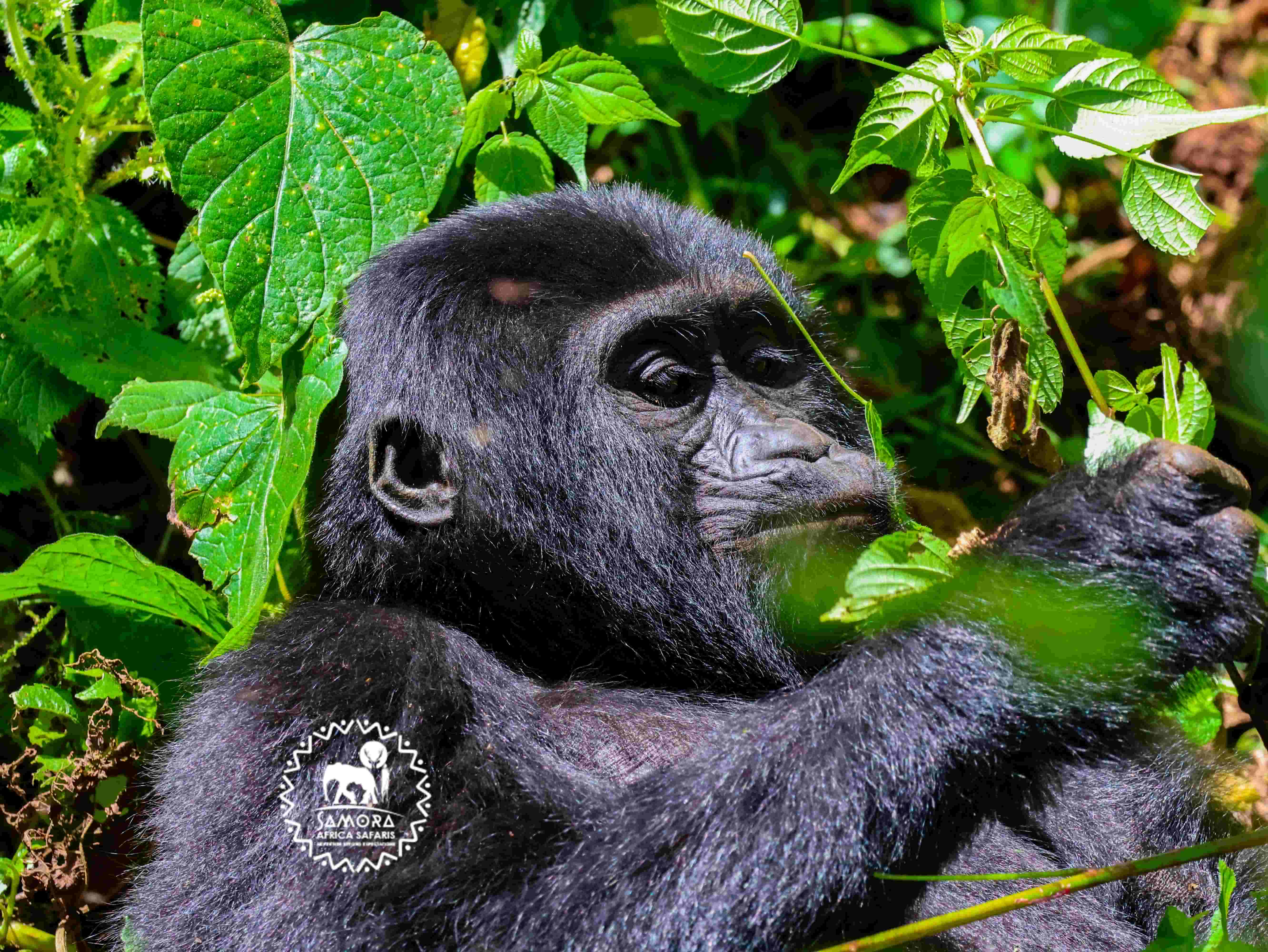
The park is best known as home to nearly half of the world’s remaining mountain gorillas, making it one of the world’s leading destinations for gorilla trekking and primate conservation.
Why Visit Bwindi Impenetrable National Park
Bwindi Impenetrable National Park offers extraordinary rainforest experiences, rare wildlife encounters, spectacular scenery, and meaningful cultural interactions.
Its combination of endangered species, ancient forests, and unique landscapes makes it one of Uganda’s most remarkable destinations for nature and wildlife enthusiasts.
Home to Almost Half of the World’s Mountain Gorillas
Bwindi protects a significant population of endangered mountain gorillas, offering visitors the opportunity to observe these remarkable primates in their natural forest environment.
UNESCO World Heritage Site
The park’s global recognition reflects its exceptional ecological value, unique habitats, and importance in conserving threatened species.
Ancient Tropical Rainforest
Bwindi’s centuries-old forest features dense vegetation, towering trees, and a complex ecosystem that supports remarkable plant and animal diversity.
Exceptional Wildlife Diversity
Beyond gorillas, the park is home to various mammals, primates, reptiles, and other species adapted to its forest environment.
Rich Birdlife
With more than 350 bird species, including several Albertine Rift endemics, Bwindi is one of Uganda’s premier birdwatching destinations.
Unique Forest Landscapes
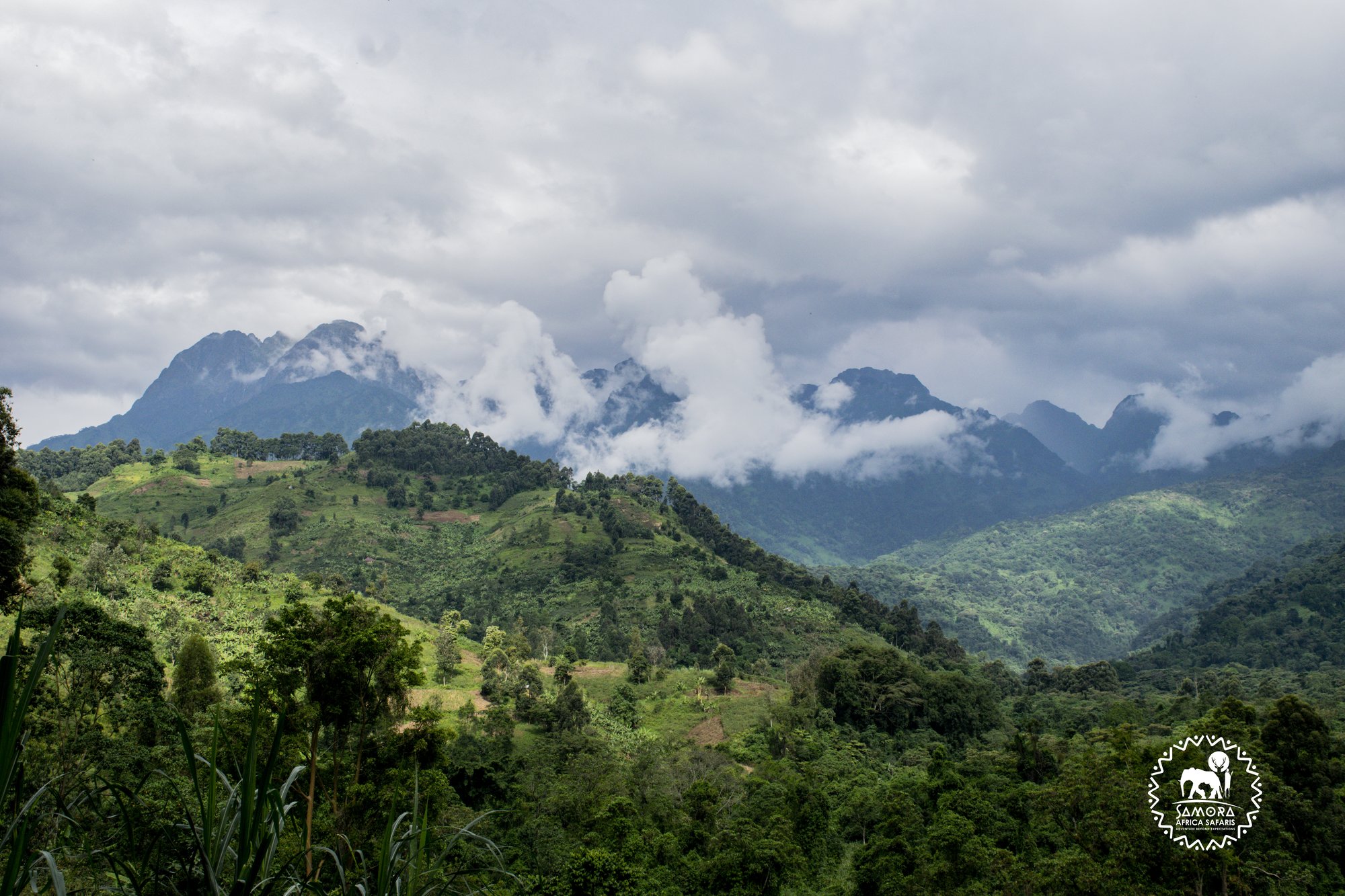
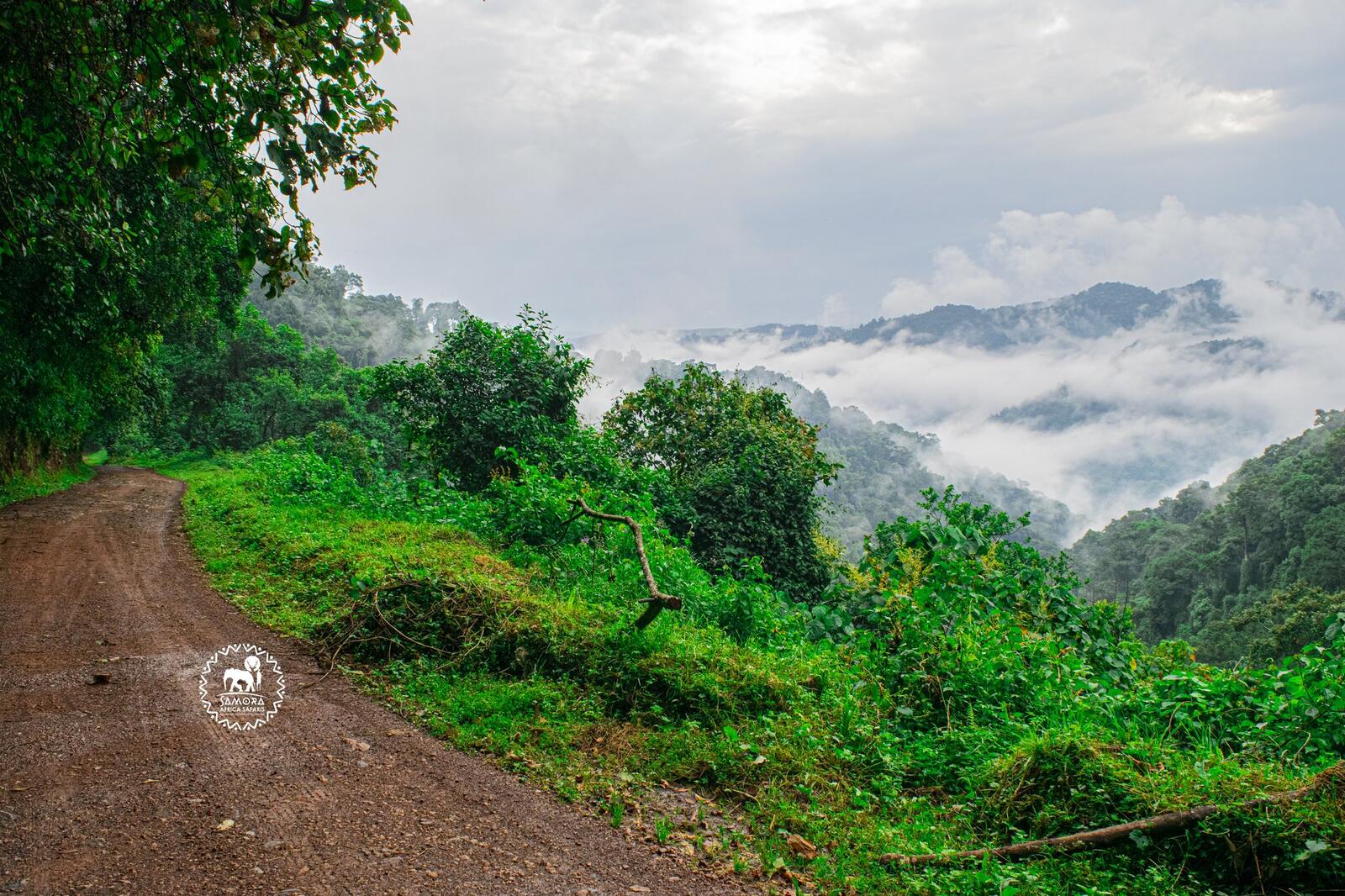
Mist-covered hills, valleys, forest trails, and lush vegetation create a scenic environment unlike any other in Uganda.
Batwa Cultural Experiences
Visitors can learn about the traditions, history, and forest connection of the Batwa people, one of the region’s indigenous communities.
Wildlife in Bwindi Impenetrable National Park
Bwindi Impenetrable National Park protects a wide variety of wildlife within its ancient rainforest ecosystem.
Although the park is internationally recognised for mountain gorillas, its forests also shelter numerous mammals, primates, reptiles, and bird species, including several species found only within the Albertine Rift region.
Mountain Gorillas
Bwindi is home to one of the largest populations of mountain gorillas in the world, making it one of the most important conservation areas for this endangered species.
These gorillas live in family groups led by dominant silverbacks and can be encountered through carefully managed gorilla trekking and habituation experiences.
The opportunity to observe mountain gorillas in their natural forest surroundings is the park’s most iconic wildlife experience.
Other Mammals and Primates
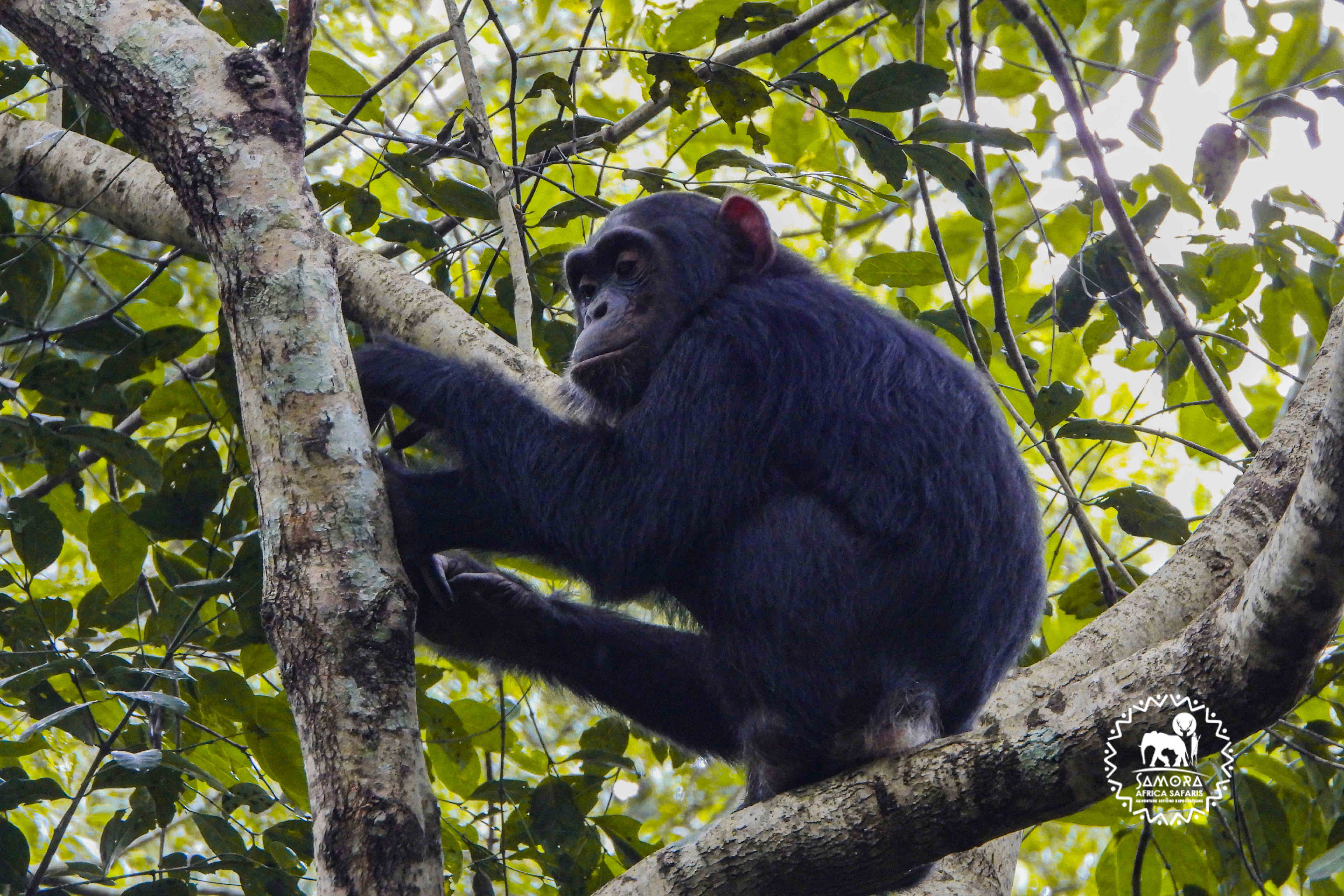
In addition to mountain gorillas, Bwindi supports a variety of mammals and primates that contribute to the forest’s ecological richness, including:
- Forest elephants
- L’Hoest’s monkeys
- Giant forest hogs
- Black-and-white colobus monkeys
- Bushbucks
- Red-tailed monkeys
- Duikers
- Blue monkeys
- Olive baboons
These species highlight the importance of conserving Bwindi’s complex rainforest ecosystem.
Birdlife
Bwindi is one of Uganda’s leading birdwatching destinations, with more than 350 bird species recorded within its forests.
The park is especially important for Albertine Rift endemics, making it a rewarding destination for bird enthusiasts.
Notable species include:
- African green broadbill
- Great blue turaco
- Regal sunbird
- Black bee-eater
- Mountain masked apalis
Bwindi’s Landscapes and Ecosystems
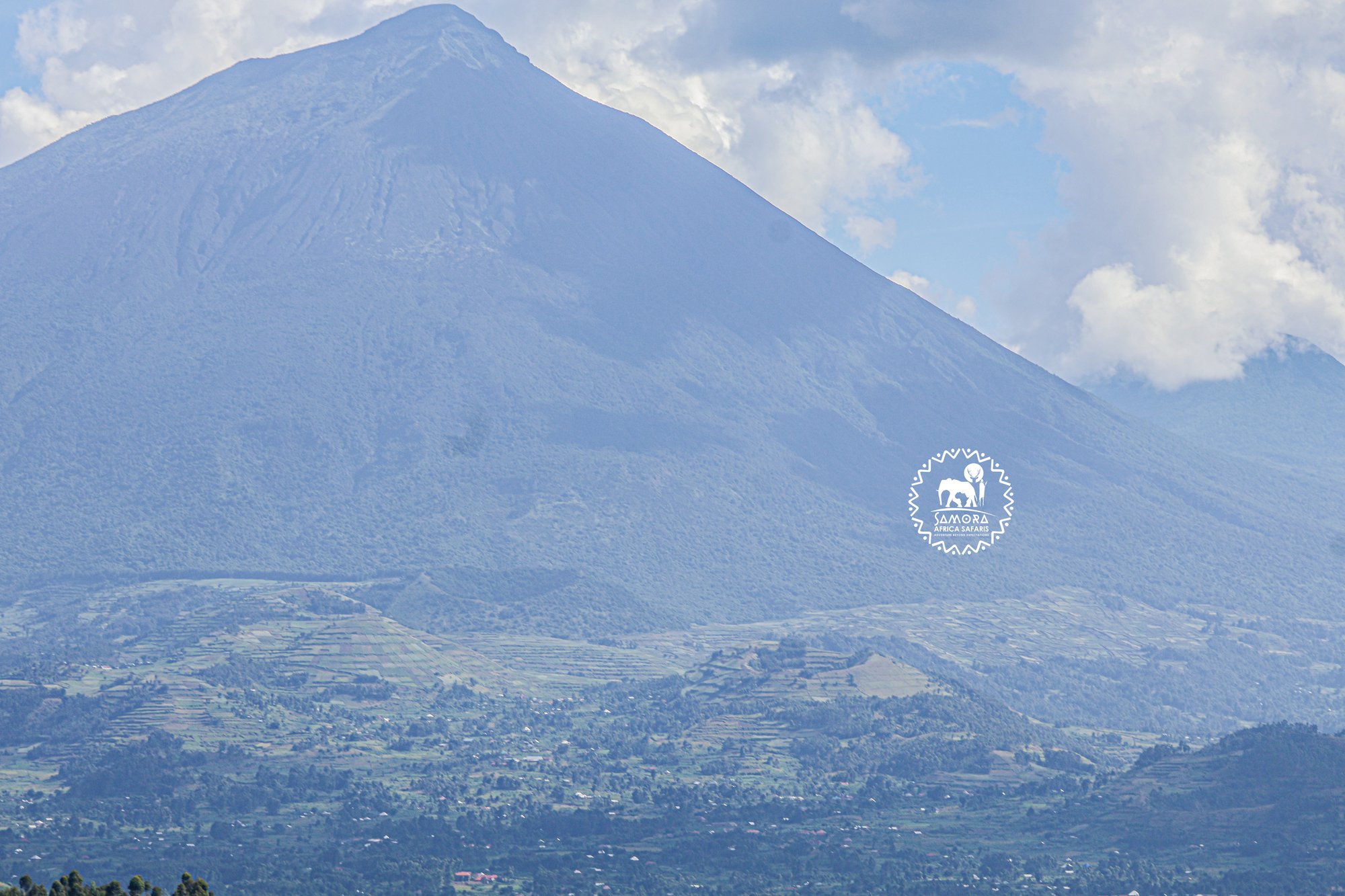
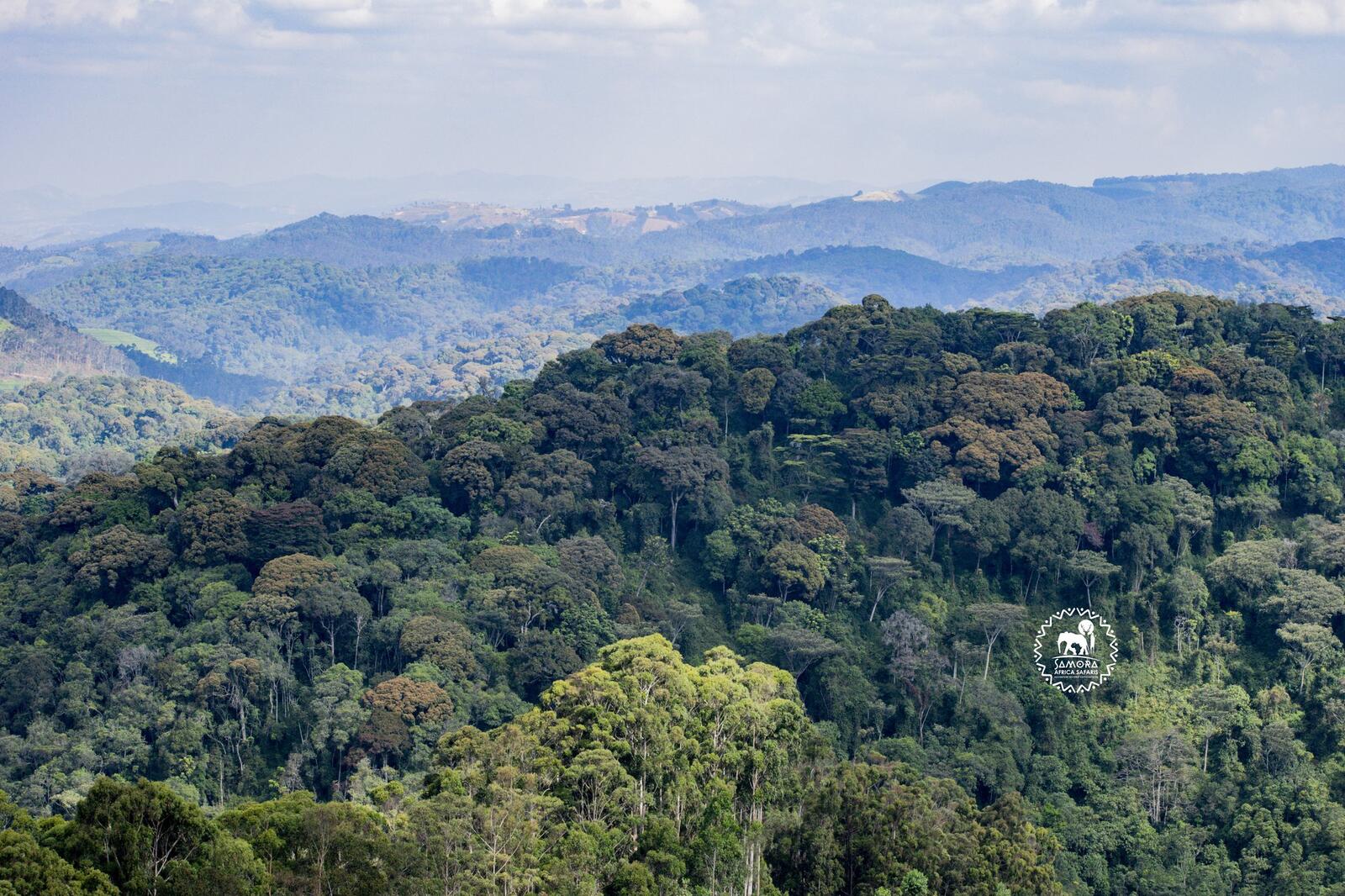
Bwindi Impenetrable National Park is characterised by a diverse range of landscapes shaped by its mountainous terrain, high elevations, and ancient rainforest.
These interconnected ecosystems support exceptional biodiversity while creating one of Uganda's most scenic natural environments.
Tropical Rainforest
The tropical rainforest is the park's dominant ecosystem, covering much of Bwindi with dense vegetation and towering indigenous trees.
This ancient forest provides vital habitat for mountain gorillas, numerous mammals, birds, and an extraordinary variety of plant species.
Key highlights:
- Dense rainforest with ancient trees and thick vegetation.
- Supports mountain gorillas and a wide range of wildlife.
- Home to diverse plant species that thrive in a moist forest environment.
Bamboo Forest
Bamboo forests occur mainly at higher elevations, forming an important part of Bwindi's montane ecosystem.
These areas provide food and shelter for mountain gorillas and other wildlife while contributing to the park's botanical diversity.
Key highlights:
- Found in the park's higher-altitude zones.
- Provides habitat for mountain gorillas and other forest species.
- Adds variety to Bwindi's vegetation and ecosystems.
Montane Forest
Montane forests cover the park’s higher slopes, where cool temperatures and mist create unique conditions for specialised plants and wildlife adapted to mountain environments.
Key highlights:
- Characterised by cool, mist-covered forests.
- Supports diverse wildlife and plant communities.
- Contributes to the park's rich ecological diversity.
River Valleys
River valleys wind through the forest, creating fertile habitats that support wildlife and enrich Bwindi’s rainforest ecosystems.
River valleys wind through the forest, creating fertile habitats that support wildlife and enrich Bwindi’s rainforest ecosystems.
Key highlights:
- Formed by rivers and forest streams.
- Support lush vegetation and diverse wildlife.
- Enhance the park's scenic landscapes.
Waterfalls
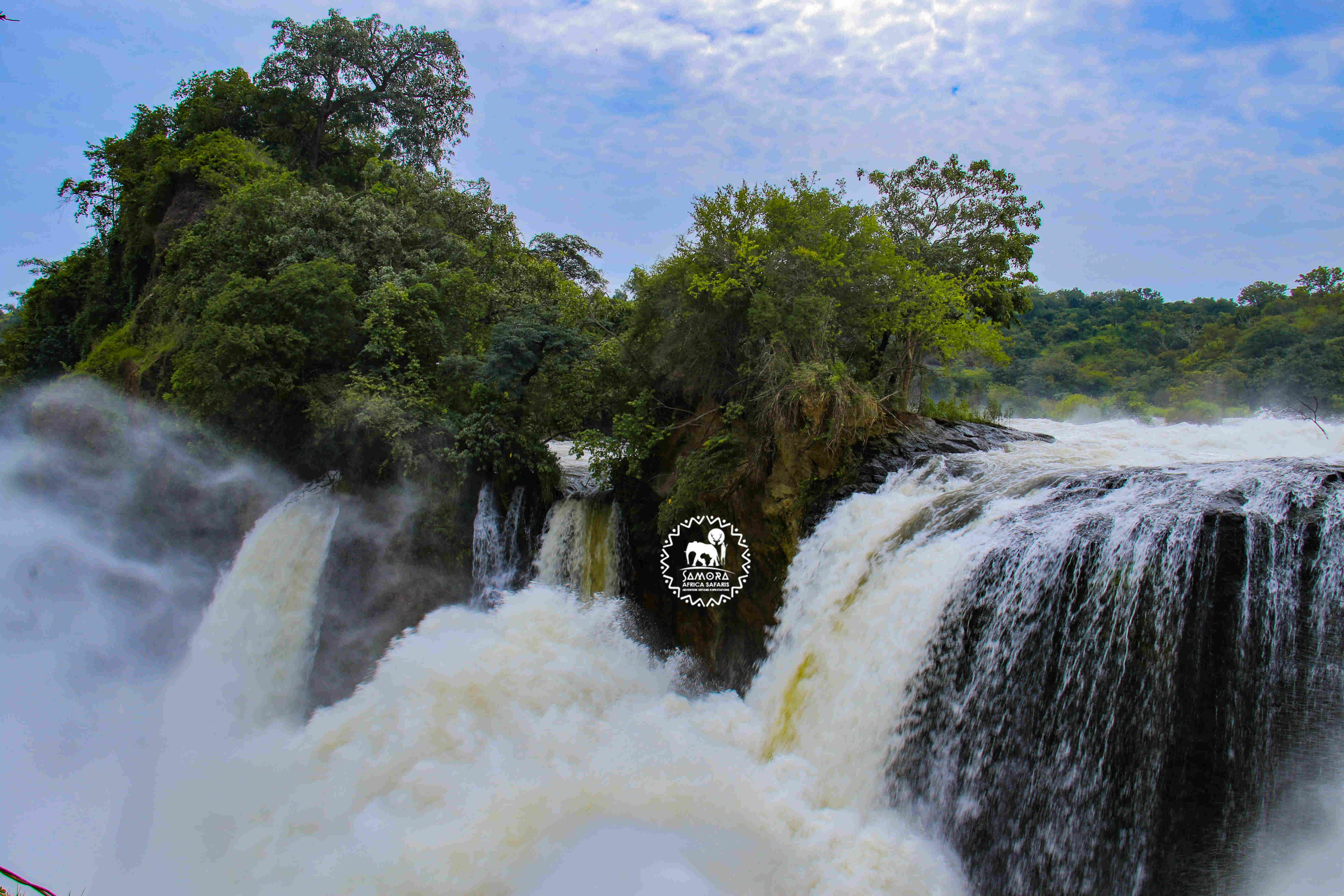
Hidden waterfalls are scattered throughout the forest, where streams descend through the rugged terrain. These natural features offer scenic viewpoints for visitors exploring the park on guided nature walks.
Key highlights:
- Formed by forest streams flowing over rocky terrain.
- Create attractive natural viewpoints.
- Add to the park's scenic appeal.
Forest Streams
Numerous clear streams flow through the rainforest, supplying water to wildlife and helping maintain the health of the forest ecosystem.
Key highlights:
- Provide year-round water for wildlife.
- Support healthy rainforest ecosystems.
- Contribute to the park's ecological balance.
Activities & Experiences in Bwindi Impenetrable National Park
Bwindi Impenetrable National Park offers diverse experiences, from exploring its rainforest and wildlife to connecting with local communities within this important conservation area.
Gorilla Trekking
Join experienced guides on a rainforest trek to observe mountain gorillas in their natural habitat, creating one of the world’s most unforgettable wildlife encounters.
Gorilla Habituation Experience
Spend extended time with a semi-habituated gorilla family alongside researchers, gaining insight into gorilla behaviour and conservation.
Birdwatching
Explore the forest in search of more than 350 bird species, including several Albertine Rift endemics that make Bwindi a leading birdwatching destination.
Nature Walks
Discover the rainforest on guided walks that reveal its rich plant life, wildlife, waterfalls, and scenic forest trails.
Batwa Cultural Experiences
Learn about the traditions, history, and forest knowledge of the Batwa people through guided cultural experiences and storytelling.
Community Visits
Visit neighbouring communities to experience local lifestyles, traditional crafts, music, dance, and community-based tourism initiatives.
Climate and Best Time to Visit
Bwindi Impenetrable National Park experiences a tropical rainforest climate influenced by its high elevation. Temperatures remain relatively cool throughout the year, while regular rainfall keeps the forest lush and green.
Average daytime temperatures generally range between 20–25°C (68–77°F), while nighttime temperatures typically fall between 10–15°C (50–59°F), especially in higher elevations.
The park has two relatively drier seasons and two wetter seasons, each offering different experiences.
Dry Seasons (June to August & December to February)
The drier months provide more favourable conditions for gorilla trekking and forest walks.
Trails are generally less muddy, making hiking more comfortable, although occasional rainfall can still occur due to the rainforest climate.
Average temperatures:
- Daytime: 20–25°C (68–77°F)
- Nighttime: 10–15°C (50–59°F)
Wet Seasons (March to May & September to November)
The wetter months bring heavier rainfall, resulting in lush vegetation and vibrant forest scenery.
These seasons are particularly rewarding for birdwatching, photography, and visitors seeking a quieter experience. Forest trails can become steeper and more challenging because of muddy conditions.
Average temperatures:
- Daytime: 20–24°C (68–75°F)
- Nighttime: 11–15°C (52–59°F)
Year-Round Travel Considerations
Bwindi Impenetrable National Park is open throughout the year. The drier seasons are preferred for gorilla trekking due to better trail conditions.
The wetter months offer lush landscapes, excellent birdwatching, and fewer visitors.
Accommodation in Bwindi Impenetrable National Park
Bwindi Impenetrable National Park offers accommodation options to suit a variety of travel styles, comfort preferences, and budgets.
Visitors can choose from luxury lodges, mid-range accommodation, budget-friendly stays, and camps located near the park's main gorilla trekking sectors.
Accommodation is available around Buhoma, Ruhija, Rushaga, and Nkuringo, providing convenient access to gorilla trekking, guided forest activities, and surrounding communities.
Luxury Lodges
Luxury lodges provide premium comfort, personalised service, and scenic forest settings for travellers seeking a high-end safari experience.
Many feature spacious cottages, excellent dining, and panoramic views of the surrounding rainforest.
Mid-Range Lodges
Mid-range lodges combine comfort, quality facilities, and good value while offering convenient access to gorilla trekking activities.
These properties are well suited to travellers seeking a balance between affordability and comfort.
Budget Accommodation
Budget accommodation offers practical and affordable stays with essential facilities for visitors planning gorilla trekking and other forest activities.
These properties provide comfortable bases without compromising access to the park.
Camping Options
Camping offers a closer connection to Bwindi's rainforest environment for travellers seeking a more immersive outdoor experience. Options range from basic campsites to fully serviced tented camps with essential amenities.