Community Visits
Cultural Easy 2-3 hours
Community Visits in Uganda | Immersive Cultural Experiences
Community visits in Uganda are immersive cultural experiences that connect travelers with local communities, traditions, cultures, and ways of life.
They offer an opportunity to engage with local people and gain insight into the rich cultural heritage that shapes Uganda.
Cultural Diversity and Heritage of Uganda
Uganda is one of Africa’s leading cultural tourism destinations, home to a rich diversity of ethnic communities spread across different regions of the country.
Each community has distinct traditions, languages, customs, and social systems passed down through generations.
This cultural diversity allows travelers to experience authentic African lifestyles through immersive community visits near Uganda’s national parks and conservation areas.
Authentic Cultural Experiences in Uganda
Guided community visits allow visitors to interact directly with local people, explore traditional homesteads, and participate in aspects of everyday rural life.
These encounters provide insight into local customs, cultural practices, and traditional ways of life.
Community-Based Tourism and Sustainable Travel
Community-based tourism in Uganda helps preserve cultural heritage while creating sustainable livelihood opportunities for local people.
It supports responsible travel, empowers communities to protect their traditions, and fosters cultural exchange between visitors and host communities.
Community visits can also be incorporated into wildlife safaris across Uganda, combining wildlife encounters with authentic cultural experiences.
Activities During Community Visits
Community visits offer opportunities to engage with local communities and experience traditional ways of life.
Activities may include:
- Traditional storytelling
- Cultural dance performances
- Cattle-keeping demonstrations
- Farming experiences
- Craft-making sessions
- Food preparation activities
- Guided village walks
These activities provide direct interaction with local communities and insight into their daily lives and traditions.
Cultural Experiences Near Uganda’s Safari Destinations
Cultural experiences are available near some of Uganda’s most iconic safari destinations, offering opportunities to connect with local communities and traditions.
These include:
- Batwa community visits around Bwindi Impenetrable National Park and Mgahinga Gorilla National Park.
- Bahima pastoralist experiences around Lake Mburo National Park.
- Karamojong cultural visits near Kidepo Valley National Park.
- Batooro community experiences in the Kibale Forest region.
Batwa Cultural Experience
The Batwa are one of the oldest indigenous forest-dwelling communities in the Virunga Mountains, spanning Rwanda, the Democratic Republic of Congo, and southwestern Uganda.
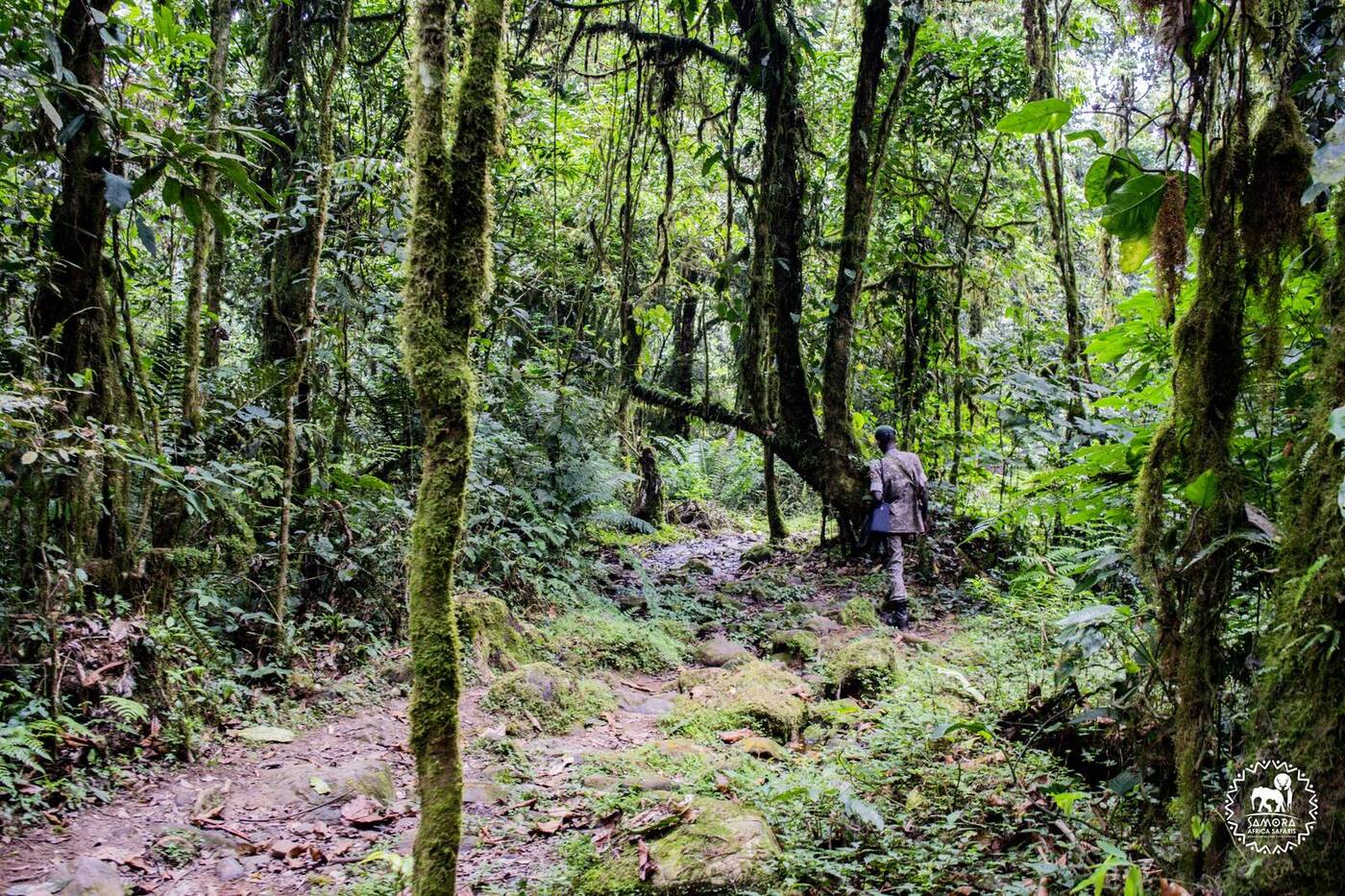
In Uganda, the Batwa are closely associated with Bwindi Impenetrable and Mgahinga Gorilla National Parks, where they traditionally lived in the rainforest.
For generations, the Batwa relied on hunting and wild food gathering, with traditions rooted in a deep cultural and spiritual connection to their environment.
A visit to the Batwa community near Bwindi or Mgahinga provides insight into their ancestral heritage and traditional way of life.
Visitors can experience traditional hunting and gathering techniques, fire-making demonstrations, cultural dances, and storytelling.
These experiences help preserve Batwa cultural heritage while creating meaningful connections between travelers and the community.
Karamojong Cultural Experience
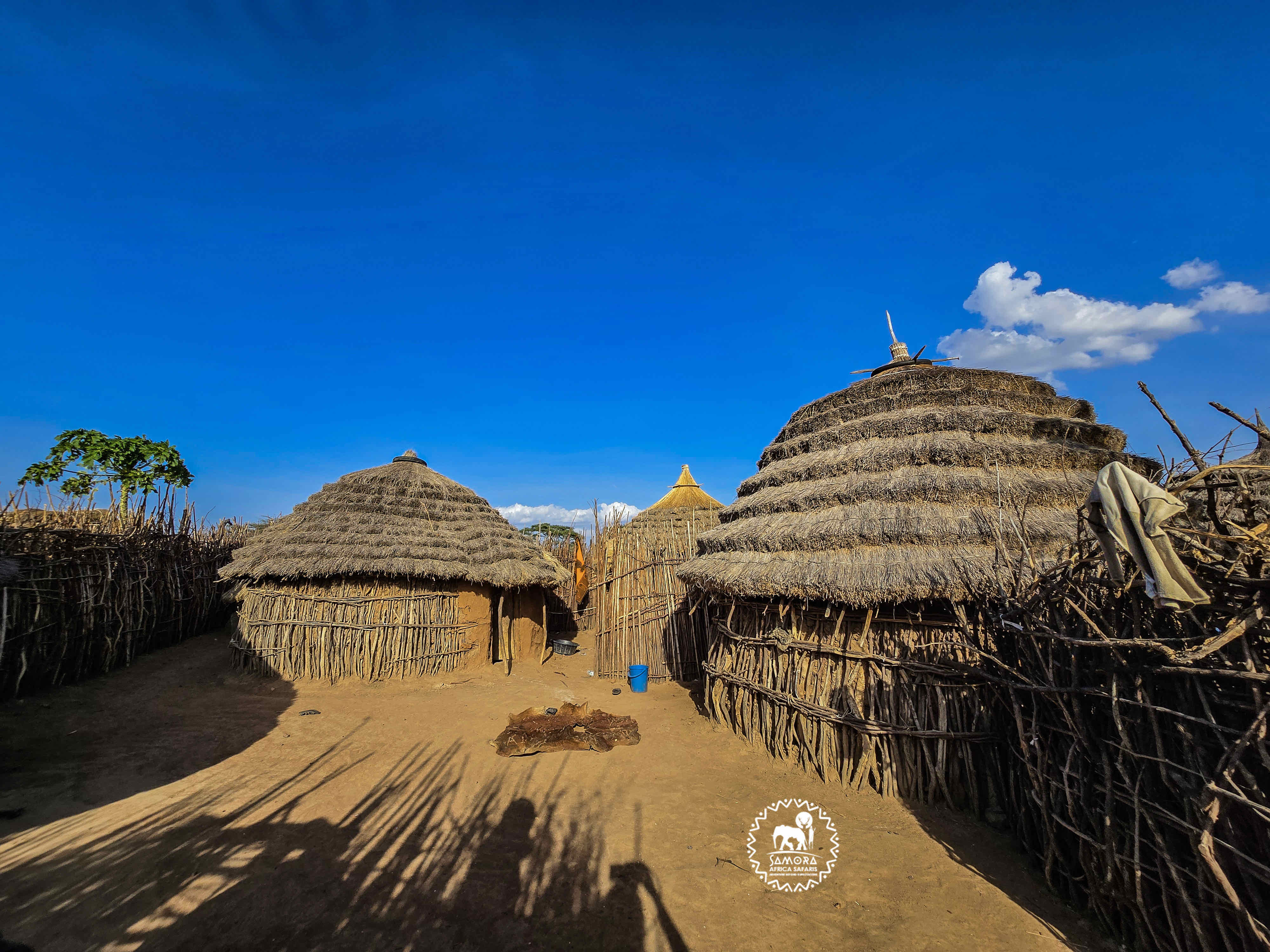
The Karamojong are a semi-nomadic pastoral community living in the Karamoja region of north-eastern Uganda, near Kidepo Valley National Park.
Cattle play a central role in Karamojong life, serving as a source of livelihood and a symbol of wealth, social status, and cultural identity.
They live in communal manyattas, where extended families share responsibilities and maintain strong social bonds. Their attire, ornaments, and ceremonies reflect their cultural identity.
A visit to the Karamojong community near Kidepo Valley National Park provides insight into their pastoral lifestyle, customs, and daily life.
Visitors can explore a manyatta, interact with elders, learn about cattle keeping, and observe traditional dress and cultural activities.
The experience offers meaningful interaction with the community while supporting community-based tourism in the Karamoja region.
Combined with a safari in Kidepo Valley National Park, a Karamojong cultural visit enriches wildlife viewing with cultural experiences.
Batooro Cultural Experience in Bigodi
The Batooro are part of the Bantu ethnic group and are the indigenous people of the Toro Kingdom in western Uganda.
Many Batooro communities live around Bigodi near Kibale Forest National Park, where traditional customs continue alongside modern ways of life.
Their rich heritage, warm hospitality, and connection to the land are an important part of the region’s cultural identity.
A Batooro community visit near Bigodi offers an opportunity to learn about local customs and livelihoods.
Through guided community walks, visitors can observe village life, learn traditional brewing, explore small-scale farming, and visit local plantations.
Combined with chimpanzee tracking and nature experiences in Kibale Forest National Park, a Batooro cultural visit adds a cultural dimension to a safari.
The experience also supports community-based tourism and sustainable development in the region.
Bahima Cultural Experience Around Lake Mburo
The Bahima are a traditional pastoralist community living in western Uganda, particularly around Lake Mburo National Park.
They are part of the wider Ankole cultural group and are closely associated with cattle keeping, which plays an important role in their social, economic, and cultural life.
Cattle are a symbol of wealth, status, and identity, while pastoral practices shape many aspects of daily life.
A Bahima community visit near Lake Mburo National Park allows visitors to experience the traditional pastoral way of life and connect with local families.
Visitors can explore local homesteads, observe traditional cattle-keeping practices, learn about milk processing, and interact with families.
Combined with a safari in Lake Mburo National Park, a Bahima cultural experience adds a meaningful cultural dimension to wildlife viewing.
The visit also supports community-based tourism and sustainable livelihoods in the region.