Mgahinga Gorilla National Park
Uganda Southwestern Uganda, Kisoro
Mgahinga Gorilla National Park, Uganda
Mgahinga Gorilla National Park is located in southwestern Uganda and is the country’s smallest national park, covering 33.9 square kilometres of remarkable mountain ecosystems.
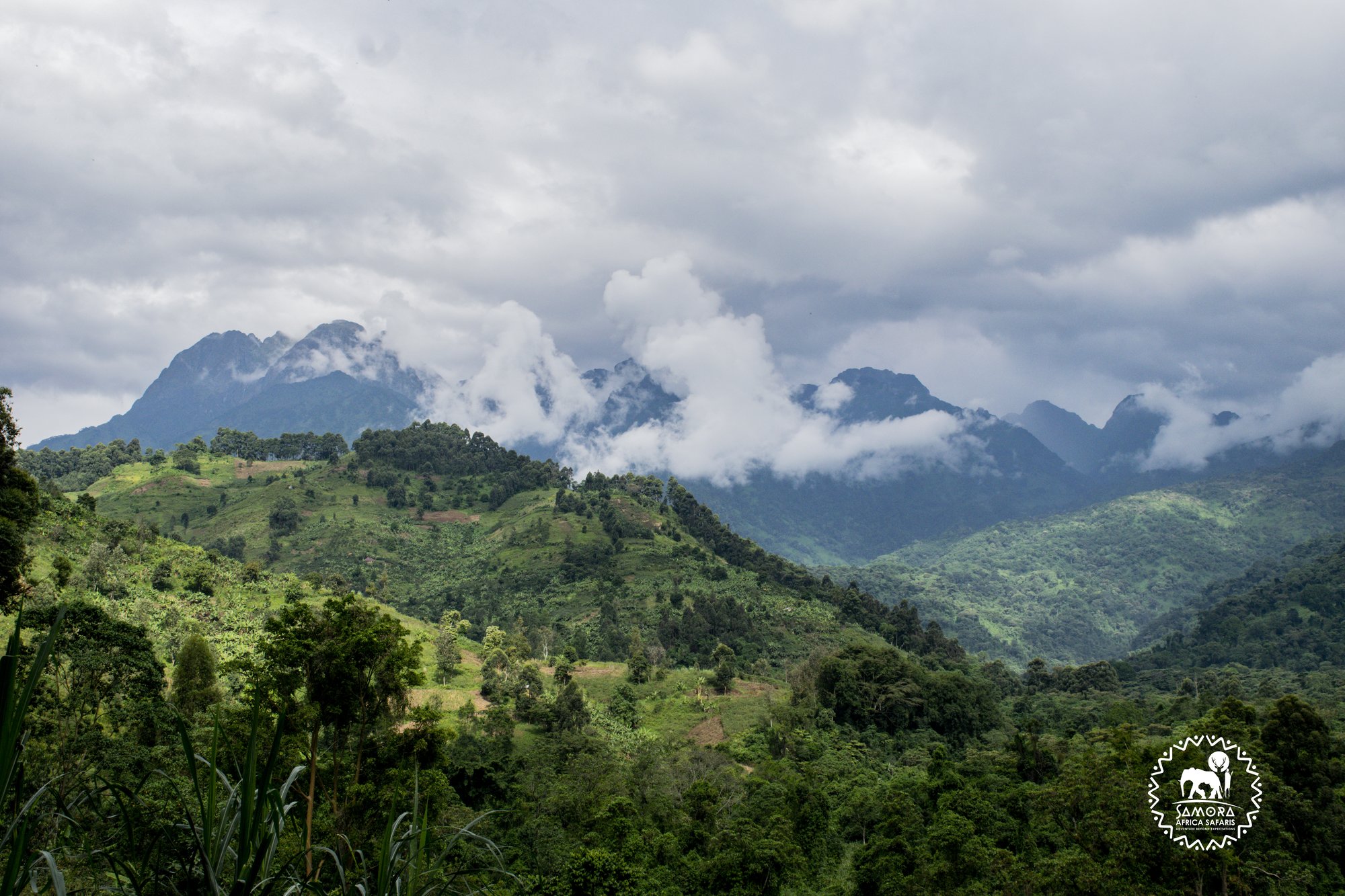
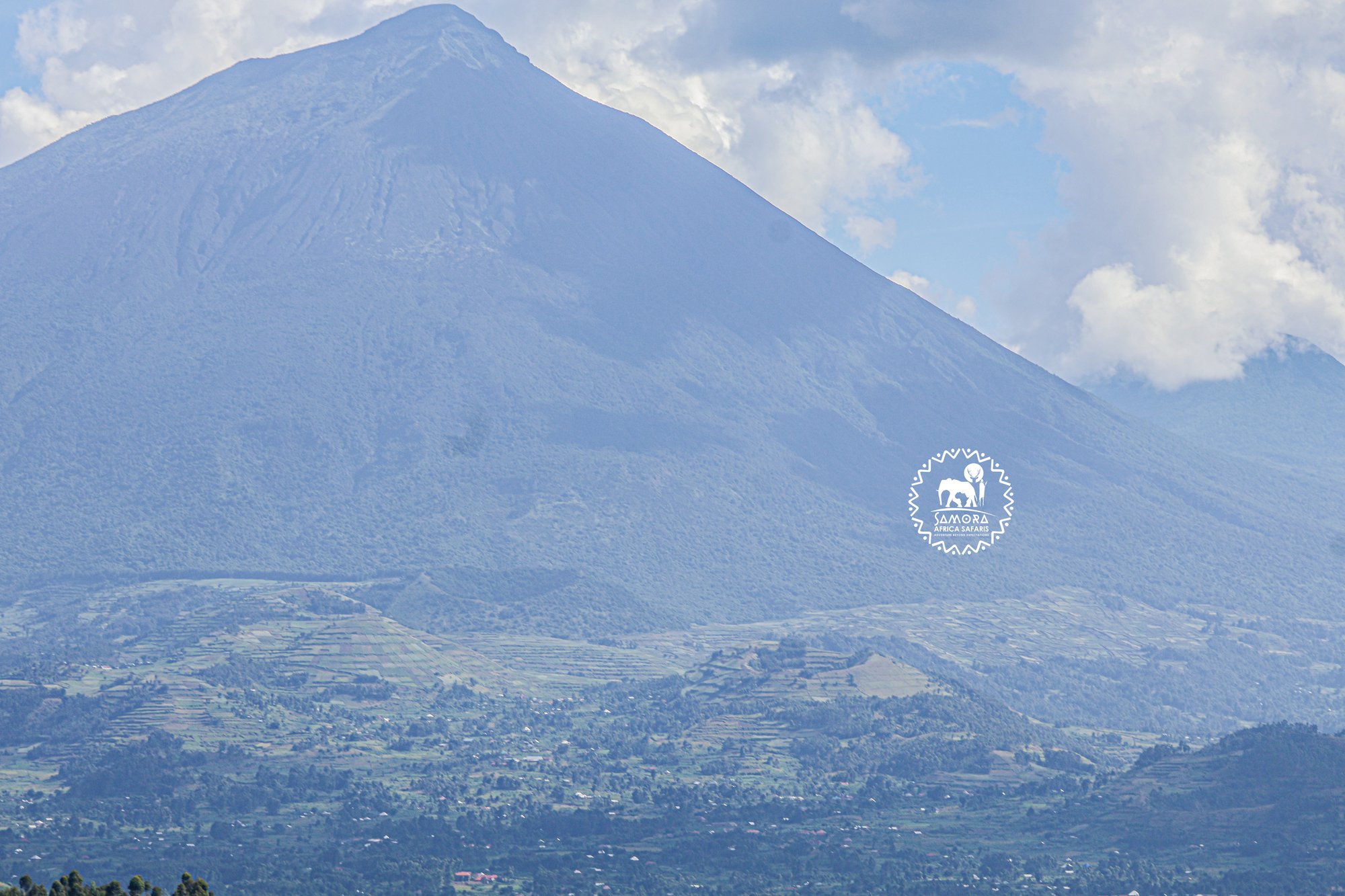
The park protects ancient forests, bamboo-covered slopes, and volcanic landscapes within the Virunga Mountains. These landscapes are shaped by three extinct volcanoes:
- Mount Muhavura (4,127 m): The highest peak in Mgahinga, offering challenging hikes and spectacular views across the Virunga landscape.
- Mount Sabinyo (3,669 m): A rugged volcanic mountain recognised for its dramatic ridges and the unique meeting point of Uganda, Rwanda, and the Democratic Republic of the Congo.
- Mount Gahinga (3,474 m): The smallest of the three volcanoes, featuring bamboo forests and montane vegetation.
These volcanoes form part of the wider Virunga Conservation Area, a transboundary ecosystem shared by Uganda, Rwanda, and the Democratic Republic of the Congo.
Despite its small size, Mgahinga protects exceptional biodiversity, offering rare wildlife encounters, spectacular mountain landscapes, and unforgettable nature experiences.
Why Visit Mgahinga Gorilla National Park
Mgahinga Gorilla National Park combines tropical forests, rare wildlife, and dramatic volcanic landscapes in southwestern Uganda.
The park provides visitors with opportunities to experience mountain gorillas, golden monkeys, diverse vegetation zones, and the breathtaking scenery of the Virunga Mountains.
With its blend of wildlife encounters, hiking adventures, and cultural experiences, Mgahinga is an ideal destination for travellers seeking an authentic mountain wilderness experience.
Top Reasons to Visit Mgahinga Gorilla National Park
Mountain Gorilla Trekking
Encounter endangered mountain gorillas in their forest habitat and experience one of Uganda’s most remarkable wildlife adventures.
Golden Monkey Tracking
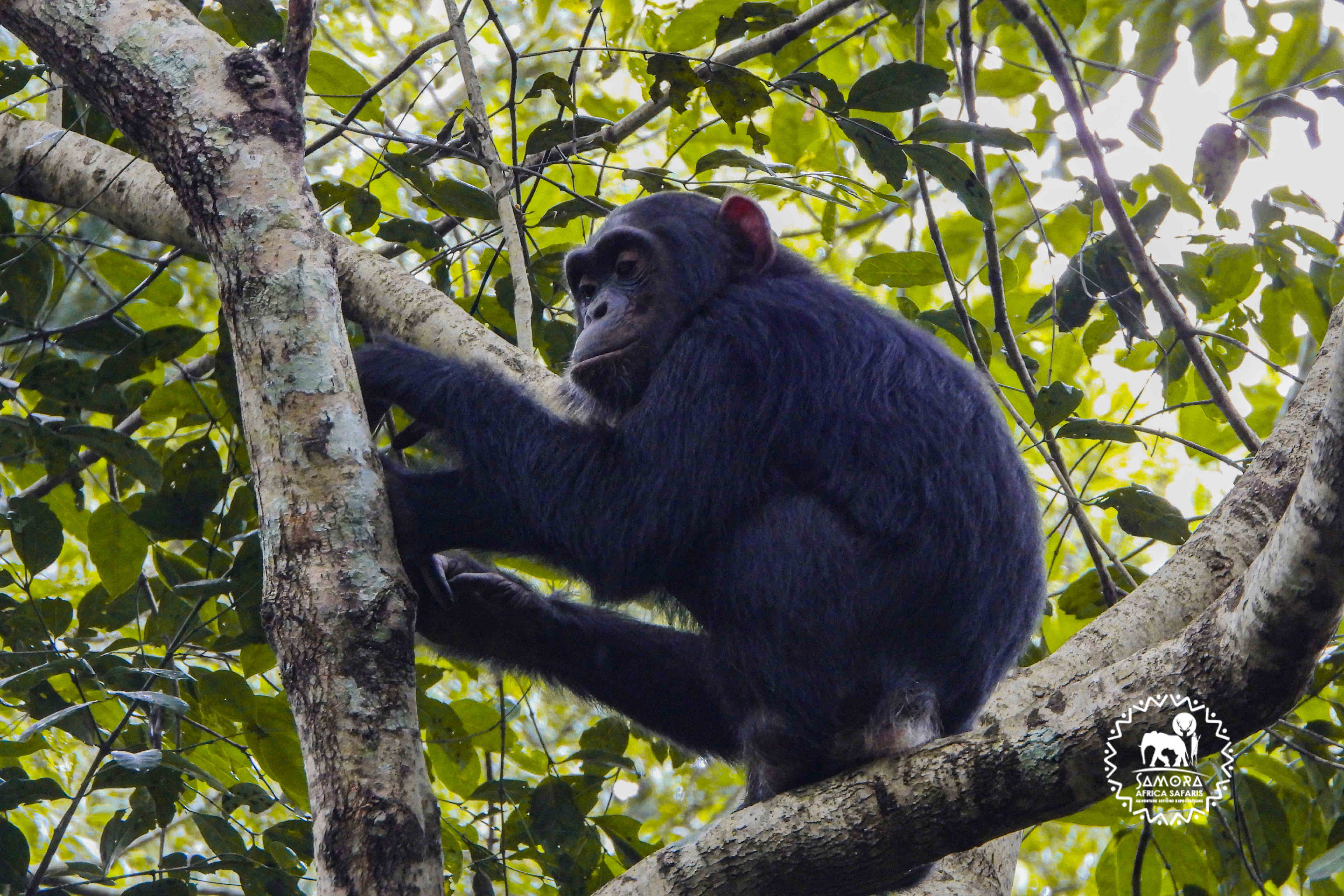
Search for rare golden monkeys of the Albertine Rift and observe their energetic behaviour in the bamboo forests.
Volcanic Landscapes and Hiking
Explore the dramatic scenery of the Virunga Mountains, including Mount Muhavura, Mount Sabinyo, and Mount Gahinga.
Diverse Forest Habitats
Discover changing ecosystems ranging from bamboo forests and montane woodlands to Afro-alpine vegetation.
Exceptional Birdwatching
Observe more than 115 recorded bird species, including Albertine Rift endemics such as the Rwenzori turaco.
Batwa Cultural Experiences
Learn about the traditions, history, and forest heritage of the Batwa people through guided cultural encounters.
Wildlife and Biodiversity
Despite covering a small area, Mgahinga Gorilla National Park supports a remarkable variety of wildlife adapted to its mountainous rainforest environment.
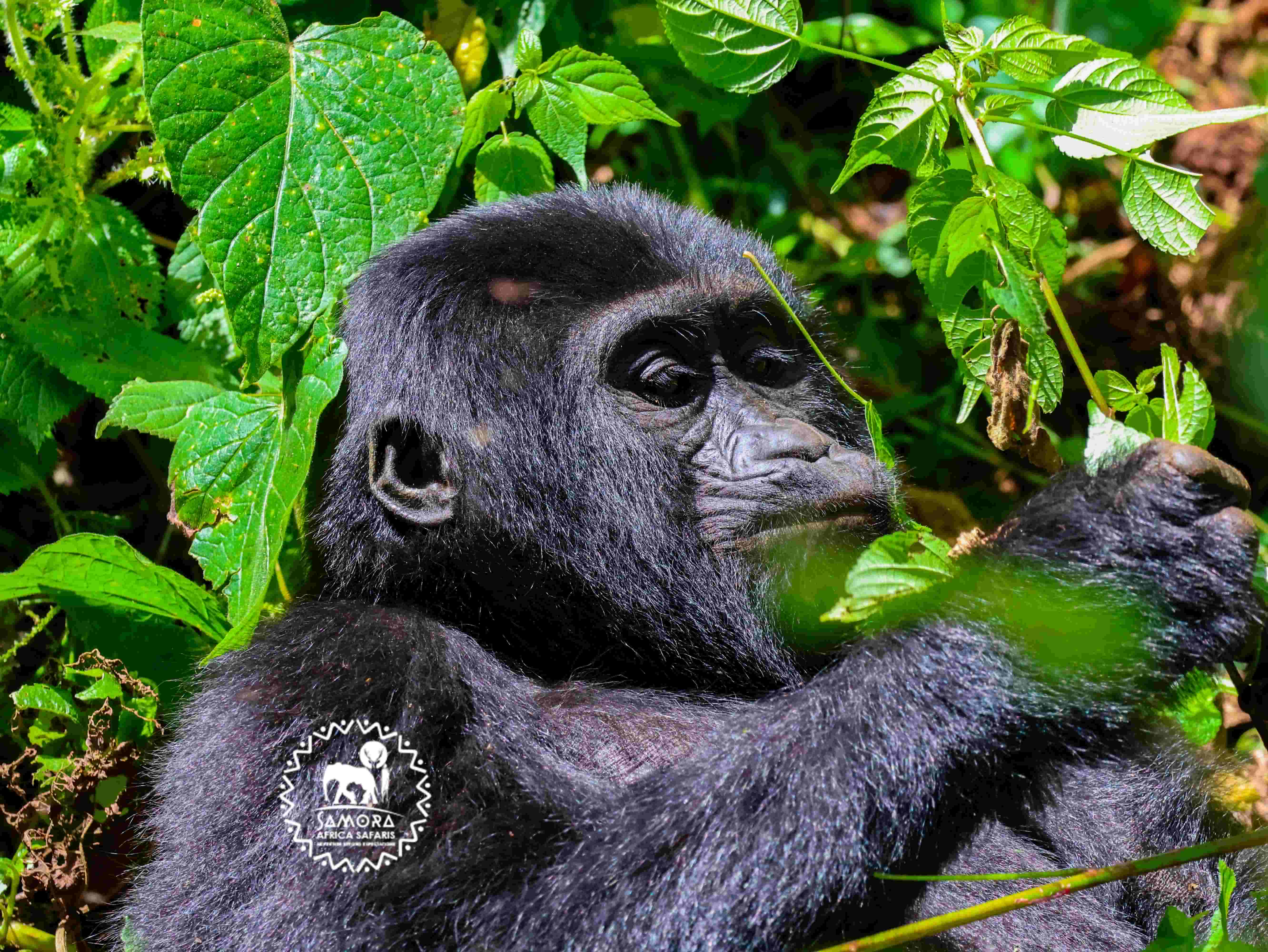
The park is best known for its endangered mountain gorillas and rare golden monkeys, which are among its main attractions. Other mammals found within the forest include:
- Bush elephants
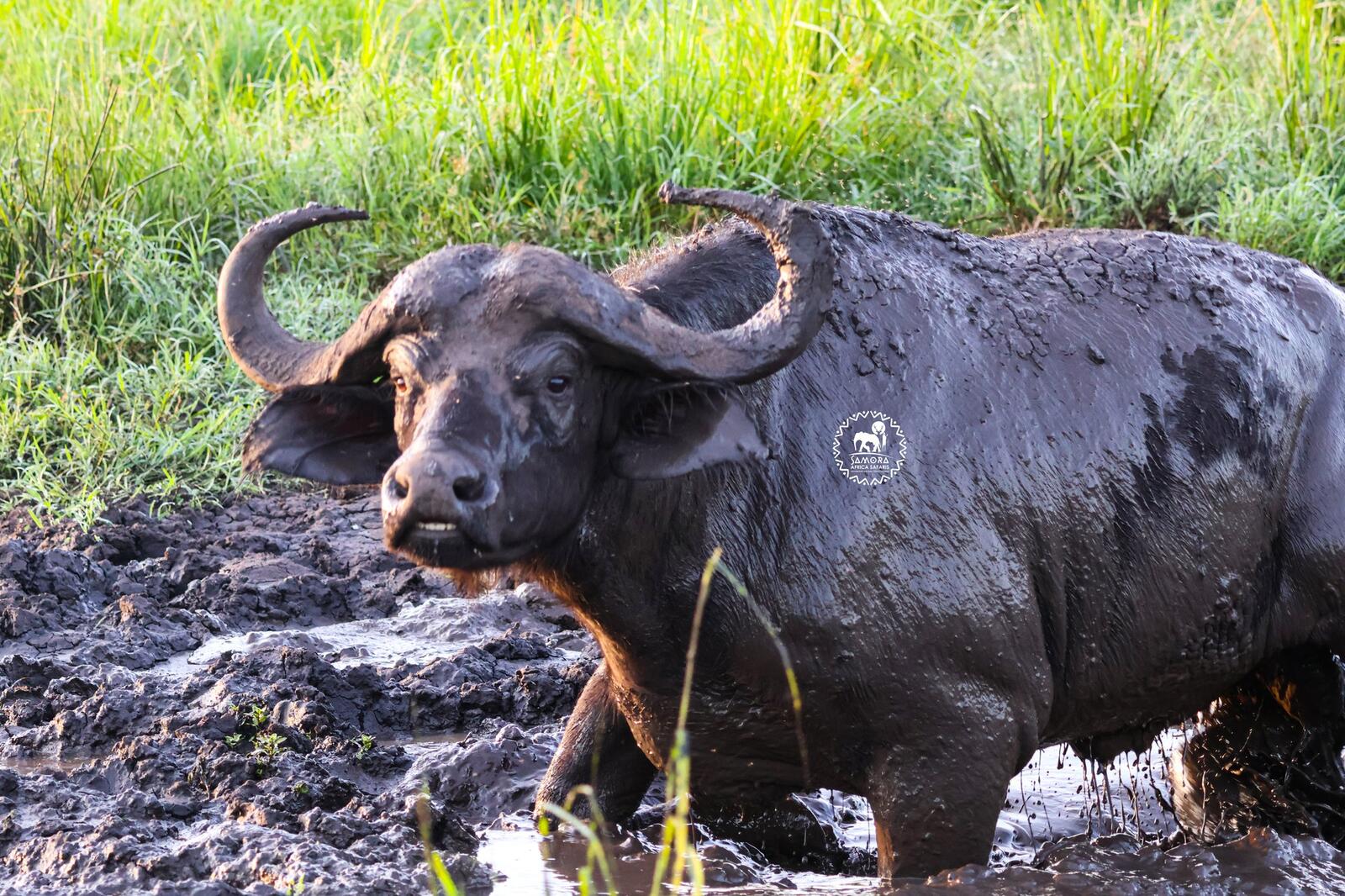
- Cape buffaloes
- Leopards
- Giant forest hogs
- Bushbucks
- Bush pigs
The dense vegetation and rugged terrain make many of these mammals difficult to observe, adding to the sense of discovery during forest excursions.
Mgahinga is also an excellent destination for bird enthusiasts, with more than 115 recorded species. The park supports several Albertine Rift endemics, including the Rwenzori turaco.
Landscape and Vegetation
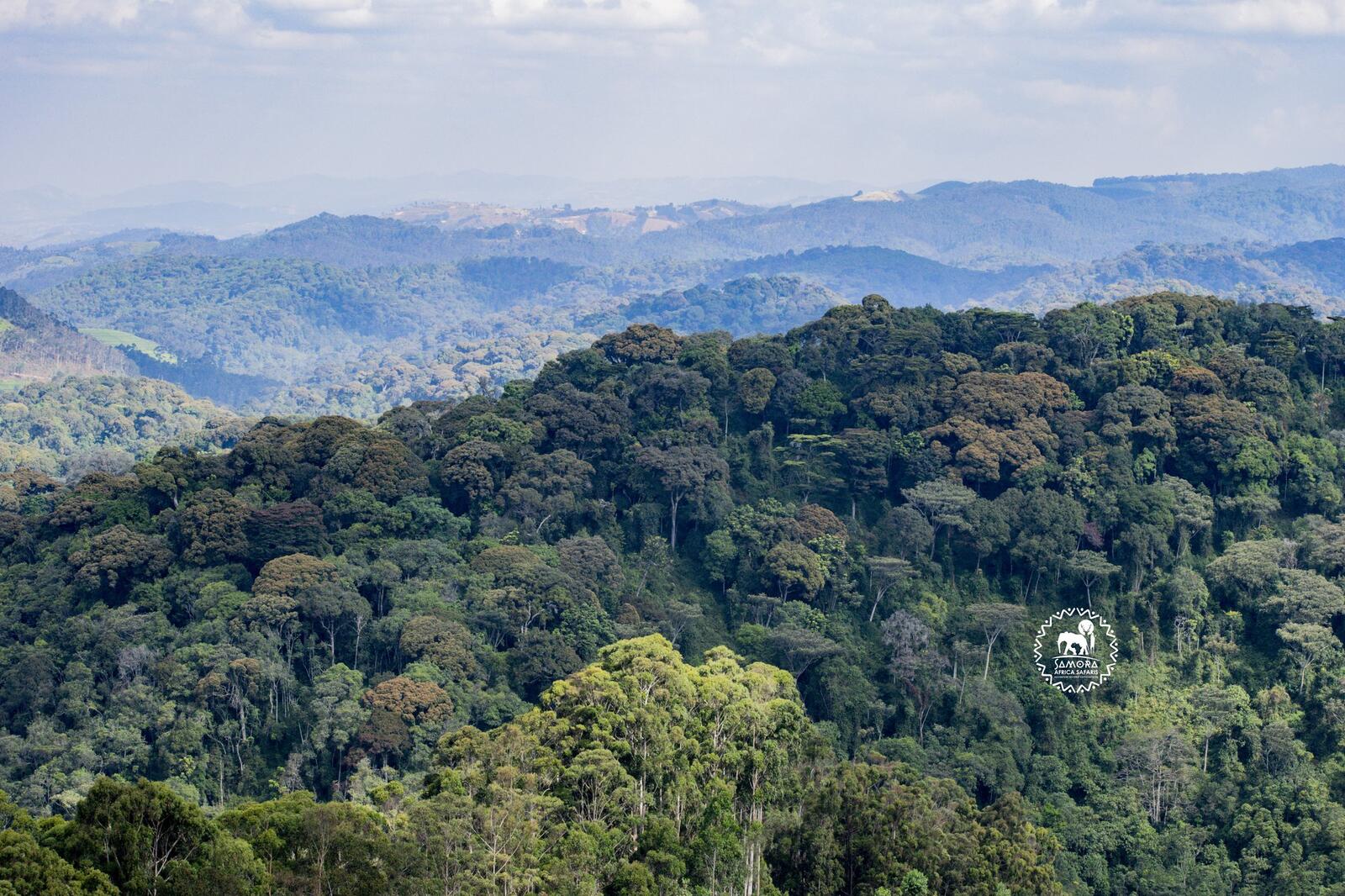
Mgahinga Gorilla National Park features a variety of landscapes and vegetation zones shaped by volcanic activity, altitude changes, and its position within the Virunga Mountains.
The park’s ecosystems range from lower-altitude grasslands to high-elevation Afro-alpine habitats, creating a diverse mountain environment for plants and wildlife.
Grasslands and Bushland
The lower slopes contain grasslands and bushland that form a transition between open areas and the park’s forest ecosystems.
These habitats contribute to Mgahinga’s ecological diversity and support different wildlife species.
Montane Woodlands
As elevation increases, the vegetation changes into montane woodlands with trees and shrubs adapted to cooler mountain conditions.
These woodlands form part of the broader forest ecosystem that supports the park’s wildlife.
Bamboo Forests
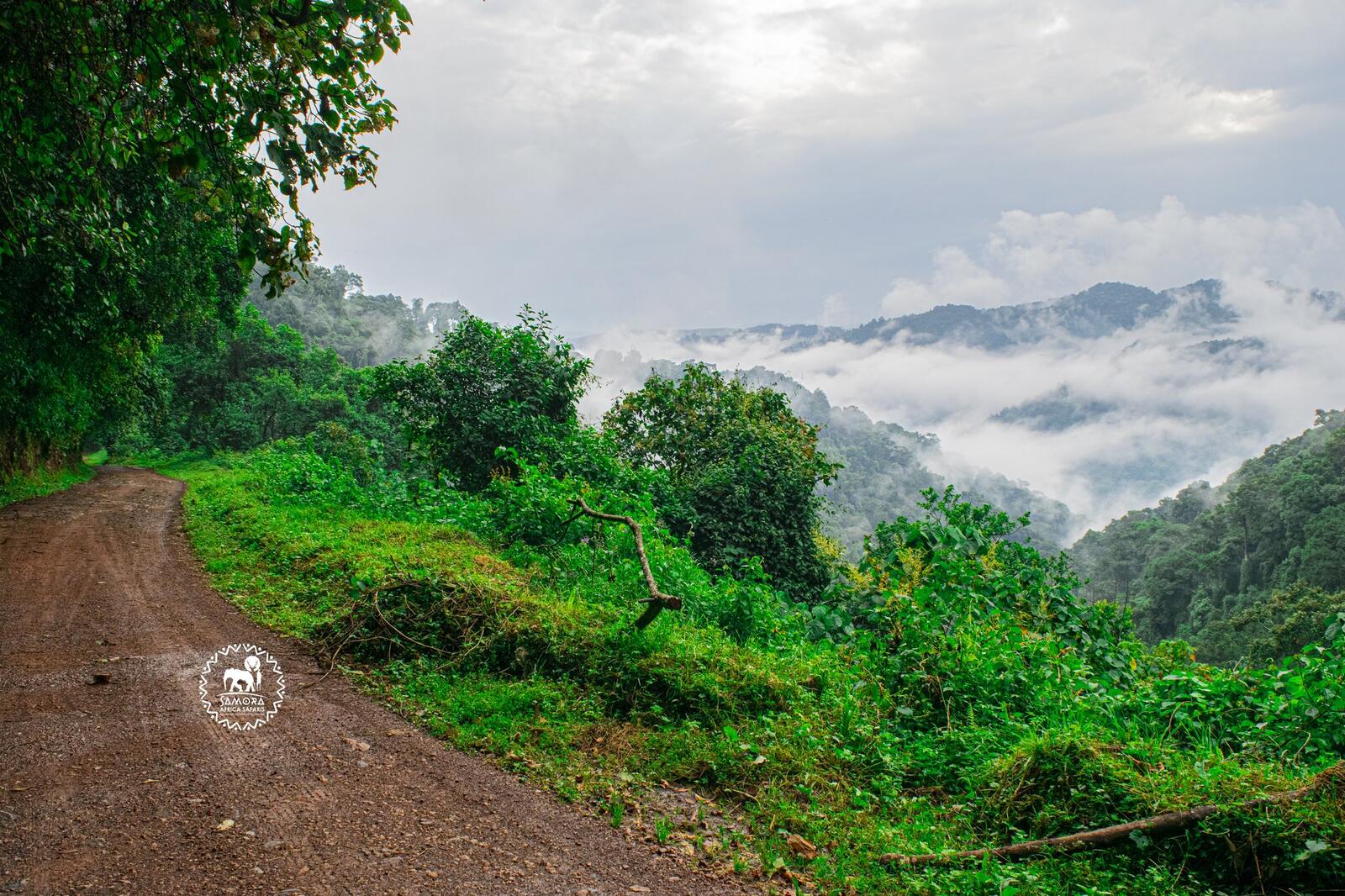
Bamboo forests dominate much of the mid-altitude zone and represent one of Mgahinga’s most distinctive habitats.
These dense bamboo areas provide important feeding grounds for mountain gorillas and golden monkeys while creating a unique environment for visitors.
Montane Forests
Higher elevations feature cool, humid montane forests with diverse plant species adapted to mountain conditions.
These forests provide essential habitat for many of the park’s birds, mammals, and primates.
Afro-Alpine Vegetation Zones
At the highest elevations, the landscape transitions into Afro-alpine vegetation characterised by giant heathers, lobelias, and other specialised high-altitude plants.
These rare mountain habitats create dramatic scenery and represent some of the most distinctive ecosystems within the Virunga Mountains.
Top Activities to Do in Mgahinga Gorilla National Park
Mgahinga Gorilla National Park offers opportunities to explore diverse landscapes, connect with nature, and discover the biodiversity of southwestern Uganda.
These experiences provide insight into the park’s ecosystems, wildlife, and cultural heritage.
Gorilla Trekking
Experience one of Mgahinga Gorilla National Park’s most iconic activities by trekking through the forest to observe endangered mountain gorillas in their natural habitat.
Golden Monkey Tracking
Discover Uganda’s only golden monkey tracking destination in Mgahinga Gorilla National Park, home to rare Albertine Rift primates.
Trek through bamboo forests to observe golden monkeys, learn about their behaviour, and capture photographs of these unique species.
Compared to gorilla trekking, the activity is generally shorter and less demanding, as golden monkeys are often found at lower elevations.
Volcano Hiking
Explore the volcanic landscapes of Mgahinga Gorilla National Park through guided hikes on Mount Muhavura, Mount Sabinyo, and Mount Gahinga.
The trails pass through forests, bamboo zones, and scenic mountain landscapes, offering views of the Virunga Mountains and the park’s unique high-altitude environment.
Birdwatching
Explore the diverse birdlife of Mgahinga Gorilla National Park across its forests, bamboo zones, and mountain habitats, which support more than 115 recorded bird species.
Key birding areas include the bamboo belt, montane forests, and the gorge trail between Mount Gahinga and Mount Sabinyo.
Climate and Best Time to Visit
Located within the Virunga Mountains, Mgahinga Gorilla National Park experiences a cool highland climate shaped by its elevation, volcanic terrain, and forested slopes.
Temperatures remain moderate throughout the year, with cooler conditions at higher volcanic elevations. Regular rainfall supports the park’s bamboo forests, montane forests, and diverse ecosystems.
Mgahinga is open throughout the year, offering gorilla trekking, golden monkey tracking, birdwatching, and hiking, although weather conditions can affect trails and trekking experiences.
Drier Seasons (June to August & December to February)
The drier months usually provide more favourable conditions for trekking and hiking, with firmer trails and easier movement through the forest and mountain terrain.
These periods are preferred by many travellers seeking comfortable outdoor experiences and clearer views of the Virunga volcanoes.
Wetter Seasons (March to May & September to November)
The wetter months bring renewed greenery across Mgahinga’s forests, creating vibrant scenery and excellent opportunities for photography and nature exploration.
Although rainfall can make trails muddy and more challenging, activities continue throughout the year, offering visitors a quieter experience surrounded by lush landscapes.
Year-Round Travel Considerations
Mgahinga Gorilla National Park can be visited throughout the year, with each season offering unique advantages.
Travellers seeking easier trekking conditions may prefer the drier months, while wetter periods offer greener scenery, fewer crowds, and a more immersive rainforest experience.
Accommodation Near Mgahinga Gorilla National Park
Visitors to Mgahinga Gorilla National Park can choose from lodges, camps, and guesthouses located near the park.
Most accommodation options are found in nearby Kisoro town, which serves as the main base for travellers visiting Mgahinga and exploring the surrounding Virunga region.
These accommodations provide comfortable stays, scenic surroundings, and convenient access to gorilla trekking, golden monkey tracking, hiking, and other park experiences.