Hiking
Adventure Moderate 3-8 hours
Hiking in Uganda and Rwanda
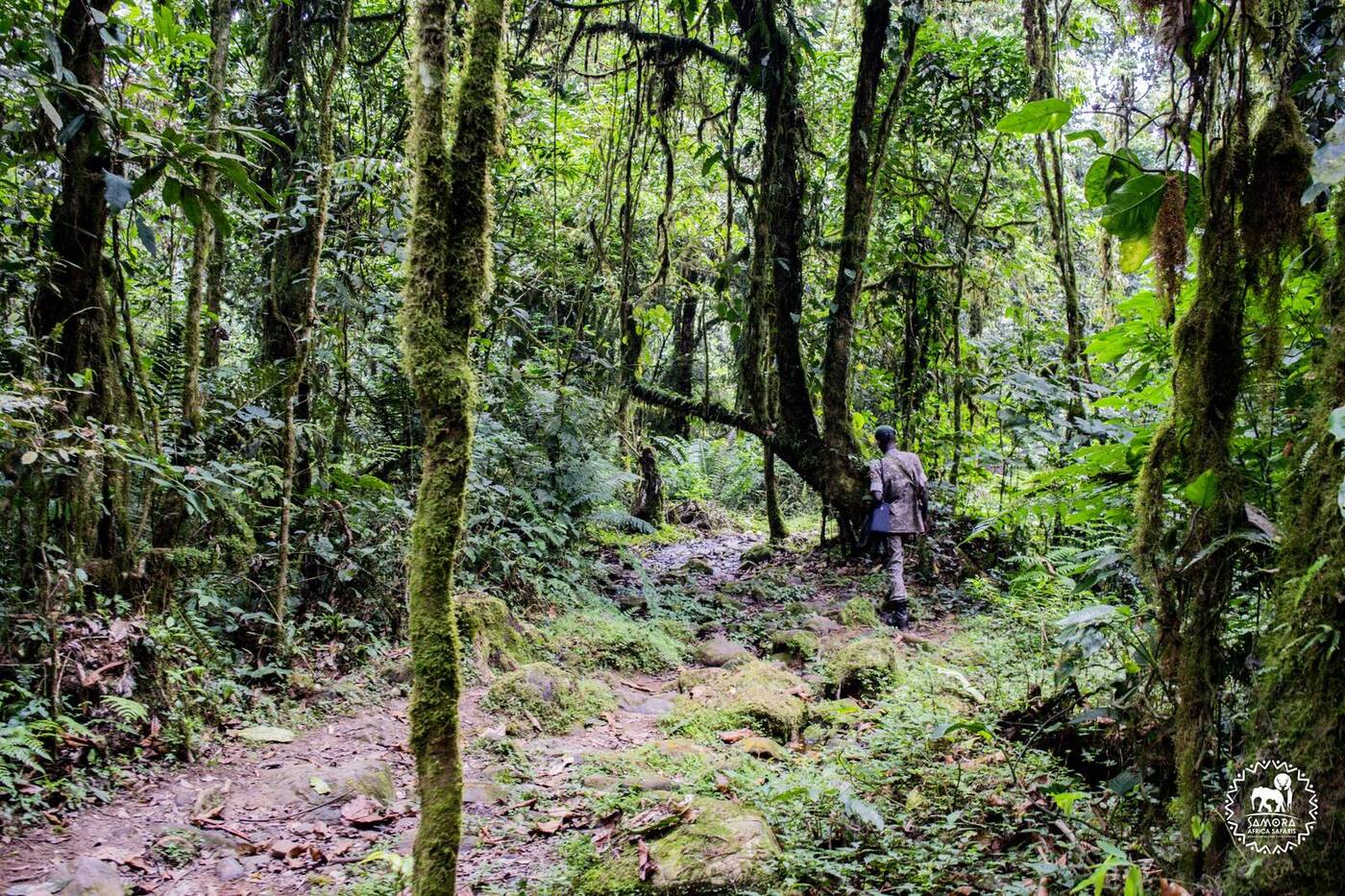
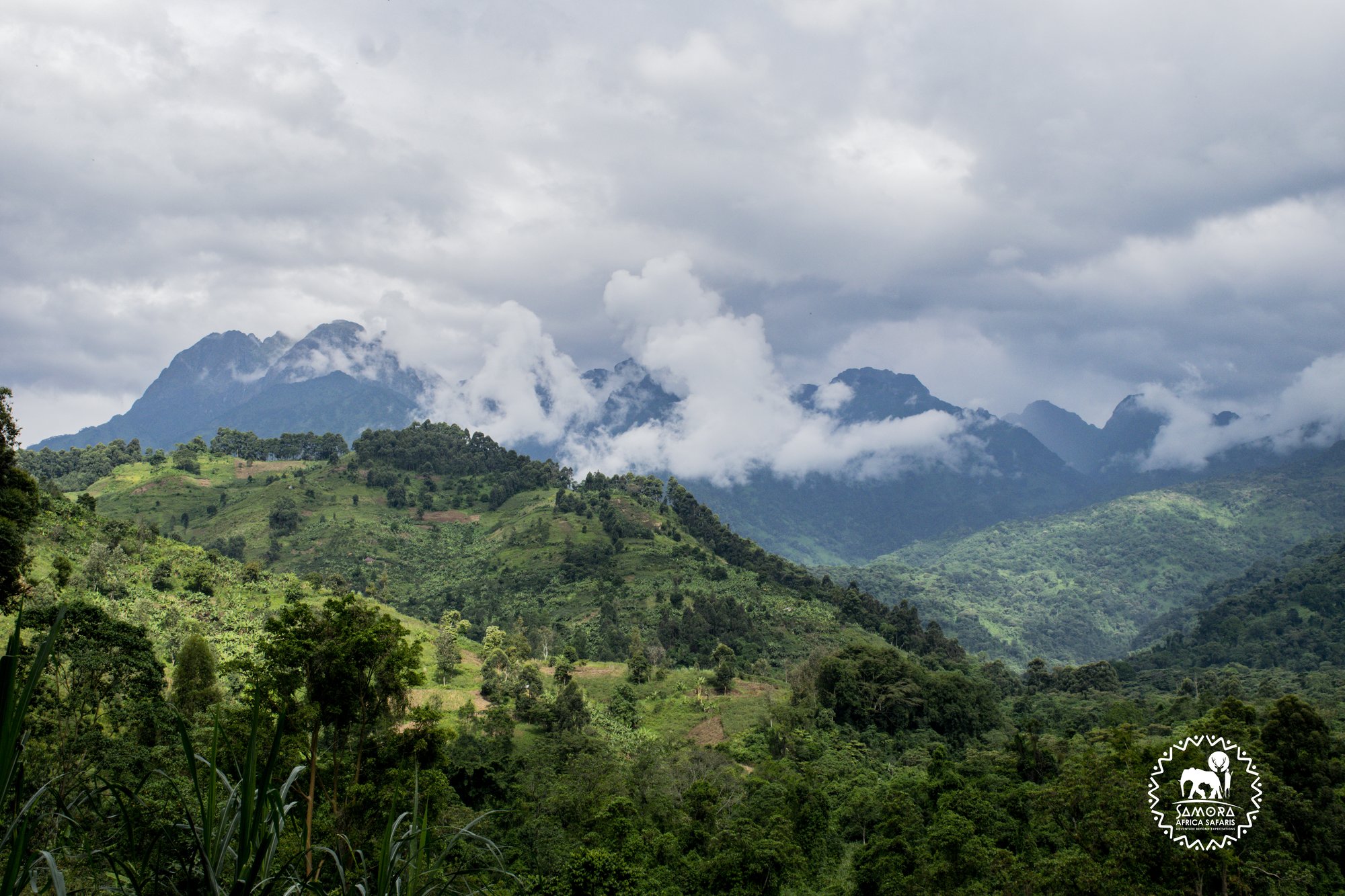
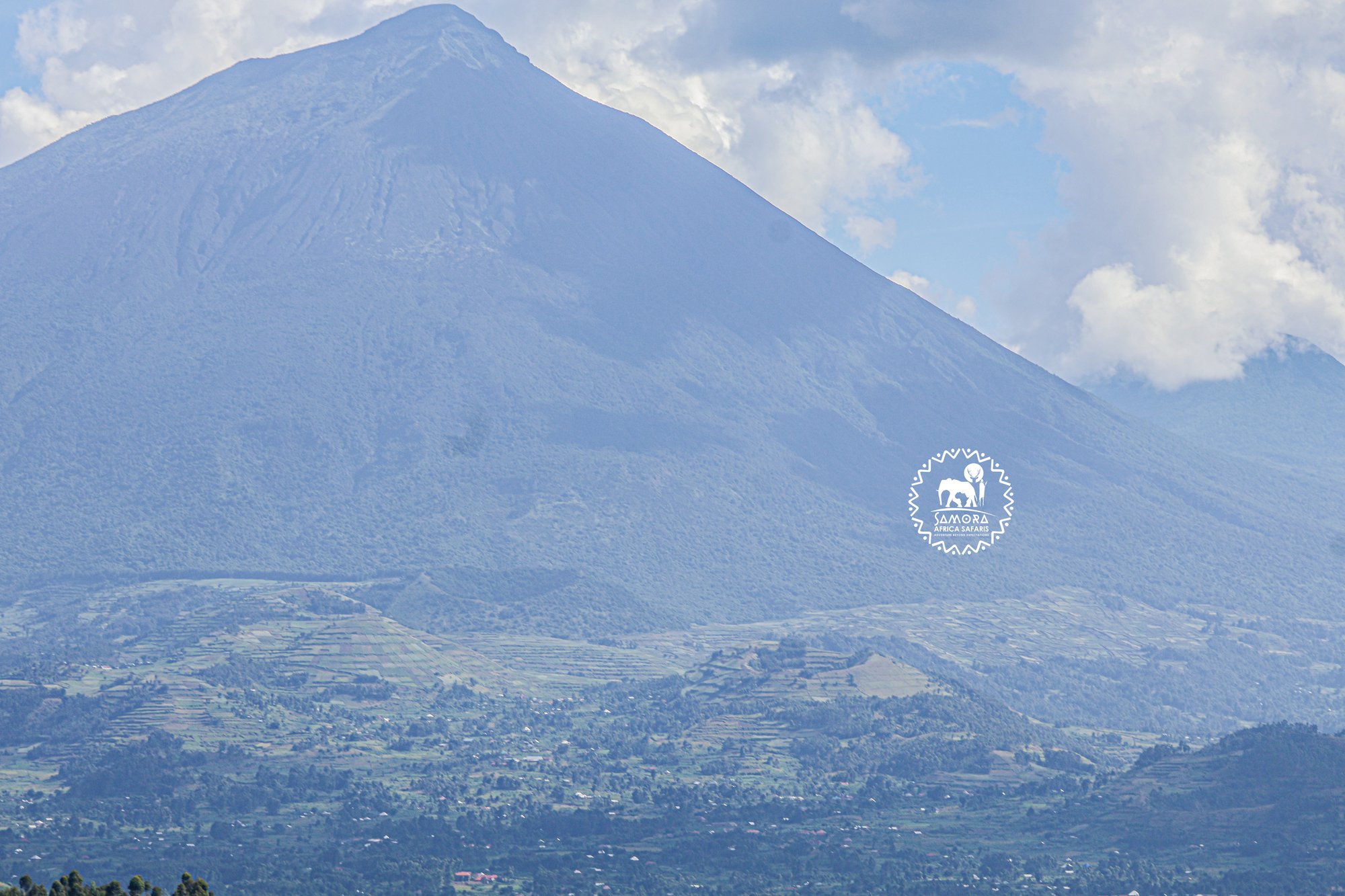
Hiking in Uganda and Rwanda involves exploring the Virunga Mountains through guided trails that wind through forests, bamboo habitats, and high-altitude terrain.
These hikes offer opportunities to encounter wildlife, discover varied ecosystems, and enjoy views of volcanic peaks while experiencing the physical challenge of mountain trails.
Exploring the Virunga Mountains
The Virunga Mountains feature volcanic peaks and varied mountain habitats across Uganda and Rwanda. Their trails differ in length, terrain, and difficulty, creating distinct hiking experiences.
Top Hiking Mountains in Uganda
Uganda's top hiking mountains in the Virunga region include Mount Mgahinga, Mount Muhabura, and Mount Sabinyo. Located in southwestern Uganda, these peaks offer a range of hiking experiences.
The mountains feature varied terrain, including forests, bamboo zones, and alpine habitats, with each peak offering a different level of challenge and scenery.
Mount Mgahinga – 3,474 Metres
Mount Mgahinga features volcanic terrain and diverse montane ecosystems.
Hiking to the summit takes 6–8 hours round trip, depending on weather, trail conditions, and pace. The trail climbs from montane forest through bamboo to higher-altitude vegetation.
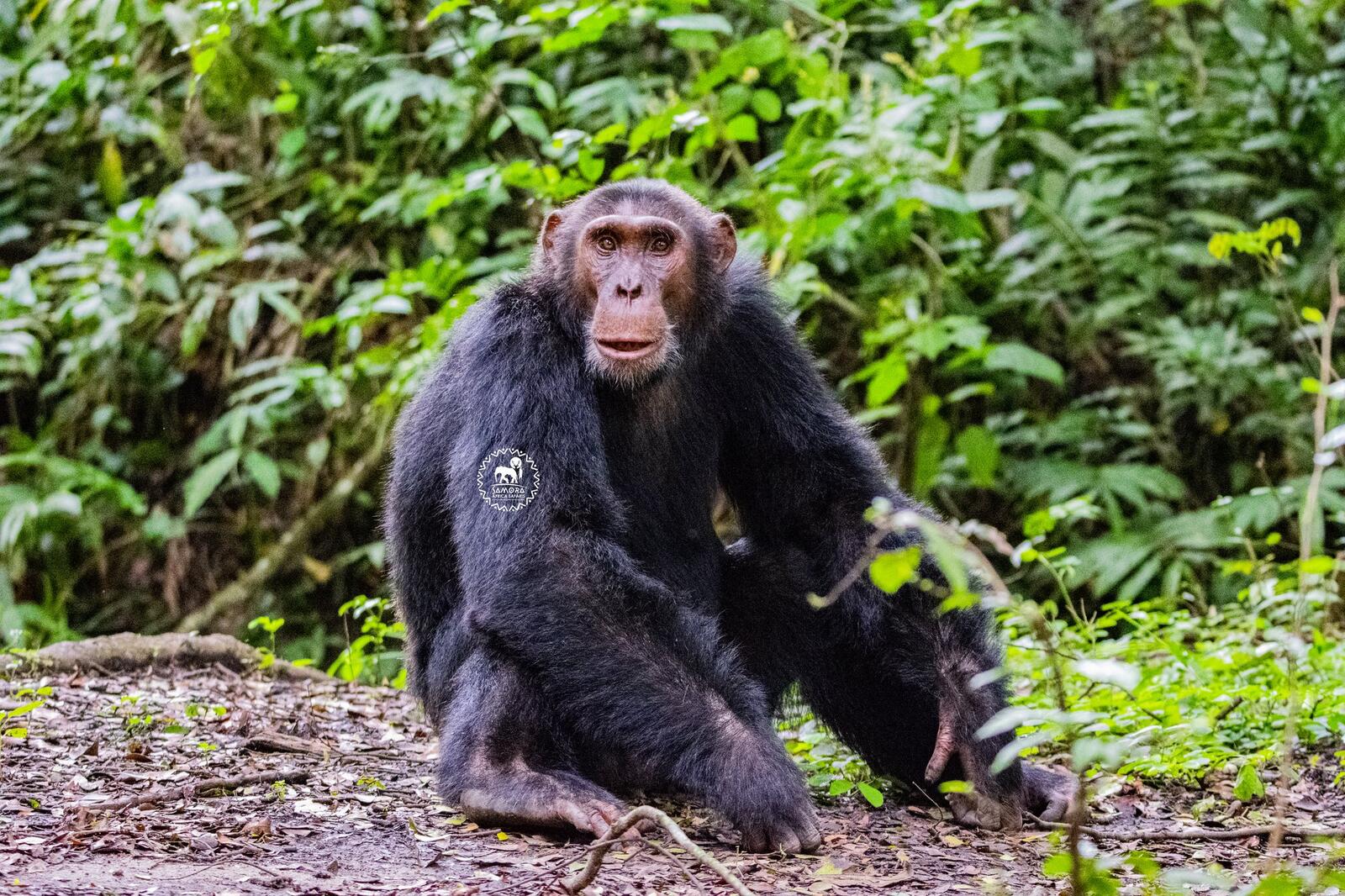
Along the way, hikers can observe plant species and montane birds, with the possibility of encountering golden monkeys in the forest.
At higher elevations, the landscape features alpine vegetation, including giant lobelias, with views across the Virunga peaks and into Uganda, Rwanda, and the Democratic Republic of the Congo.
Mount Muhabura – 4,127 Metres
Mount Muhabura is one of Uganda's highest Virunga peaks, offering a challenging hike across steep volcanic slopes and high-altitude terrain.
The 8–10-hour round trip involves a steep, continuous ascent over rocky terrain and through montane vegetation to alpine habitats.
Montane birds and plant species are found along the slopes, where vegetation changes with elevation from lower forest zones to alpine habitats.
The mountain features a crater lake at the summit, with Mount Gahinga, Mount Sabinyo, and neighbouring peaks visible. On clear days, views extend across Uganda, Rwanda, and the Democratic Republic of the Congo.
Mount Sabinyo – 3,645 Metres
Mount Sabinyo is known for its jagged peaks, steep ridges, and challenging terrain.
The round trip to the summit takes 8–10 hours and involves steep ascents, ladders, narrow ridges, and exposed sections. Good physical fitness and comfort with heights are recommended.
The route takes you through montane forests, bamboo zones, and higher-altitude vegetation, with opportunities to see plant species, montane birds, and occasional wildlife.
The summit marks the meeting point of Uganda, Rwanda, and the Democratic Republic of the Congo, with views of the Virunga volcanoes, rolling hills, and mountain landscapes.
Top Hiking Mountains in Rwanda
Rwanda's top hiking mountains in the Virunga region include Mount Bisoke and Mount Karisimbi. These volcanic peaks offer varied terrain, from montane forests to high-altitude habitats, with each providing a distinct level of challenge.
Mount Bisoke – 3,711 Metres
Mount Bisoke is a popular hiking destination in Rwanda, known for its crater lake, volcanic terrain, and high-altitude scenery.
Depending on weather and trail conditions, as well as the hiker’s pace, the hike takes 6–8 hours. The trail passes through montane forests and high-altitude vegetation within the Virunga ecosystem.
Along the route, hikers can observe diverse plant life and montane scenery as they make their way toward the summit.
At the summit, visitors can see the crater lake and surrounding volcanic peaks, with views across the Virunga landscape in clear weather.
Mount Karisimbi – 4,507 Metres
Mount Karisimbi is Rwanda’s highest mountain and a demanding hiking destination in the Virunga range. Its slopes feature rugged volcanic terrain, alpine landscapes, and diverse mountain habitats.
The hike takes 2 days and includes an overnight camp on the mountain. The gradual journey allows hikers to experience changing vegetation and landscapes as the elevation increases.
The route passes through dense forest, bamboo-covered slopes, and high-altitude zones. Along the way, hikers may encounter diverse plant life, montane birds, and other wildlife within the Virunga ecosystem.
Higher sections of the trail provide views of neighbouring volcanoes, steep ridges, and the surrounding mountain landscape. Visibility varies with weather conditions.
Reaching the 4,507-metre summit marks the culmination of a demanding high-altitude hike through the Virunga Mountains.
Other Hiking Locations
In addition, Uganda and Rwanda offer several other hiking locations that allow visitors to explore waterfalls, forests, rugged mountains, and scenic landscapes beyond the main hiking destinations.
Uganda
Sipi Falls
Hiking around Sipi Falls takes visitors through coffee farms, local communities, and scenic landscapes, with trails leading to the area’s three waterfalls.
Top of Murchison Falls
A short hike to the top of Murchison Falls offers close views of the Nile as it forces its way through a narrow gorge before plunging over the falls.
Mount Morungole
Hiking around Mount Morungole in the Kidepo region offers a chance to explore rugged mountain landscapes, with views across the surrounding valleys and savannah.
Rwanda
Nyungwe Forest National Park
Forest trails through dense rainforest offer birdwatching, primate sightings, waterfall visits, and scenic viewpoints.
Congo Nile Trail
A multi-day route along Lake Kivu passes through hills, forests, plantations, villages, and lakeside landscapes.
Mount Kabuye
A scenic hill hike in western Rwanda offers views across the surrounding countryside.
Mount Kigali
A shorter hike close to Kigali provides views over the city and surrounding hills.