Mountain Climbing
Adventure Challenging Multi-day
Mountain Climbing in Uganda
Mountain climbing is an adventure activity that involves ascending mountains and navigating high-altitude terrain for recreation, exploration, and the personal challenge of testing one’s physical abilities.
In Uganda, it often involves steep ascents, high altitudes, unpredictable weather, and rugged terrain, requiring climbers to prepare for changing conditions.
Depending on the mountain and route, climbing requires physical endurance, outdoor navigation abilities, and, on more technical routes, specialized skills and equipment.
Uganda offers climbing opportunities ranging from non-technical mountain walks to advanced expeditions requiring mountaineering skills.
Why Choose Mountain Climbing in Uganda
Discover why Uganda is a top destination for mountain climbing, offering memorable experiences across its mountainous landscapes.
Diverse Mountain Landscapes
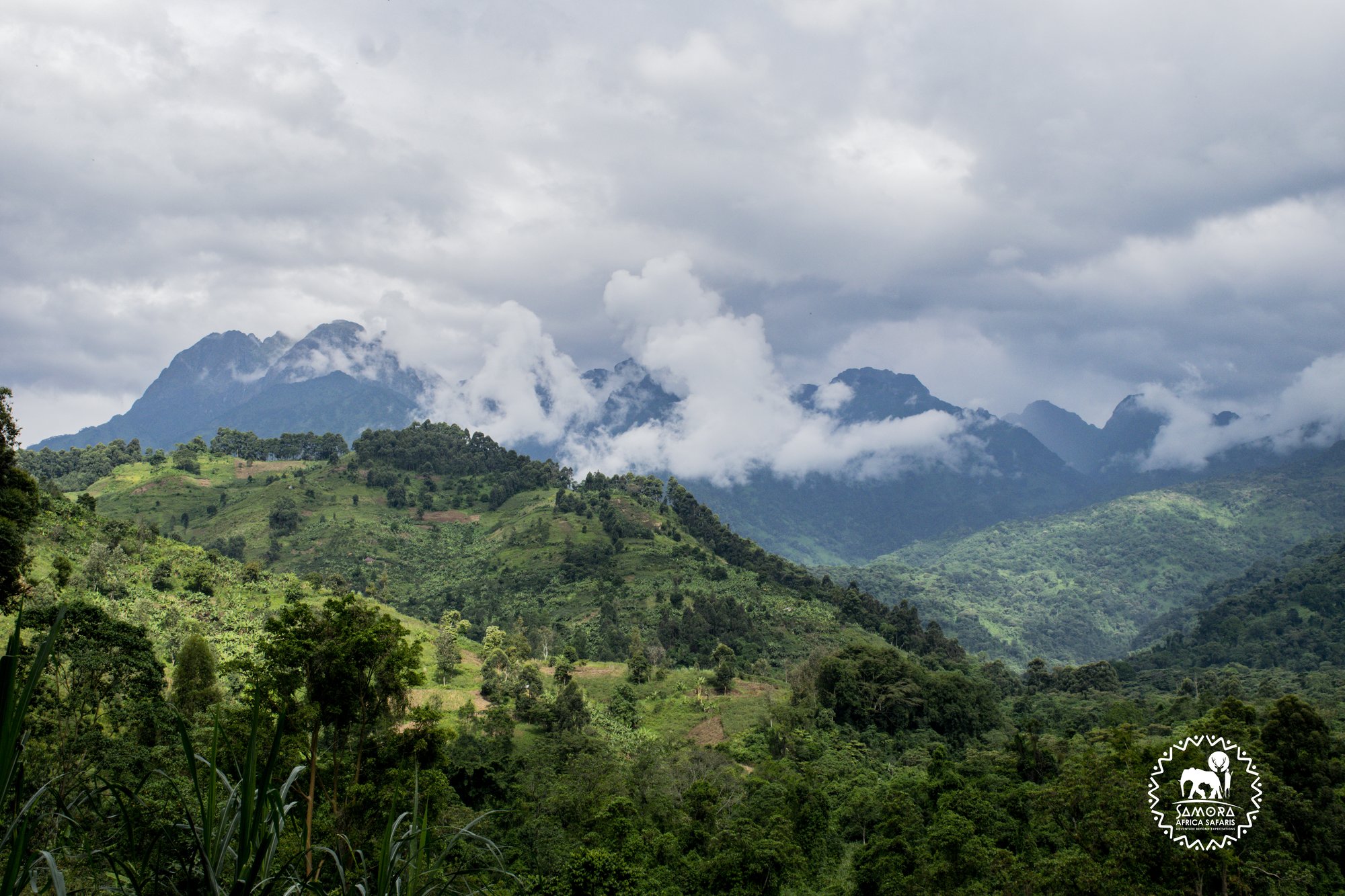
From the glacier-covered peaks of the Rwenzori Mountains to the volcanic landscapes of Mount Elgon, Uganda offers varied mountain environments for climbers to explore.
Varied Climbing Experiences
Uganda offers climbing opportunities ranging from non-technical mountain walks to advanced expeditions, suited to different abilities, interests, and levels of preparation.
Unique Ecosystems and Biodiversity
Uganda’s mountains support diverse ecosystems, rare plant species, and wildlife adapted to different habitats and elevations. As climbers ascend, they experience changing vegetation and natural environments.
Experiencing Local Community Life
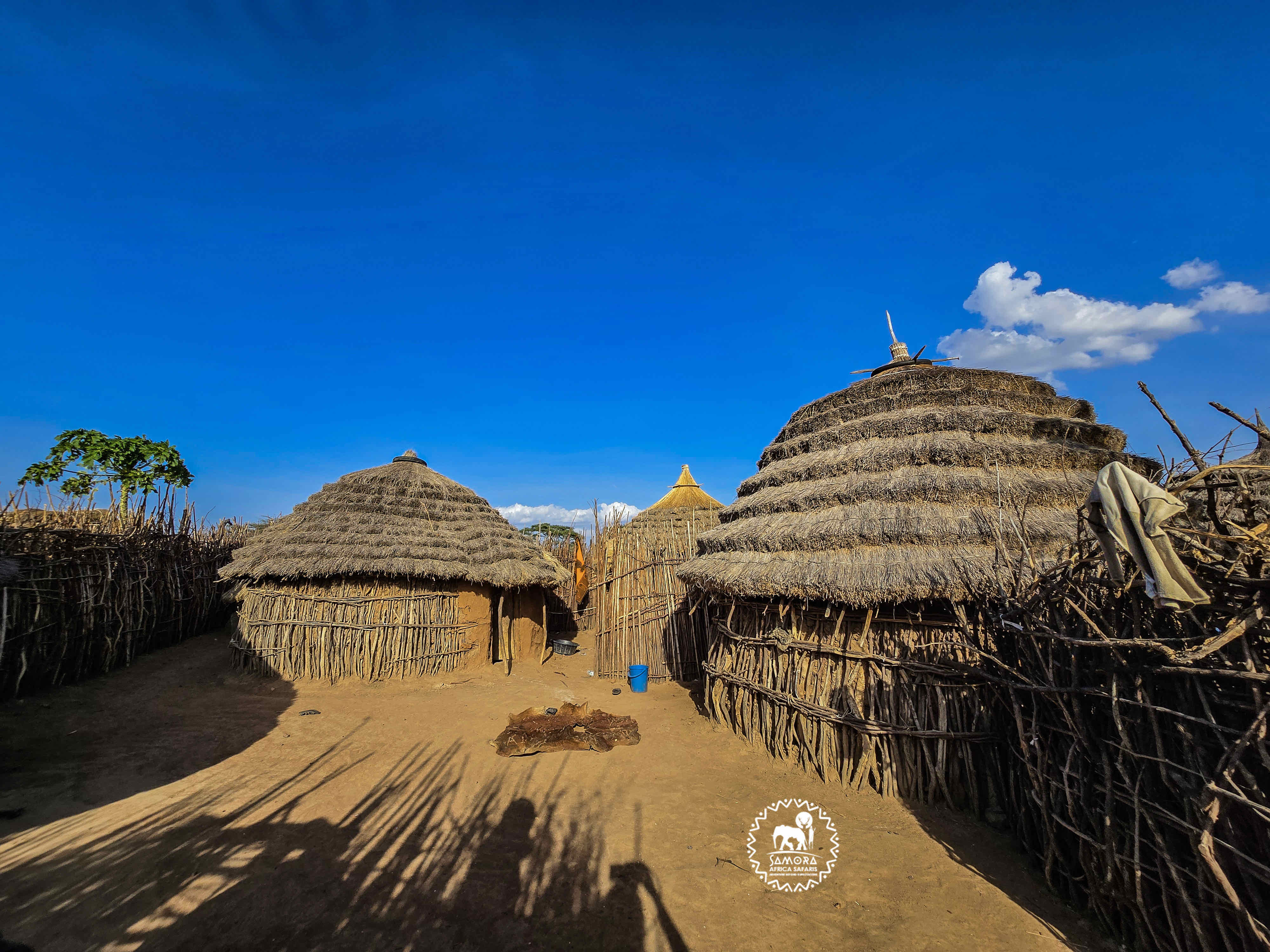
Some mountain trails begin in local communities before ascending into higher mountain environments, allowing climbers to observe local residents’ day-to-day activities.
This provides a glimpse into everyday life in Uganda’s mountain regions and adds a community dimension to the climbing experience.
Best Mountains for Climbing in Uganda
Mountain climbing in Uganda is centred around two iconic destinations: the Rwenzori Mountains and Mount Elgon. Each offers a distinct experience for adventure travelers.
Rwenzori Mountains: The Mountains of the Moon
The Rwenzori Mountains, known as the “Mountains of the Moon,” are one of Uganda’s premier mountain climbing destinations, offering challenging climbs through rugged, high-altitude terrain.
Climbing in the Rwenzori takes climbers through steep slopes, rocky sections, alpine terrain, glaciers, and high-altitude environments.
Summiting Margherita Peak, Uganda’s highest point, requires physical endurance, proper preparation, and mountaineering skills.
The combination of high altitude, changing weather, and technical sections makes climbing the Rwenzori a demanding mountain experience.
Rwenzori Climbing Experience
Climbing the Rwenzori Mountains is a high-altitude adventure that takes climbers through challenging terrain and changing mountain environments.
Climbers can choose from several routes to the Rwenzori peaks, depending on their experience, interests, and summit objective.
Reaching Margherita Peak, the highest point in Uganda, typically requires an eight- to nine-day trek, depending on the chosen route, weather conditions, and the pace of the climbing group.
Climbing the Rwenzori Mountains is organised by specialised operators, including Rwenzori Trekking Services and Rwenzori Mountaineering Services.
For those who may not be able to reach Margherita Peak, one- to five-day treks offer different levels of challenge and opportunities to experience varied mountain landscapes.
Changing Vegetation Zones Along the Climb
As climbers gain altitude, the vegetation and mountain environment change, creating distinct landscapes along the route to the higher peaks.
Afro-Montane Forest Zone (1,800–2,500 metres)
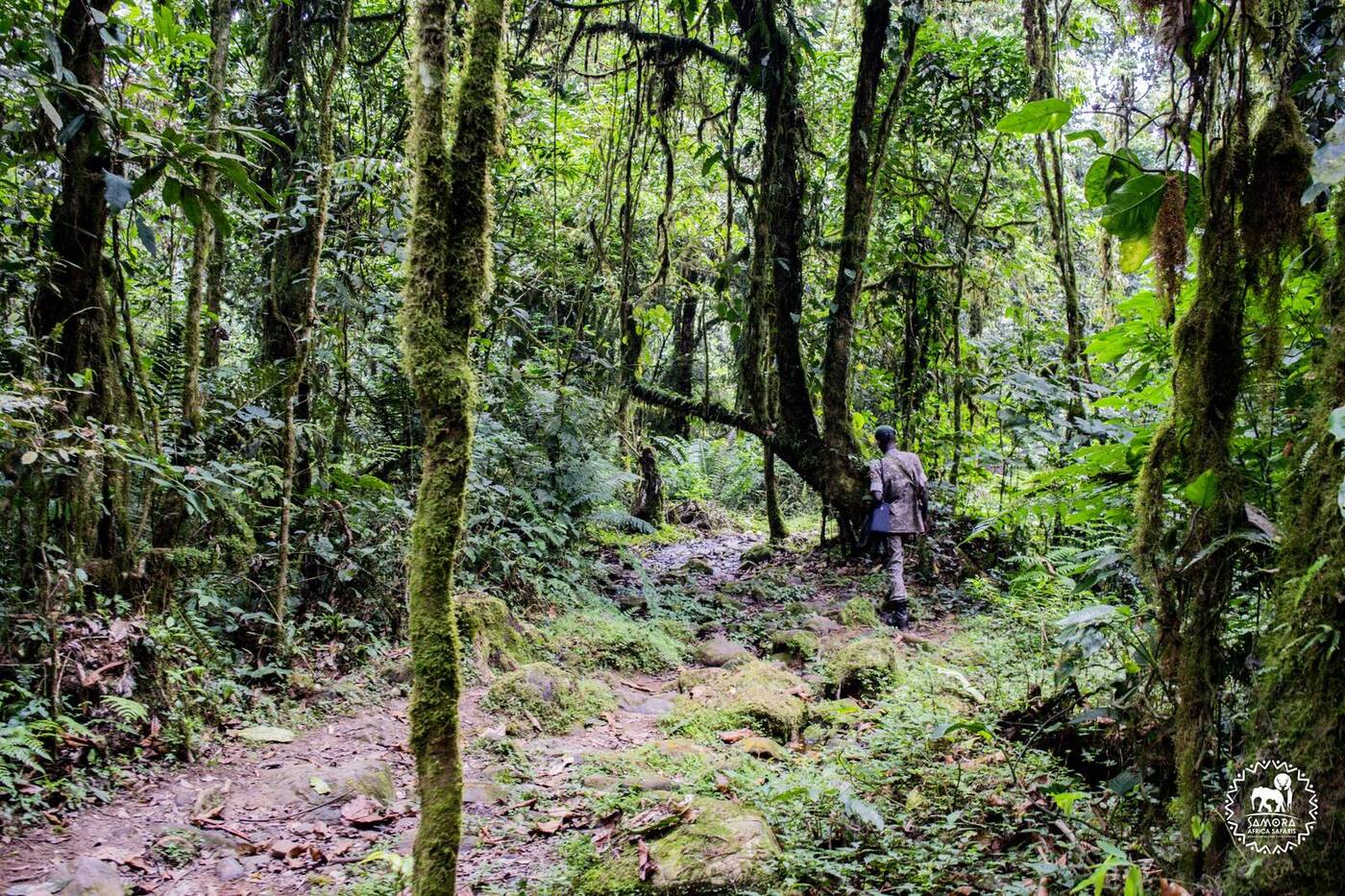
Climbers begin the ascent through dense montane forest, where the lower elevations support rich vegetation and diverse wildlife.
Bamboo-Mimulopsis Zone (2,500–3,000 metres)
Higher sections transition into dense bamboo and mist-covered vegetation as the terrain becomes steeper.
Heather-Rapanea Zone (3,000–4,000 metres)
Giant heathers, moss-covered vegetation, and cooler conditions characterise this high-altitude zone.
Alpine Zone (4,000–4,500 metres)
The vegetation becomes increasingly sparse as climbers reach the upper elevations, with rugged terrain, glaciers, and remnants of permanent ice fields.
Mount Elgon
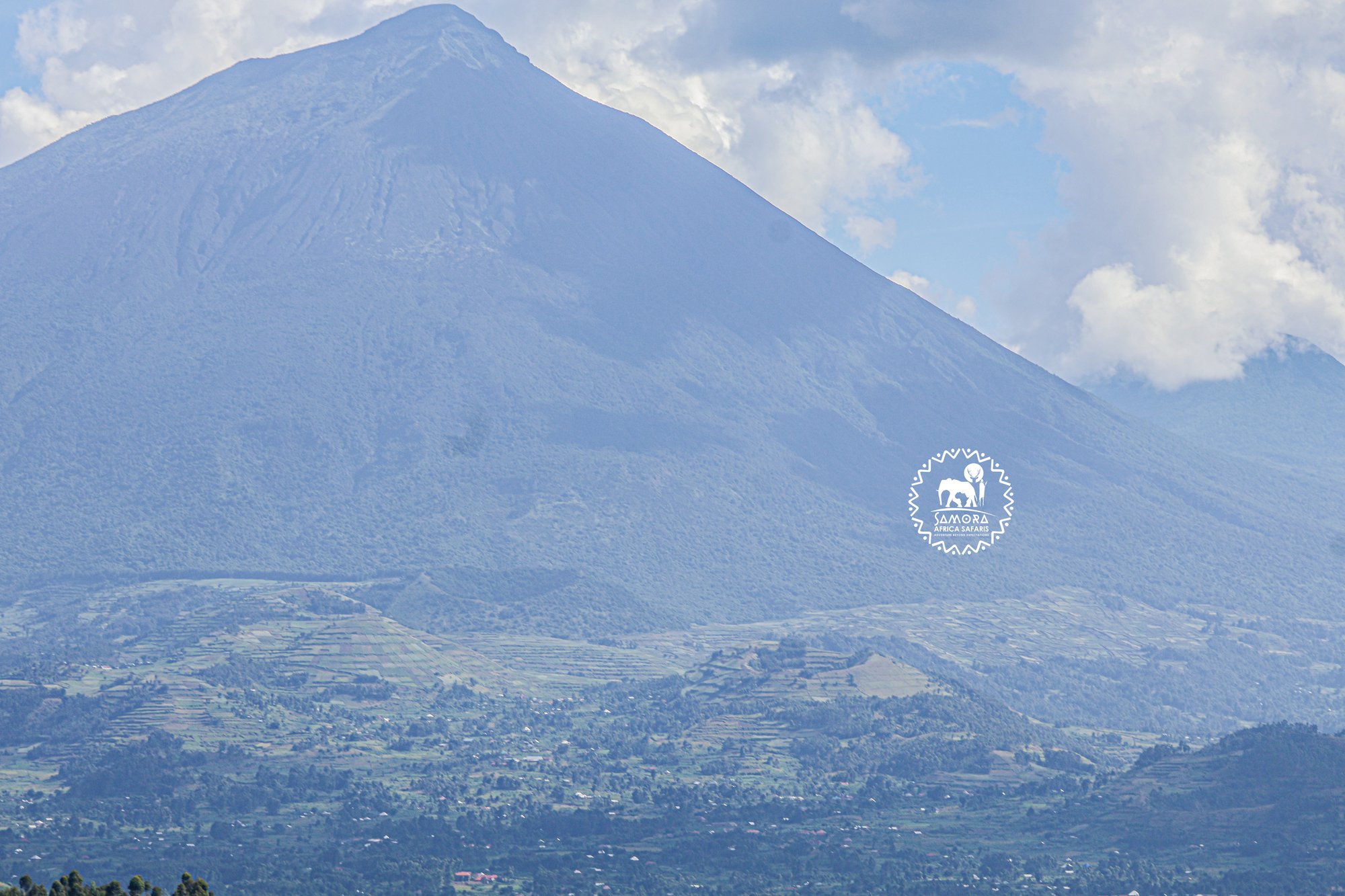
Mount Elgon is one of Uganda’s scenic mountain climbing destinations, offering varied trails, expansive landscapes, unique wildlife, and impressive volcanic features.
Rising to 4,321 metres, Mount Elgon’s highest point is Wagagai Peak, while its vast volcanic caldera is one of the world’s largest intact calderas.
Its varied terrain creates opportunities to explore different mountain environments while climbing toward the higher elevations.
Mount Elgon offers diverse climbing scenery, including ridges, cliffs, valleys, waterfalls, forests, changing vegetation, and expansive views across Uganda and Kenya.
Mount Elgon Climbing Trails
Mount Elgon offers several established climbing routes leading to Wagagai Peak, each providing a distinct experience through different landscapes and vegetation zones.
Sasa Trail
The Sasa Trail is one of the main routes for climbing Mount Elgon, providing a challenging ascent through forests, bamboo zones, and high-altitude landscapes before reaching Wagagai Peak.
Piswa Trail
The Piswa Trail provides a challenging climb through diverse vegetation and mountain landscapes, with opportunities to explore less-developed sections of Mount Elgon.
Sipi Trail
The Sipi Trail begins near Sipi Falls and offers a scenic climb through valleys, forests, changing vegetation, and surrounding landscapes.
What to Pack for Mountain Climbing in Uganda
Mountain climbing in Uganda involves changing weather, varied terrain, and different altitudes. The right gear is essential for safety and comfort.
The equipment required depends on the mountain, route, season, duration, and difficulty. Some items may be provided by trekking operators, so climbers should confirm the final packing list before departure.
Clothing and Weather Protection
Waterproof Hiking Jacket and Trousers
Pack waterproof clothing to protect against rain, wind, and wet conditions, especially at higher elevations in the Rwenzori Mountains.
Warm Clothing Layers
Layered clothing helps climbers adjust to changing temperatures, especially during cold mornings, overnight stays, and high-altitude sections.
Fleece or Insulated Jacket
A fleece or insulated jacket provides additional warmth during cold conditions, particularly at higher elevations and overnight mountain camps.
Moisture-Wicking Base Layers
Base layers help move sweat away from the body, keeping climbers dry and comfortable during long and physically demanding climbs.
Gloves, Warm Hat, and Neck Gaiter
These items protect against cold temperatures and wind, especially during high-altitude sections.
Hiking Socks
Quality hiking socks improve comfort, reduce friction, help prevent blisters, and keep feet warm during long trekking days.
Essential Climbing Equipment
Sturdy Hiking Boots
Hiking boots with good grip and ankle support help climbers navigate rocky paths, muddy trails, steep slopes, and uneven terrain.
Trekking Poles
Trekking poles improve balance and stability on steep sections and reduce pressure on the knees. Some operators may provide them, but climbers can bring their own.
Waterproof Backpack and Rain Cover
A durable backpack with a rain cover protects clothing, electronics, documents, and other personal items from rain and moisture.
Headlamp or Torch with Extra Batteries
A headlamp is useful for early morning departures, summit attempts, moving around camps after dark, and emergencies.
Water Bottle or Hydration System
Carry a water bottle or hydration system. Operators may provide drinking water, but purification tablets or filters can be useful depending on the route.
Gaiters
Gaiters help keep mud, water, snow, and debris out of hiking boots and are particularly useful on wet, muddy, or higher-altitude trails.
Sleeping Bag and Camping Equipment
Climbing in the Rwenzori Mountains includes accommodation in cabins or huts, but climbers may bring a sleeping bag for additional comfort.
Mount Elgon has basic overnight shelters, including campsites, wooden huts, and cave shelters. Climbers should carry a sleeping bag for warmth and comfort.
Personal Items
Energy Snacks
Pack high-energy snacks such as nuts, energy bars, and dried fruits for extra energy during long trekking days.
Camera or Smartphone
A camera or smartphone allows climbers to capture mountain landscapes, wildlife, vegetation zones, and memorable moments along the climb.
Personal Hygiene Items
Pack essential items such as a small towel, biodegradable toiletries, wet wipes, and hand sanitizer, particularly for multi-day climbs where facilities may be limited.
Safety and Health Essentials
Sunglasses and Sunscreen
Sunglasses protect the eyes from strong sunlight, while sunscreen helps prevent sunburn during long hours on exposed mountain trails and at higher elevations.
First Aid Kit and Personal Medication
A basic first aid kit helps manage minor injuries and blisters. Carry any personal medication needed during the climb.