Lake Mburo National Park
Uganda Western Uganda
Lake Mburo National Park, Uganda
Lake Mburo National Park is located in Kiruhura District in western Uganda, approximately 240 kilometres from Kampala.
Covering about 370 square kilometres, it is Uganda’s smallest savannah national park and one of the country’s most accessible protected areas.
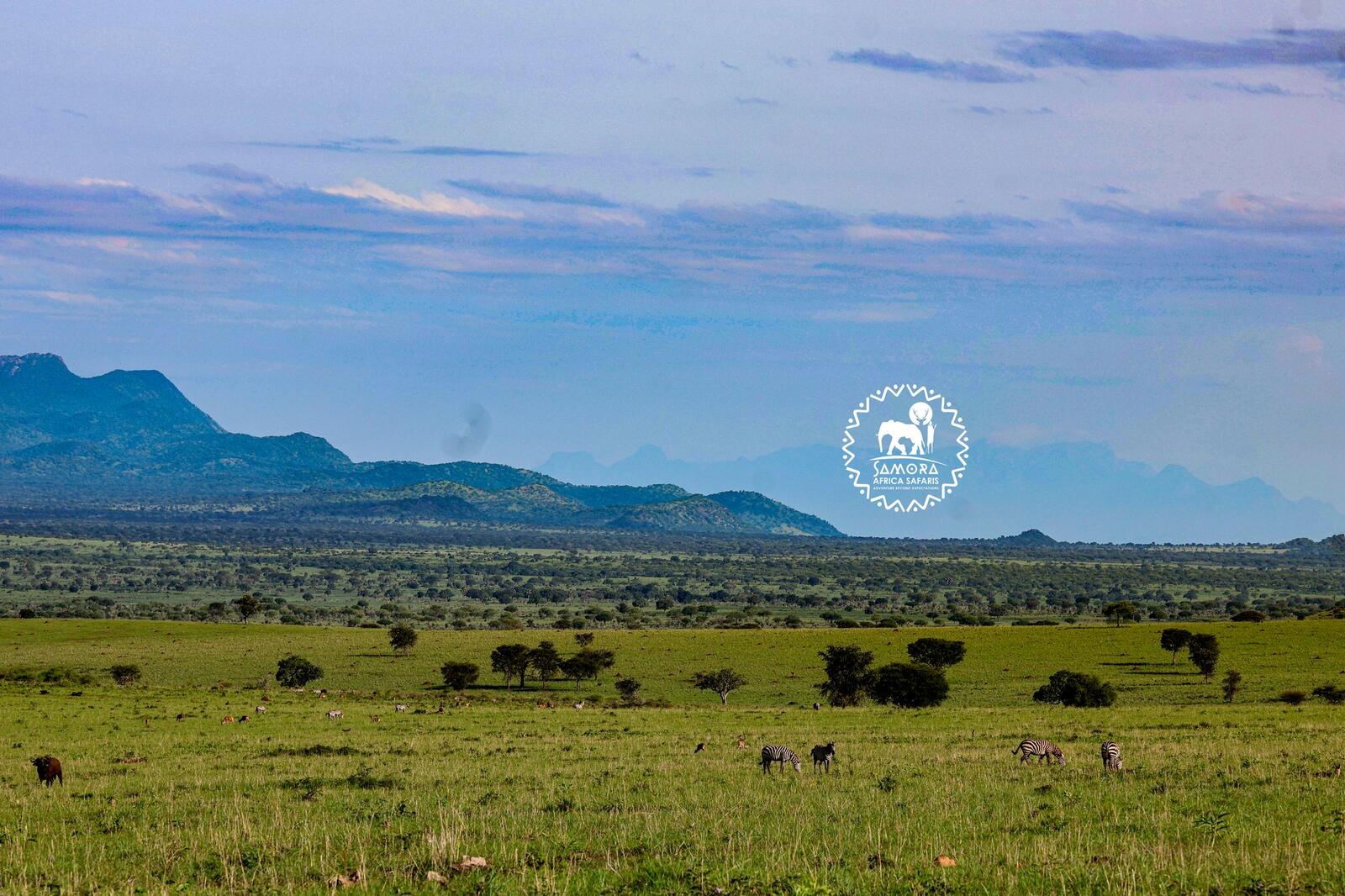
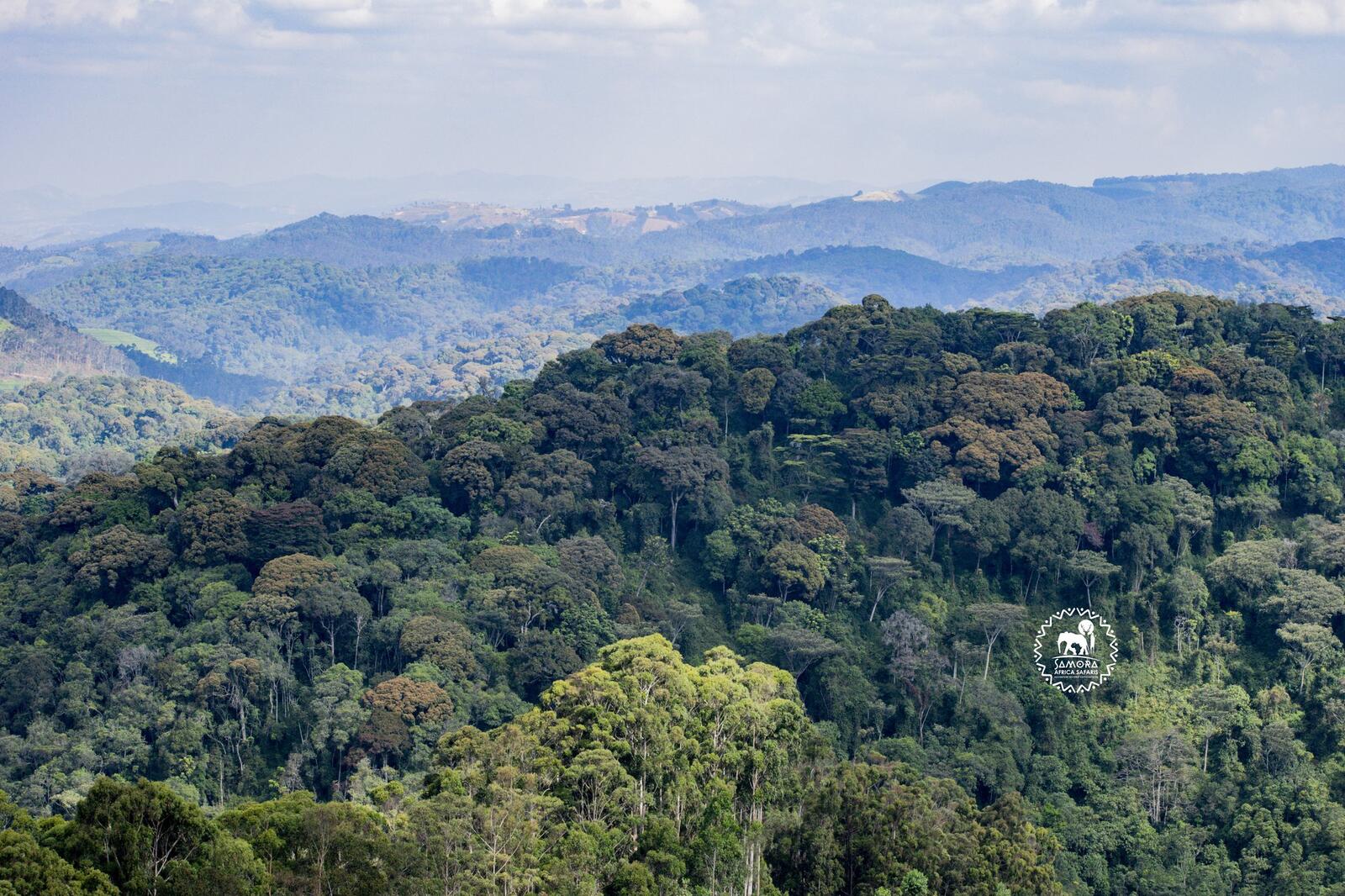
The park features a mix of savannah plains, woodlands, wetlands, and lakes, creating a diverse ecosystem within the Ankole region.
Its location along the Kampala–Mbarara Highway makes it an ideal stopover, allowing visitors to combine Lake Mburo’s savannah experiences with rainforest adventures in Bwindi Impenetrable National Park or Mgahinga Gorilla National Park.
Why Visit Lake Mburo National Park?
Lake Mburo National Park offers a distinctive safari experience through its scenic landscapes, rich biodiversity, and diverse activities that showcase the natural and cultural heritage of western Uganda.
- Unique Wildlife Encounters: Discover a variety of savannah species in their natural habitats while enjoying a peaceful and less crowded safari experience.
- Guided Walking Safaris: Experience Uganda’s only national park offering guided walking safaris, providing a closer connection with nature through exploration on foot.
- Scenic Landscapes: Explore the park’s varied scenery, including open grasslands, woodlands, wetlands, and lakes that create a unique savannah environment.
- Exceptional Birdlife: Enjoy birdwatching opportunities with more than 350 recorded species found across the park’s diverse habitats.
- Adventure Experiences: Take part in activities beyond traditional game viewing, including boat trips, cycling, horseback riding, and cultural encounters.
- Convenient Location: Positioned along the Kampala–Mbarara Highway, the park provides a convenient stopover for travellers connecting Entebbe with southwestern Uganda’s gorilla trekking destinations.
Wildlife and Biodiversity
Despite its small size, Lake Mburo National Park supports a remarkable variety of wildlife across its savannah, woodland, and wetland ecosystems.
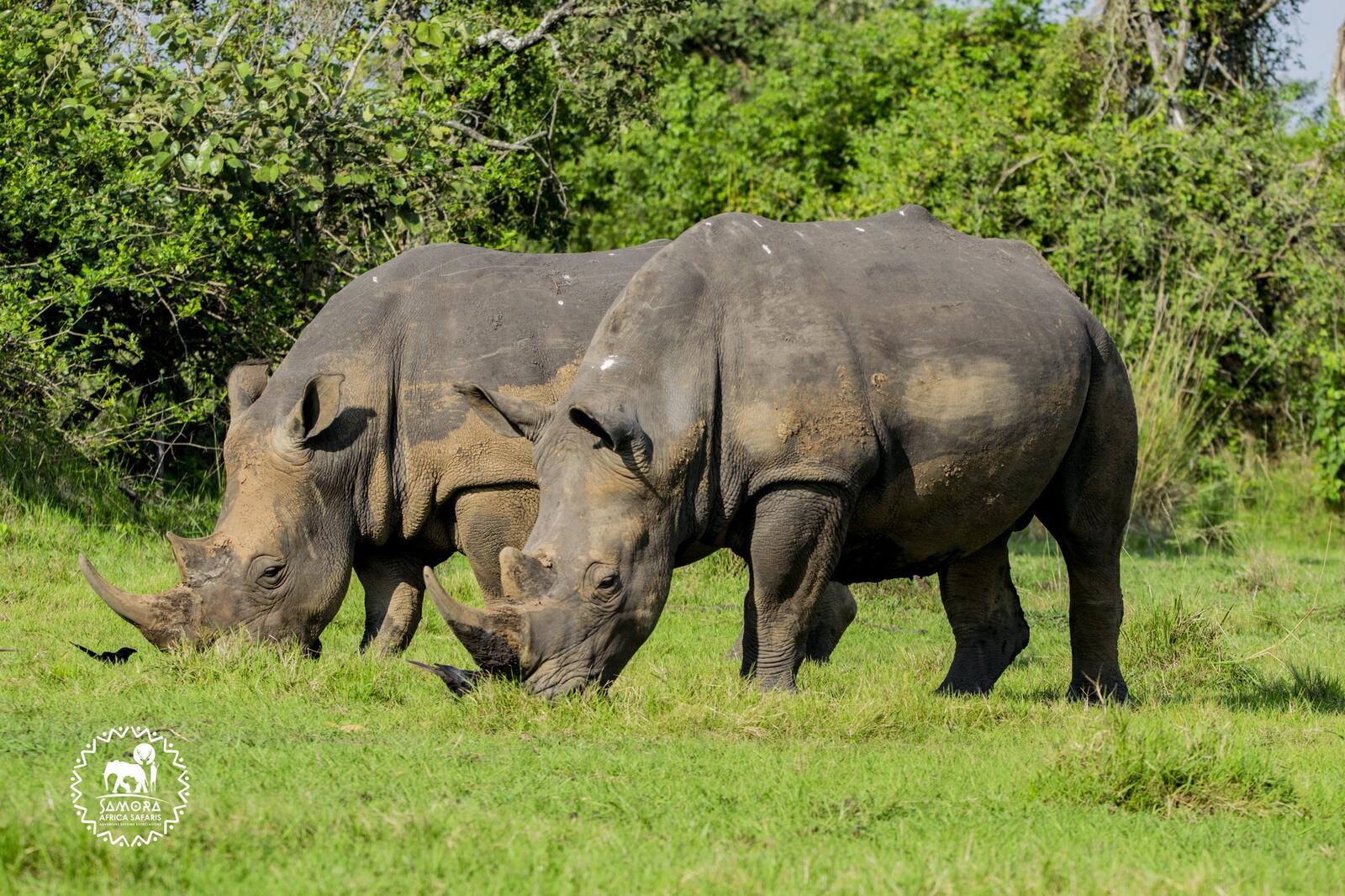
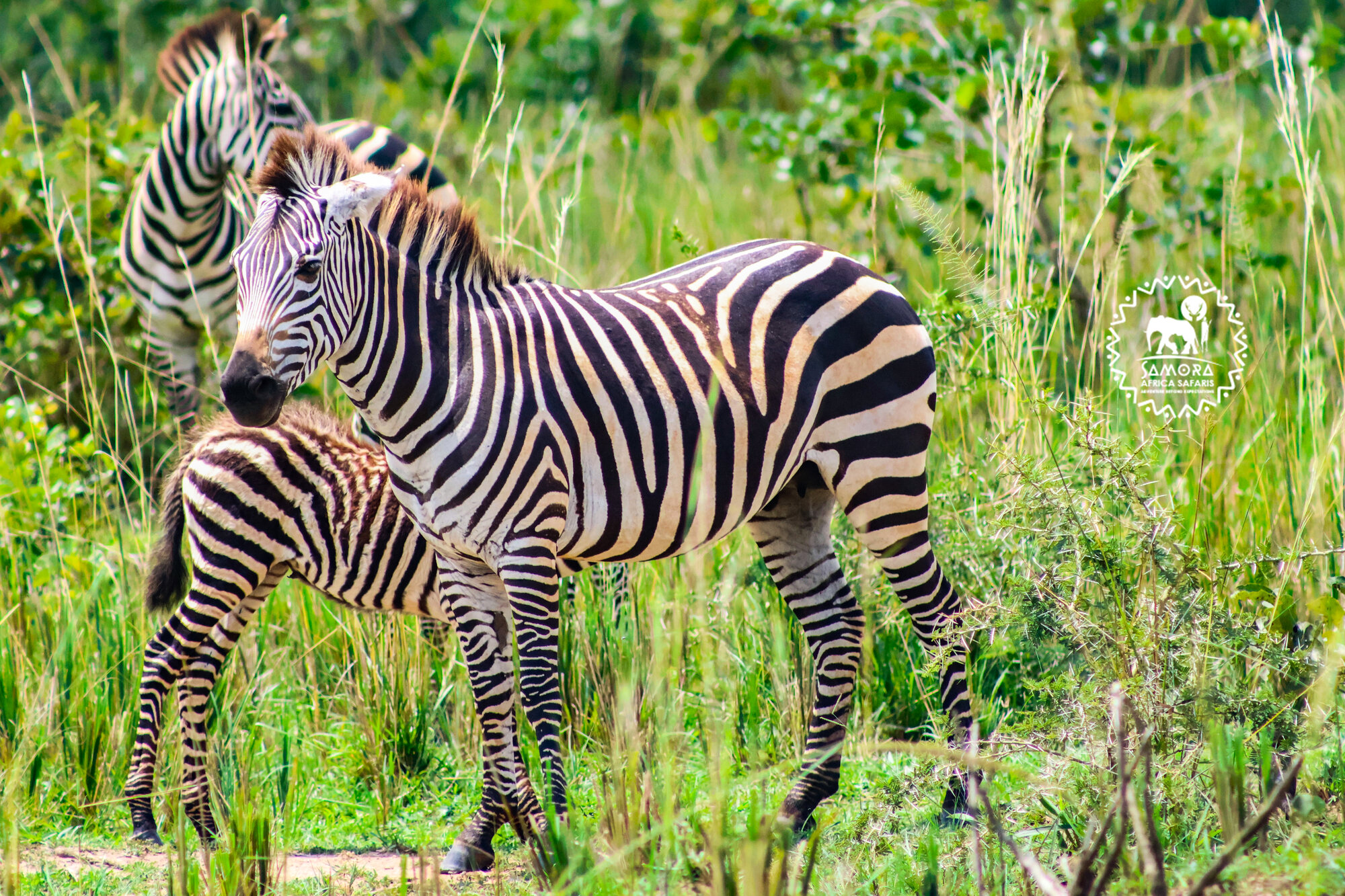
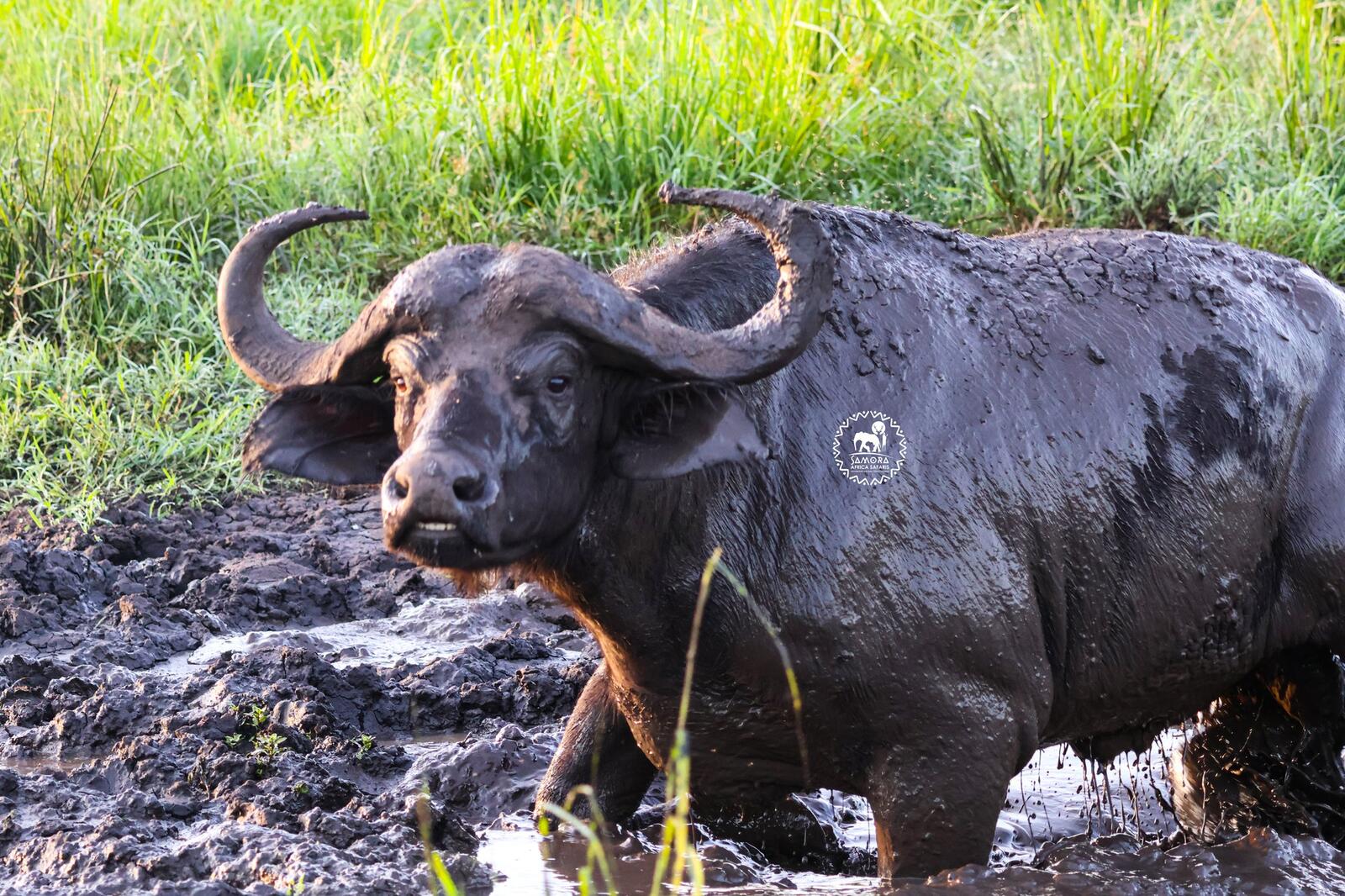
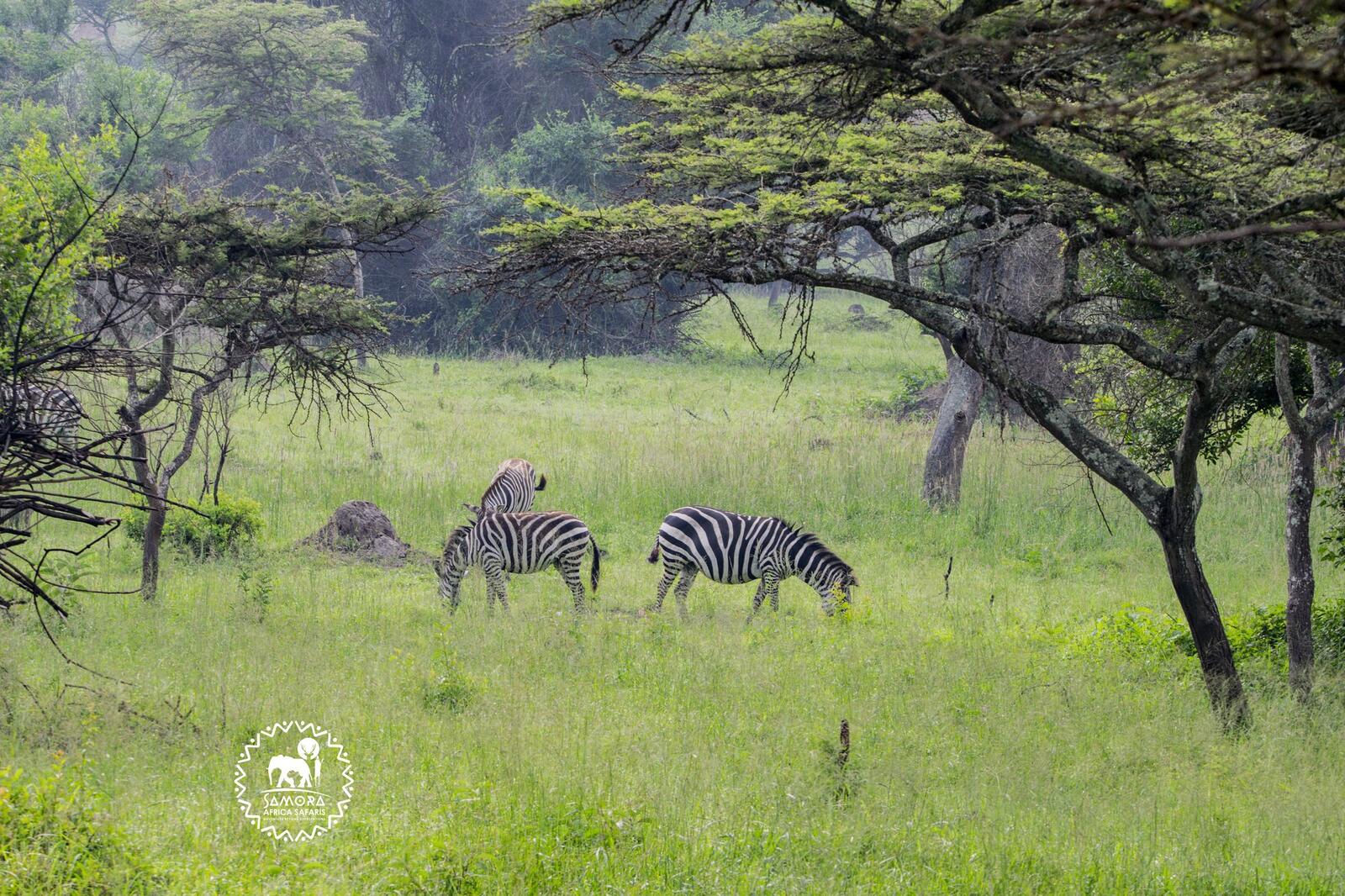
The park is home to more than 60 mammal species, including notable animals such as:
- Zebras
- Giraffes
- African buffaloes
- Hippos
- Topis
- Elands
- Impalas
The combination of open savannah, woodland, and wetland habitats creates excellent conditions for wildlife viewing throughout the year.
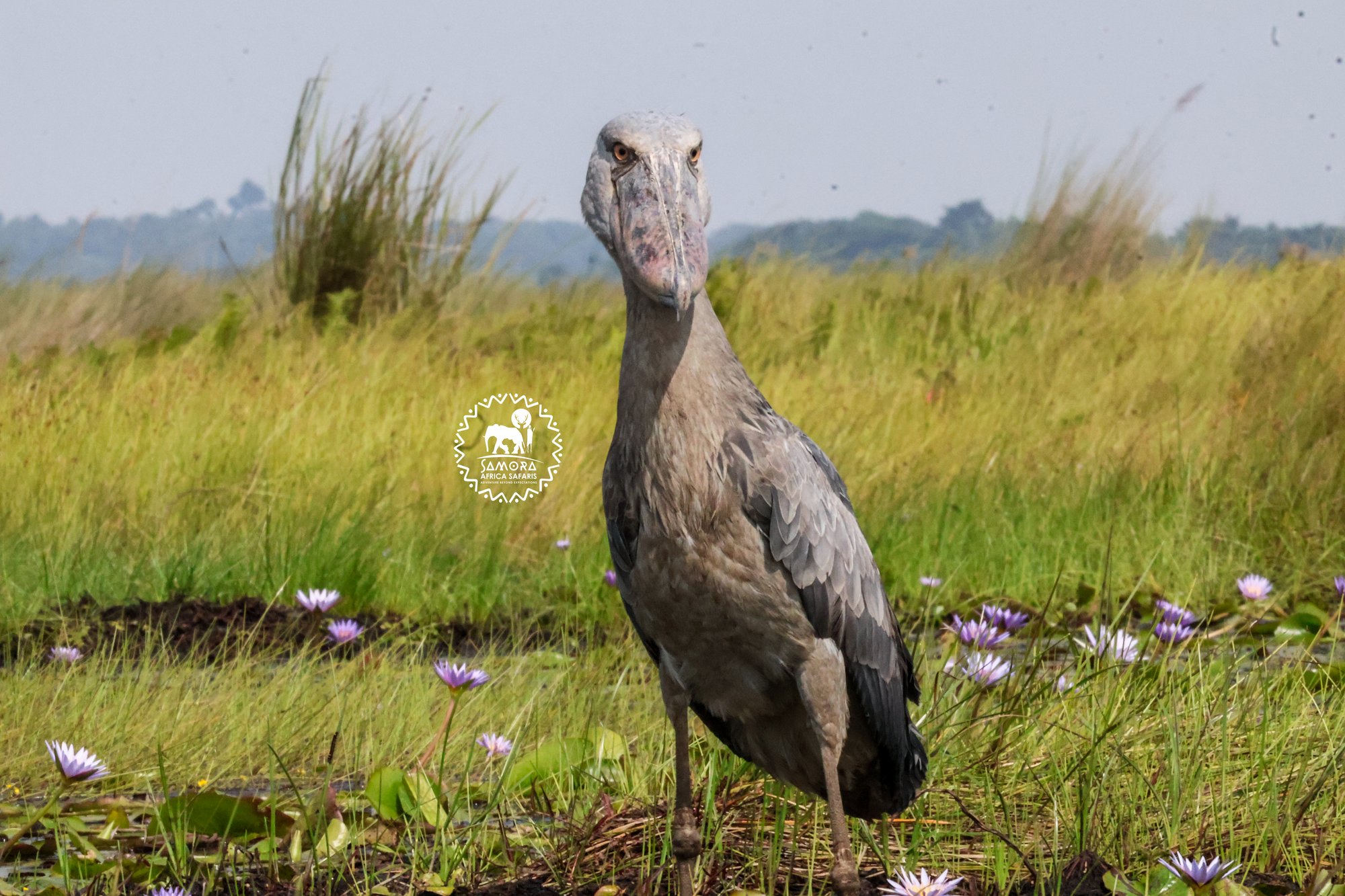
The park also supports diverse birdlife, with more than 350 recorded species, including water birds, woodland species, and savannah birds supported by its diverse habitats.
Landscapes and Ecosystems
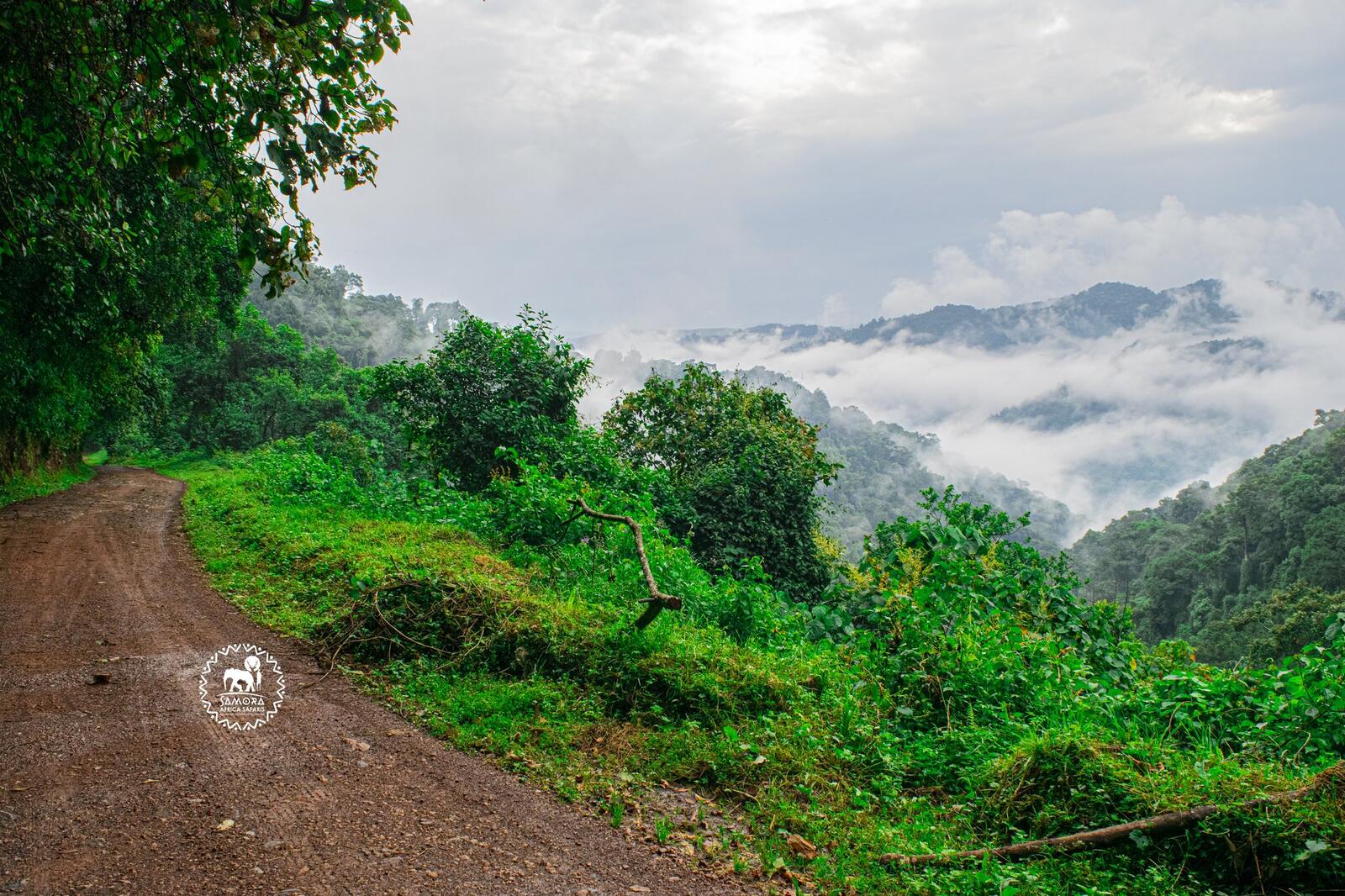
Lake Mburo National Park is characterised by a variety of habitats, including open savannah, woodlands, wetlands, and seasonal water systems that shape its scenery and ecological importance.
Open Savannah
The park’s rolling savannah plains form its dominant landscape, featuring grasslands and scattered vegetation that create the classic scenery of Uganda’s savannah parks.
These open areas provide excellent views of the landscape and support a variety of wildlife species adapted to the park’s semi-arid environment.
Woodland Areas
Acacia woodlands and scattered trees add diversity to Lake Mburo’s landscape, providing shelter and feeding areas for wildlife and bird species.
These habitats contribute to the park’s ecological balance and support species suited to woodland and semi-arid conditions.
Wetlands and Lakes
The lakes and wetlands within Lake Mburo National Park are important ecosystems that support aquatic habitats, water birds, and other wildlife.
These water-rich environments enhance the park’s scenery and provide opportunities for activities such as boat trips and nature exploration.
Top Attractions in Lake Mburo National Park
Lake Mburo National Park offers a variety of attractions that highlight its wildlife, landscapes, and unique nature experiences within one of Uganda’s most accessible savannah destinations.
Wildlife Diversity
The park’s rich wildlife population, including zebras, giraffes, antelopes, buffaloes, and other savannah species, makes it a rewarding destination for wildlife enthusiasts.
Lake Mburo
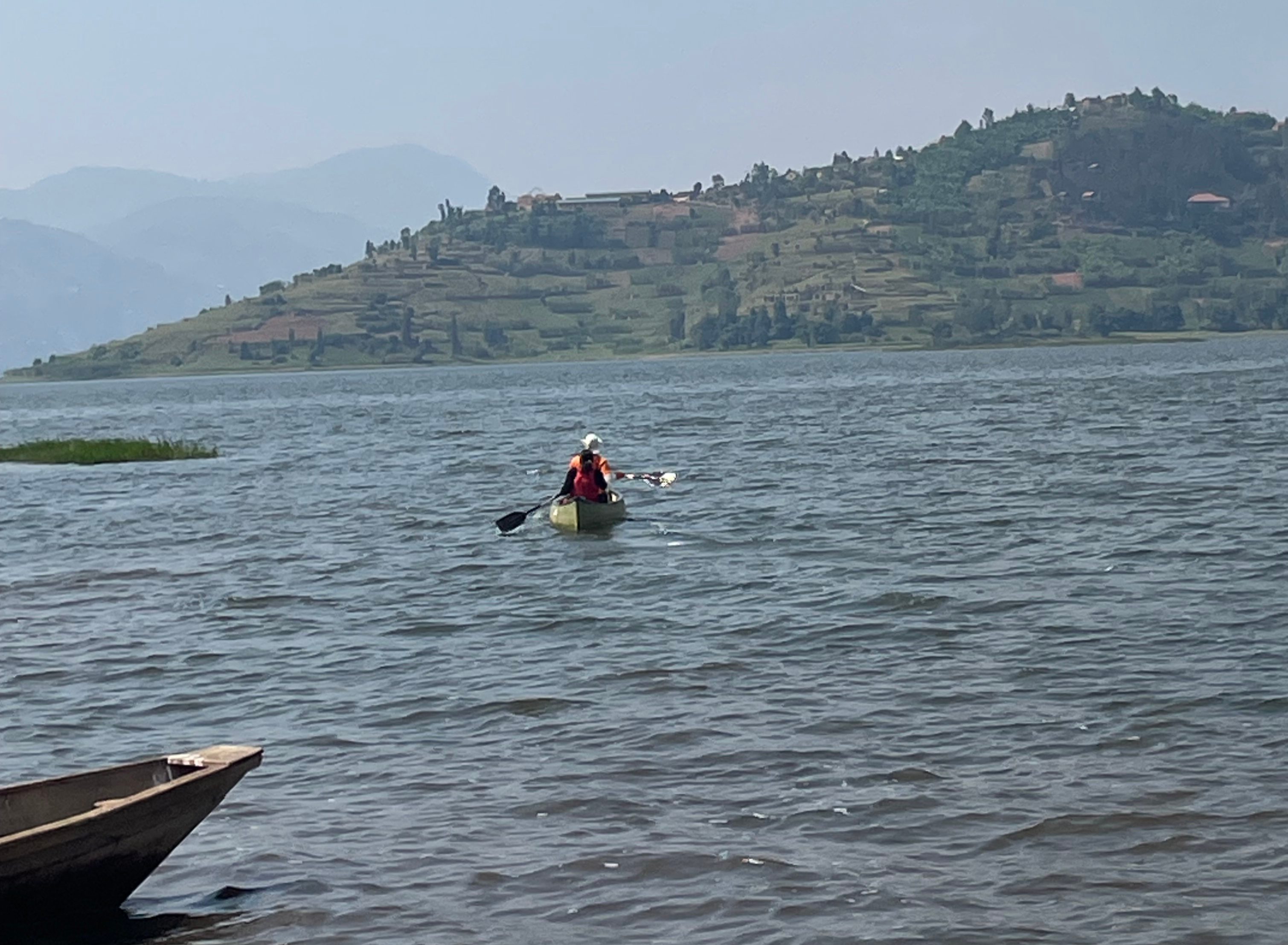
Lake Mburo National Park is home to several lakes, including the scenic Lake Mburo, the park’s largest lake.
Visitors can enjoy beautiful landscapes, observe aquatic wildlife and water birds, and experience peaceful views across the surrounding wilderness.
Birdlife
With more than 350 recorded bird species, Lake Mburo is an excellent birdwatching destination, supporting a variety of water birds, woodland species, and savannah birds.
Walking Safari Experience
Lake Mburo offers Uganda’s only guided walking safari experience, allowing visitors to explore the wilderness on foot and experience nature from a closer perspective.
Top Activities to Do in Lake Mburo National Park
Lake Mburo National Park provides a variety of activities that allow visitors to experience its wildlife, landscapes, and cultural heritage in memorable ways.
- Game Drives: Explore the park’s open savannah landscapes in search of zebras, giraffes, buffaloes, antelopes, and other wildlife species.
- Guided Nature Walks: Experience Uganda’s only guided walking safari while exploring the park on foot and observing wildlife and birdlife at close range.
- Boat Trips: Cruise on Lake Mburo to view hippos, crocodiles, water birds, and the park’s peaceful wetland environment.
- Horseback Riding: Discover the park on horseback while enjoying close encounters with wildlife across its scenic landscapes.
- Cycling: Explore the park’s surroundings by bicycle while enjoying its natural scenery and opportunities for wildlife sightings.
- Cultural Experiences: Learn about the traditions and lifestyle of the Bahima people, whose heritage is closely linked to cattle keeping in the Lake Mburo region.
Climate and Best Time to Visit Lake Mburo National Park
Lake Mburo National Park experiences a warm tropical climate with distinct dry and wet seasons. Weather patterns influence vegetation, wildlife visibility, and outdoor activities, although the park can be visited throughout the year.
Drier Seasons (June to August & December to February)
The dry seasons are generally considered the best time for wildlife viewing, as animals are easier to spot around water sources and shorter vegetation improves visibility.
These months also provide favourable conditions for game drives, guided nature walks, cycling, and other outdoor experiences.
Wetter Seasons (March to May & September to November)
The rainy seasons transform the park into a greener landscape, with fresh vegetation and vibrant scenery creating excellent conditions for photography and nature exploration.
Although some roads and trails may become muddy, visitors can still enjoy birdwatching, scenic views, and other activities during these periods.
Year-Round Travel Considerations
Lake Mburo National Park is suitable for travel throughout the year, with each season offering different advantages.
The dry months are preferred for easier wildlife viewing and outdoor activities, while the wetter seasons appeal to travellers seeking lush scenery, active birdlife, and a quieter experience.
Accommodation Near Lake Mburo National Park
Visitors to Lake Mburo National Park can choose from a variety of accommodation options, including lodges, tented camps, and guesthouses located within the park and nearby areas.
These properties provide easy access to wildlife viewing areas while offering peaceful settings surrounded by nature.
The park provides accommodation choices for different travel preferences and budgets.
Luxury lodges offer premium facilities and scenic settings, while midrange properties provide comfort and convenience.
Budget-friendly camps and guesthouses offer comfortable stays for travellers looking for affordable accommodation.
Each accommodation option provides a comfortable base for enjoying game drives, walking safaris, and boat trips while discovering Lake Mburo’s landscapes.