Kibale National Park
Uganda Western Uganda, Fort Portal
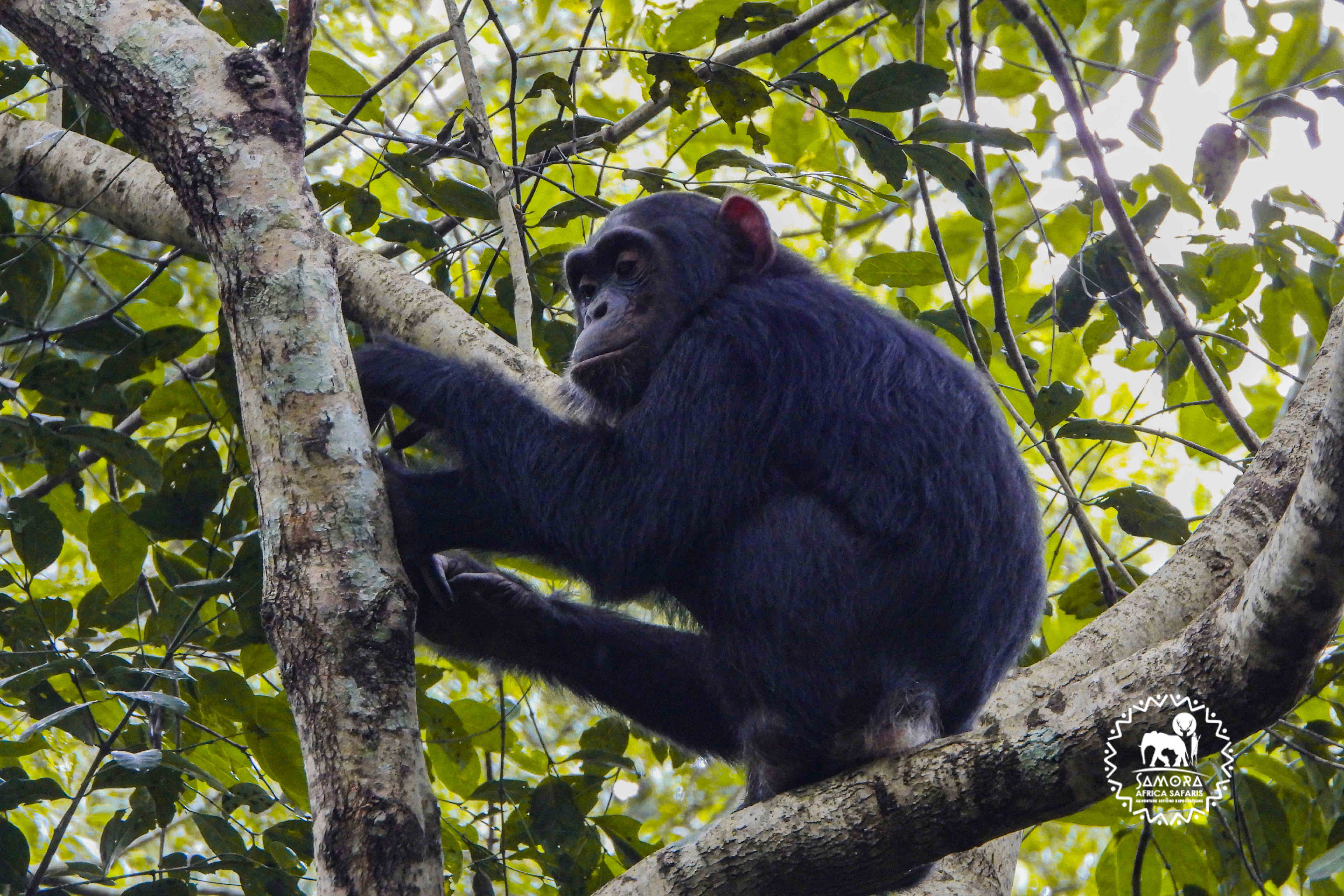
Kibale National Park, Uganda
Kibale National Park (also known as Kibale Forest National Park) is located in western Uganda, across Kabarole, Kamwenge, Kyenjojo, and Kyegegwa districts.
The park covers approximately 795 square kilometres and protects a tropical rainforest ecosystem renowned for its exceptional biodiversity.
It is recognised as Uganda’s leading chimpanzee tracking destination, home to more than 1,500 chimpanzees and one of Africa’s most important primate populations.
Alongside its famous primates, the park supports diverse birds, butterflies, forest mammals, and plant species, attracting wildlife enthusiasts and nature lovers worldwide.
Why Visit Kibale National Park
Kibale National Park offers remarkable rainforest experiences, outstanding primate encounters, and diverse natural attractions, making it one of Uganda’s most rewarding wildlife destinations.
Chimpanzee Tracking
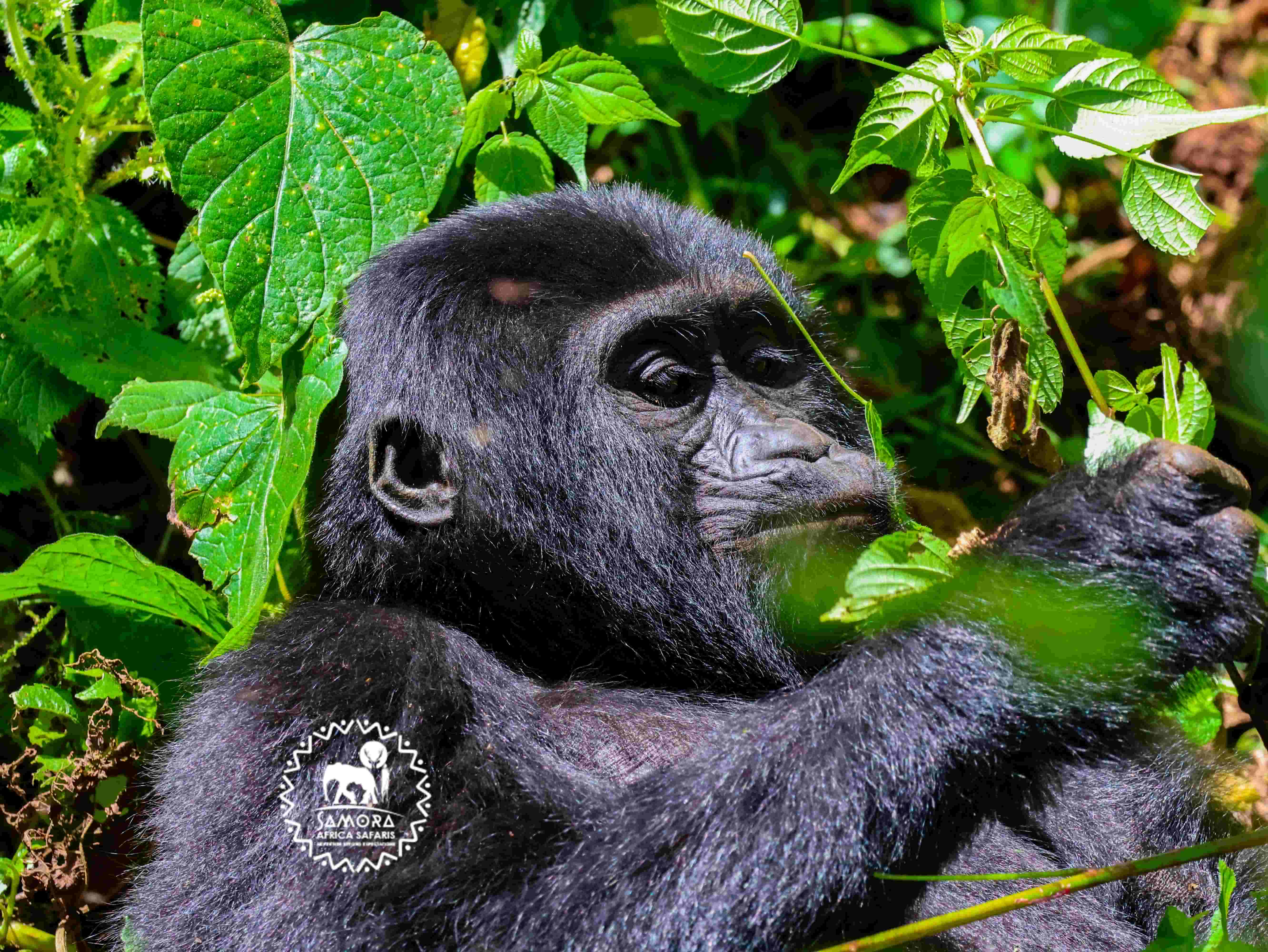
Home to more than 1,500 chimpanzees, Kibale offers some of Africa’s best opportunities to observe these intelligent primates in their natural forest habitat.
Rich Primate Diversity
The park supports 13 primate species, including red-tailed monkeys and black-and-white colobus monkeys, making it one of East Africa’s key primate habitats.
Ancient Tropical Rainforest
Kibale’s rainforest protects complex ecosystems filled with diverse plant life, forest mammals, butterflies, and numerous wildlife species.
Outstanding Birdlife
With more than 370 bird species, including the rare green-breasted pitta, Kibale offers rewarding experiences for birdwatchers and nature enthusiasts.
Bigodi Wetland Sanctuary
Located near the park, this community-managed conservation area provides guided nature walks through wetlands rich in birds, primates, and native vegetation.
Scenic Crater Lakes
The volcanic crater lakes surrounding Kibale offer beautiful viewpoints, photography opportunities, and peaceful natural experiences.
Wildlife in Kibale National Park
Kibale National Park protects one of Uganda’s richest rainforest ecosystems, supporting a wide variety of primates, forest mammals, birds, butterflies, and reptiles.
Although the park is internationally famous for chimpanzees, its wildlife diversity extends far beyond these remarkable primates.
Chimpanzees
Kibale is home to more than 1,500 chimpanzees, offering visitors opportunities to observe these fascinating animals through guided tracking and habituation experiences.
Other Primates
Recognised as one of East Africa’s most important primate habitats, Kibale supports 13 primate species across its diverse forest ecosystem.
Notable species include:
- Red colobus monkeys
- Black-and-white colobus monkeys
- Red-tailed monkeys
- Blue monkeys
- Grey-cheeked mangabeys
- L’Hoest’s monkeys
- Olive baboons
- Vervet monkeys
Birds
Kibale is an important birdwatching destination, supporting more than 370 species across rainforest habitats, forest edges, and wetlands.
Its varied environments provide shelter for rare and regionally significant birds.
Notable species include:
- Green-breasted pitta
- African pitta
- Great blue turaco
- Black bee-eater
- Yellow-spotted barbet
Landscapes and Ecosystems of Kibale National Park
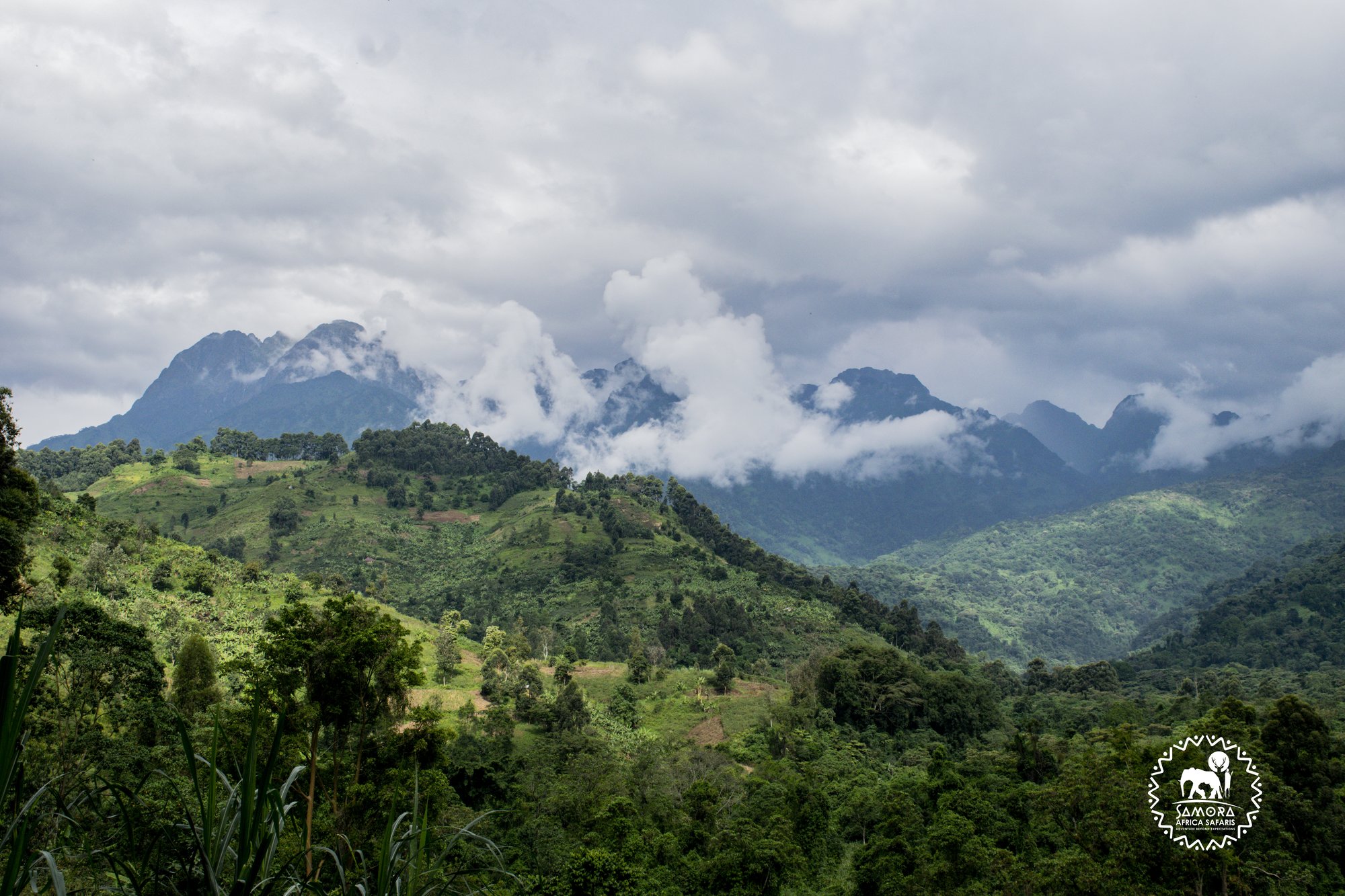
Kibale National Park features diverse landscapes shaped by rainforest, wetlands, volcanic formations, and surrounding hills.
These interconnected environments create important habitats for wildlife while providing scenic settings for exploration.
Tropical Rainforest
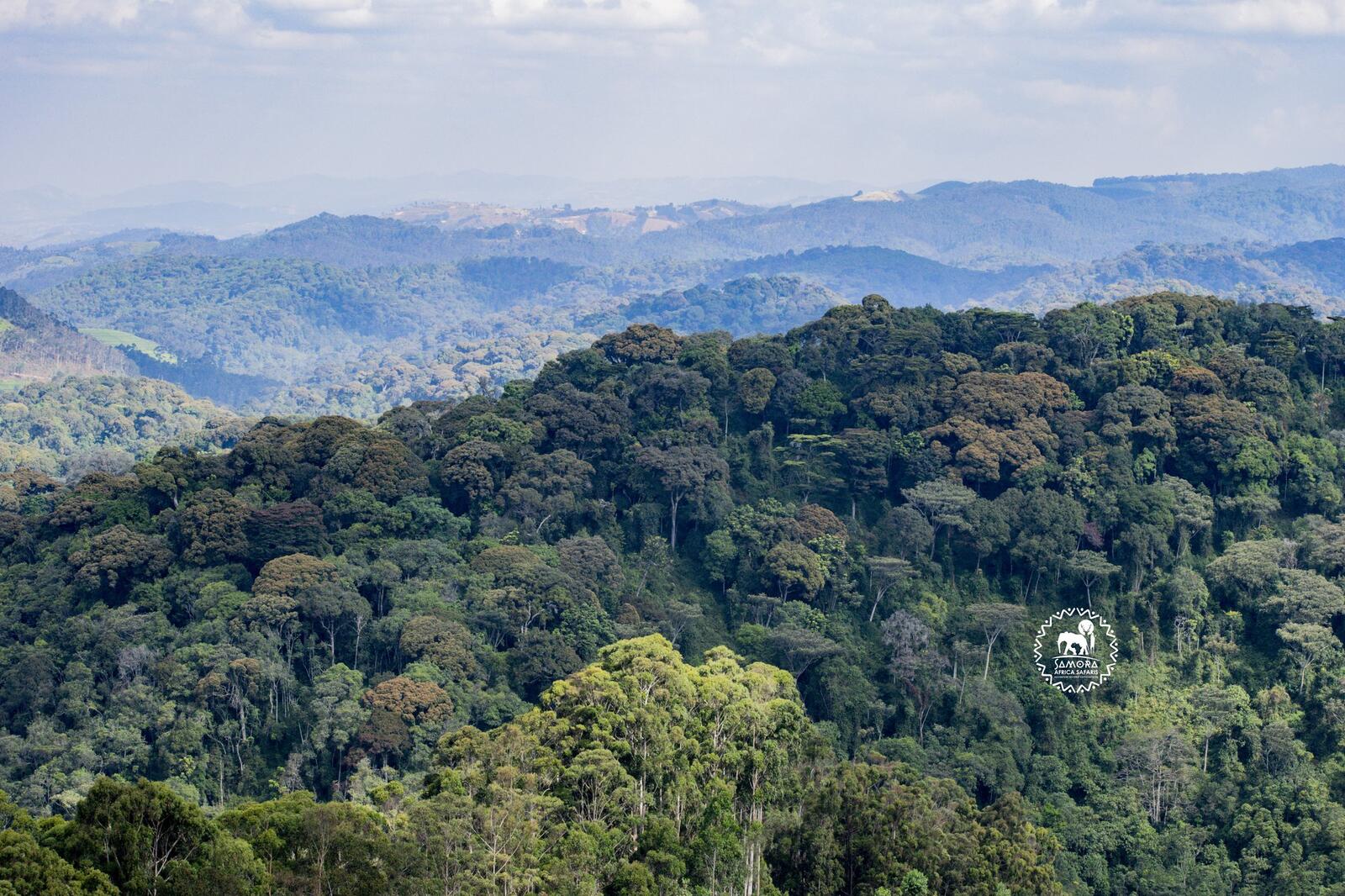
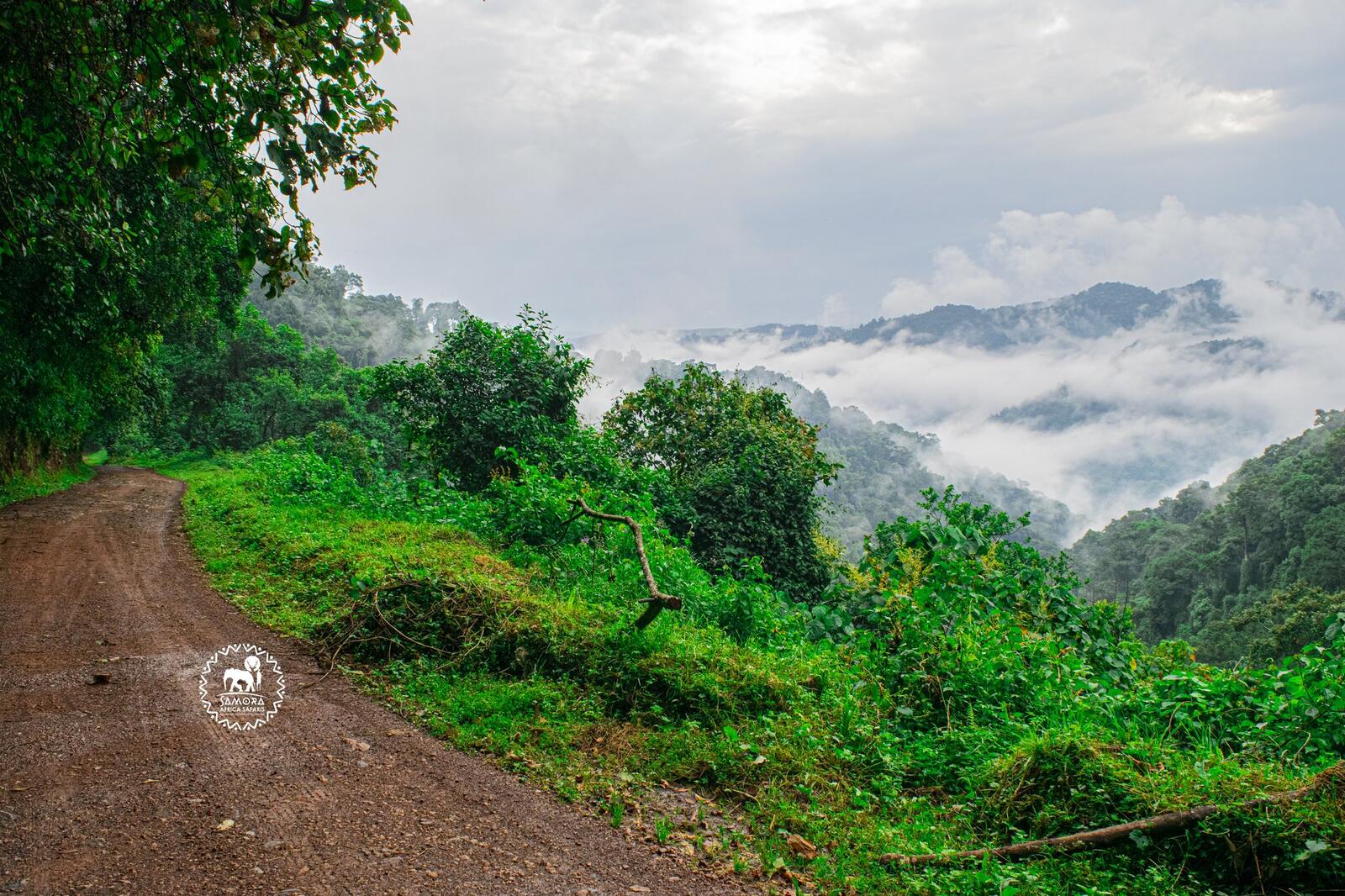
The rainforest forms the core of Kibale National Park, with dense vegetation, towering trees, and complex ecosystems.
It provides essential habitats for chimpanzees, other primates, forest mammals, birds, and numerous plant species.
Key highlights:
- Dense forest vegetation and towering tree canopies.
- Habitat for primates, forest mammals, and birds.
- Rich plant communities supporting a thriving ecosystem.
Wetlands
Wetland areas around Kibale add ecological variety by supporting bird species, plant communities, and other wildlife.
They also provide peaceful environments for guided walks and nature exploration.
Key highlights:
- Important habitats for wetland birds.
- Diverse vegetation and wildlife.
- Scenic locations for nature experiences.
Bigodi Wetland Sanctuary
Located near Kibale, Bigodi Wetland Sanctuary is a community-managed conservation area known for sustainable tourism and biodiversity protection.
Guided walks allow visitors to discover birds, primates, and local conservation initiatives.
Key highlights:
- Excellent birdwatching opportunities.
- Primates and other wildlife sightings.
- Community-led nature experiences.
Crater Lakes
The volcanic crater lakes surrounding Kibale create some of the region’s most scenic landscapes.
These natural formations provide peaceful locations for photography, sightseeing, and nature walks.
Key highlights:
- Panoramic crater viewpoints.
- Scenic walking trails.
- Relaxing natural surroundings.
Top Attractions in Kibale National Park
Kibale’s attractions highlight its wildlife, natural landscapes, and unique visitor experiences.
Chimpanzee Tracking Experience
The park’s signature experience allows visitors to follow guided forest trails in search of chimpanzees and learn about their behaviour and conservation.
Bigodi Wetland Sanctuary
This community-managed wetland offers guided walks through rich habitats where visitors can enjoy birdwatching, wildlife sightings, and cultural interactions.
Crater Lakes
The surrounding crater lakes provide scenic viewpoints, peaceful landscapes, and opportunities for photography and exploration.
Kibale Forest Trails
The park’s forest trails allow visitors to explore the rainforest on foot while discovering plants, birds, and smaller wildlife species.
Activities & Experiences in Kibale National Park
Kibale National Park offers activities that showcase its primates, rainforest environment, scenic landscapes, and surrounding communities.
- Chimpanzee Tracking: Explore forest trails with experienced guides while searching for chimpanzees in their natural habitat.
- Chimpanzee Habituation Experience: Spend extended time observing chimpanzees while learning about their behaviour and conservation.
- Birdwatching: Discover more than 370 bird species across forests, wetlands, and surrounding habitats.
- Guided Nature Walks: Explore rainforest trails while learning about plants, butterflies, and wildlife.
- Bigodi Wetland Walks: Experience community-led ecotourism through guided wetland walks and wildlife viewing.
- Crater Lake Exploration: Enjoy scenic walks, photography, and panoramic views around volcanic lakes.
- Community Visits: Visit nearby Batooro communities to learn about traditions and local lifestyles.
Climate and Best Time to Visit
Kibale National Park experiences a tropical rainforest climate with mild temperatures throughout the year due to its elevated location.
Average daytime temperatures range from 23–27°C (73–81°F), while nighttime temperatures typically range from 12–15°C (54–59°F).
Rainfall occurs throughout the year, with two relatively drier periods offering more favourable conditions for outdoor activities.
Dry Seasons (December to February & June to August)
The drier months provide ideal conditions for chimpanzee tracking, nature walks, and hiking.
Forest trails are generally less muddy, making it easier to explore the rainforest and enjoy outdoor experiences.
Wet Seasons (March to May & September to November)
The rainy months bring lush greenery and vibrant rainforest scenery, creating excellent opportunities for birdwatching and photography.
Although trails can become muddy after rainfall, chimpanzee tracking and wildlife encounters remain rewarding.
Year-Round Travel Consideration
Kibale National Park can be visited throughout the year, with dry seasons offering easier hiking and wetter months providing lush landscapes, abundant birdlife, and fewer visitors.
Accommodation in Kibale National Park
Kibale National Park offers accommodation options suitable for different travel styles, preferences, and budgets.
Visitors can choose from luxury lodges, mid-range accommodation, budget-friendly stays, and camping experiences.
Accommodation is available near the park’s tourism areas, within the surrounding forest region, and in Fort Portal City.
Lodges near the park provide convenient access to chimpanzee tracking, forest walks, birdwatching, and other activities.
Accommodation in Fort Portal City allows visitors to drive to the park and arrive in time for early morning forest activities.
Luxury
Luxury lodges provide premium services, excellent facilities, and scenic forest surroundings for an exclusive rainforest experience.
Mid-Range
Mid-range lodges offer a balance of location, affordability, and comfort for visitors exploring Kibale.
Budget
Budget-friendly accommodations provide practical facilities and suitable locations for travellers seeking affordable options.
Camping
Camping offers a closer connection to Kibale’s rainforest environment through simple and memorable outdoor experiences.