Kidepo Valley National Park
Uganda Northeastern Uganda
Kidepo Valley National Park
Kidepo Valley National Park is located in northeastern Uganda, bordering South Sudan and Kenya. Covering approximately 1,442 square kilometres, the park was gazetted as a national park in 1962.
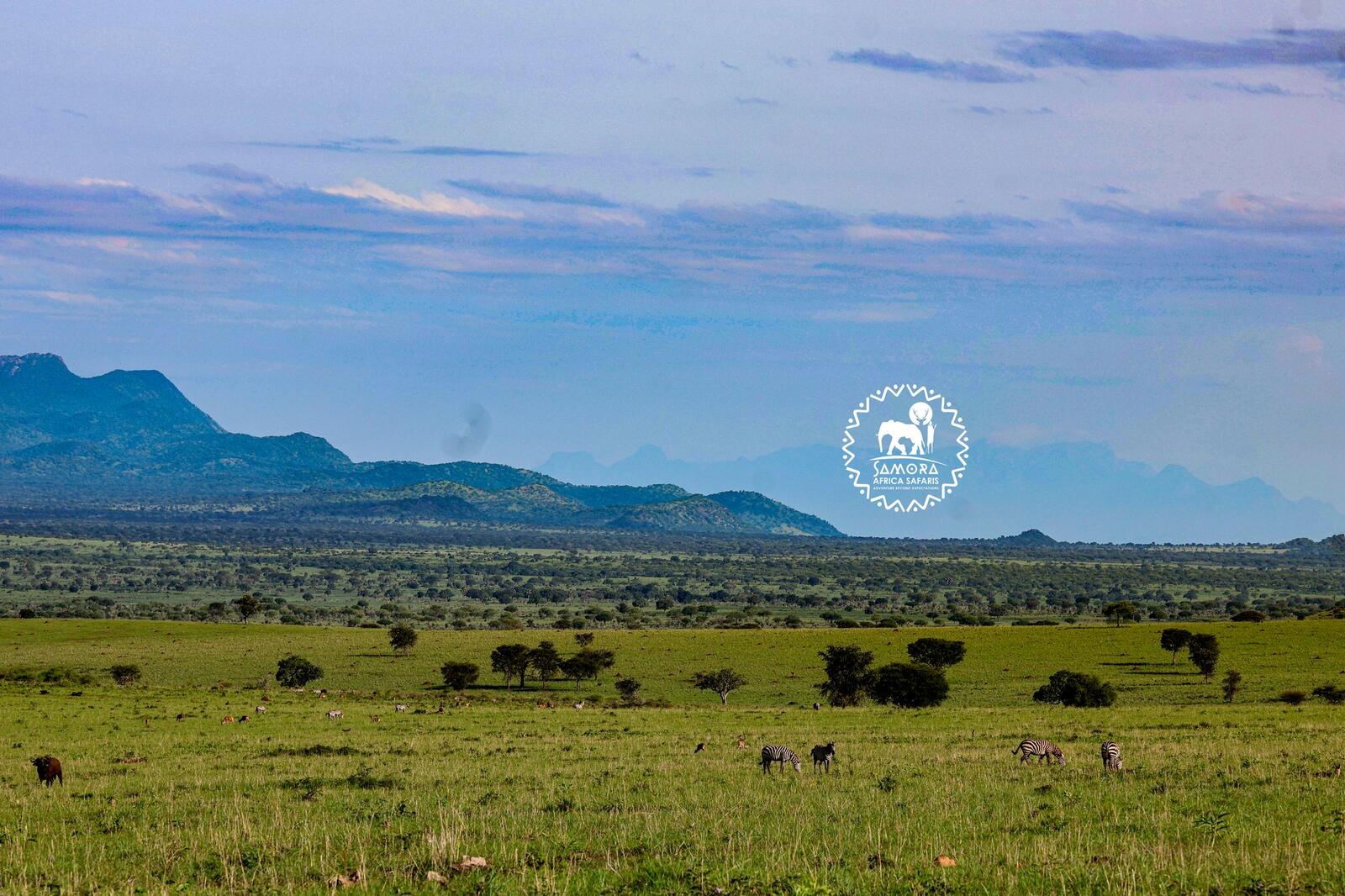
Known as Uganda’s most remote national park, Kidepo is characterised by vast semi-arid savannahs, rugged mountain landscapes, open plains, and seasonal river valleys that create a distinctive wilderness setting.
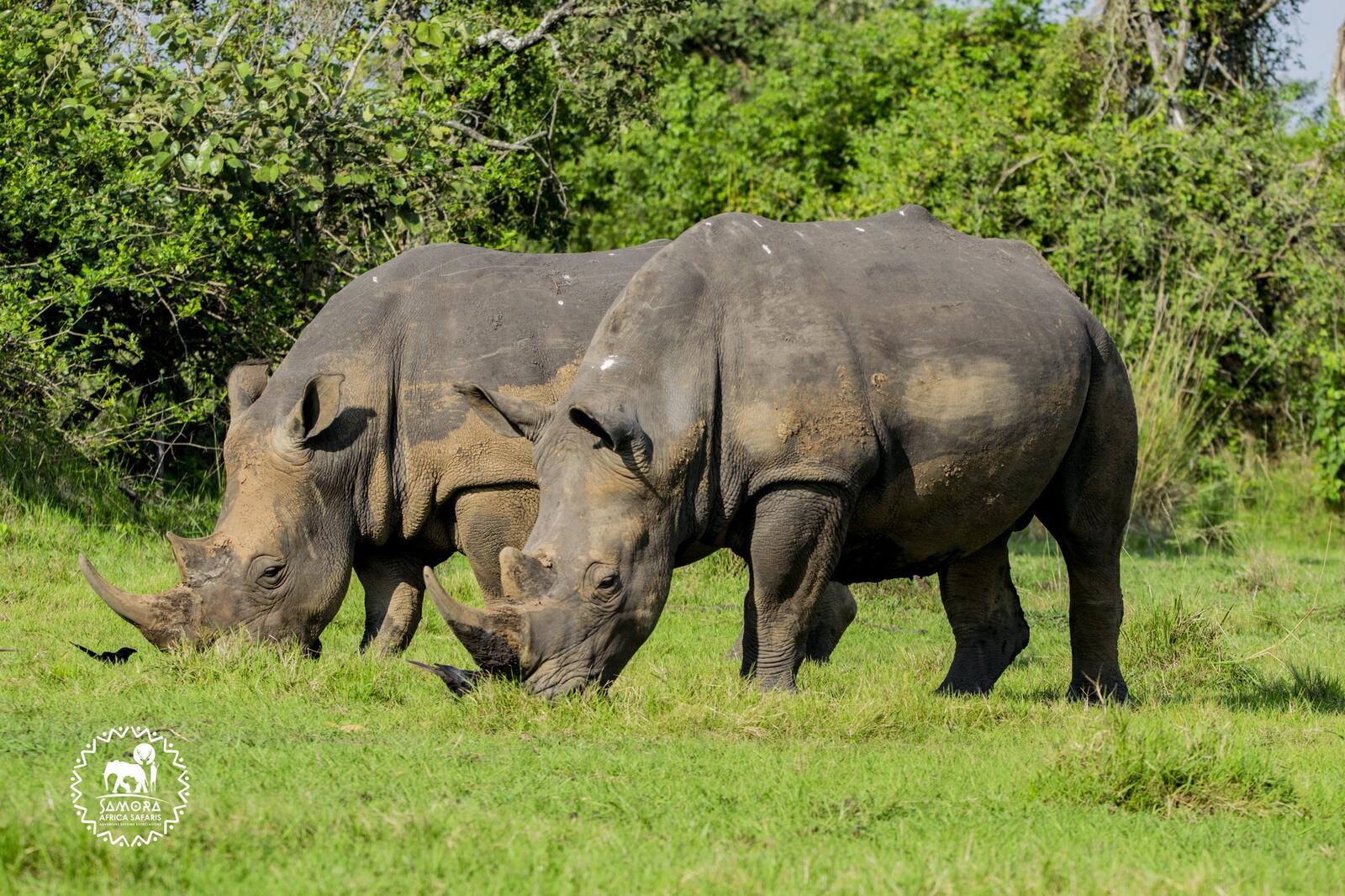
The park supports an exceptional variety of wildlife, including several rare and endangered species that are uncommon in other parts of Uganda.
Its remarkable scenery, rich biodiversity, and outstanding game-viewing opportunities make Kidepo one of Uganda’s premier safari destinations.
Why Visit Kidepo Valley National Park
Kidepo Valley National Park is one of Uganda’s most remarkable safari destinations, offering exceptional wildlife encounters, spectacular landscapes, and authentic cultural experiences.
Its remote location and uncrowded environment provide travellers with the opportunity to explore Uganda’s wilderness in a peaceful and authentic setting.
Top Reasons to Visit Kidepo Valley National Park
Untouched African Wilderness
Kidepo offers a rare wilderness experience, featuring expansive savannahs, open landscapes, and fewer visitors compared to many other national parks in Uganda.
Its remote setting provides a peaceful environment for travellers seeking a closer connection with nature.
Exceptional Wildlife Viewing
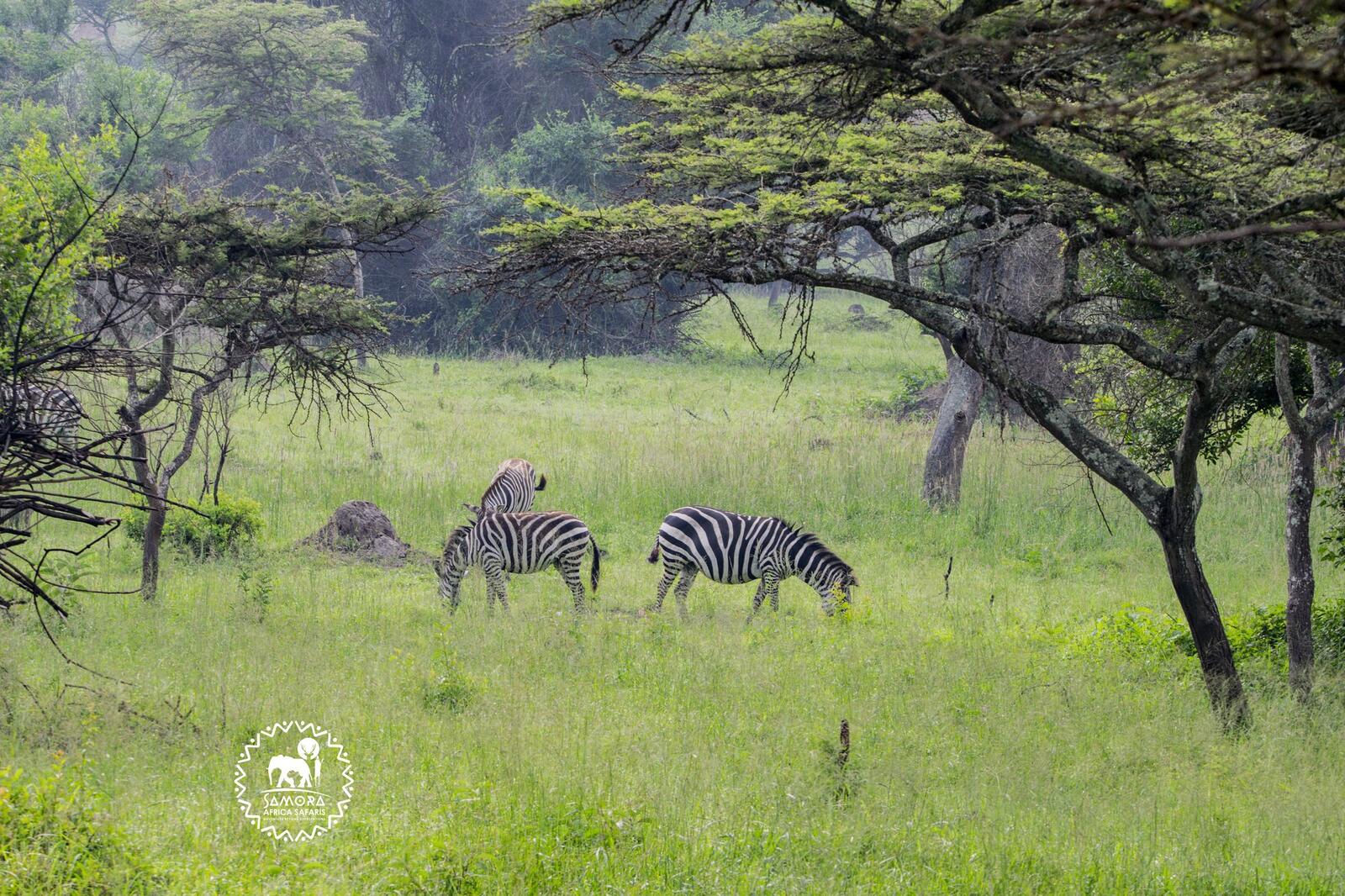
The park’s vast plains provide excellent game-viewing opportunities, with chances to encounter lions, elephants, buffaloes, giraffes, cheetahs, and numerous antelope species in their natural habitats.
Rare and Endangered Species
Kidepo protects several species that are uncommon elsewhere in Uganda, including cheetahs, ostriches, and specialised antelope species adapted to the region’s semi-arid conditions.
Spectacular Savannah Landscapes
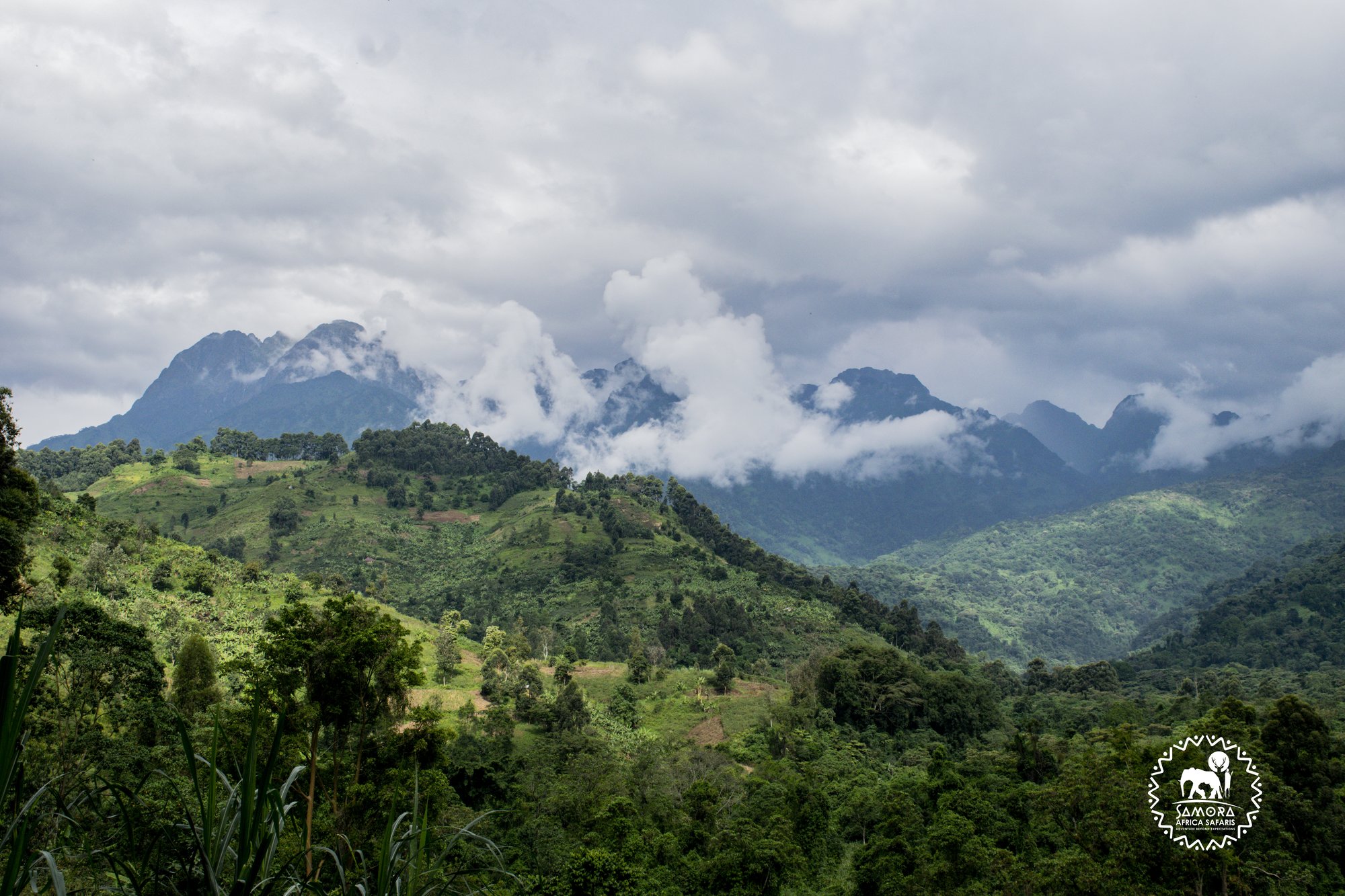
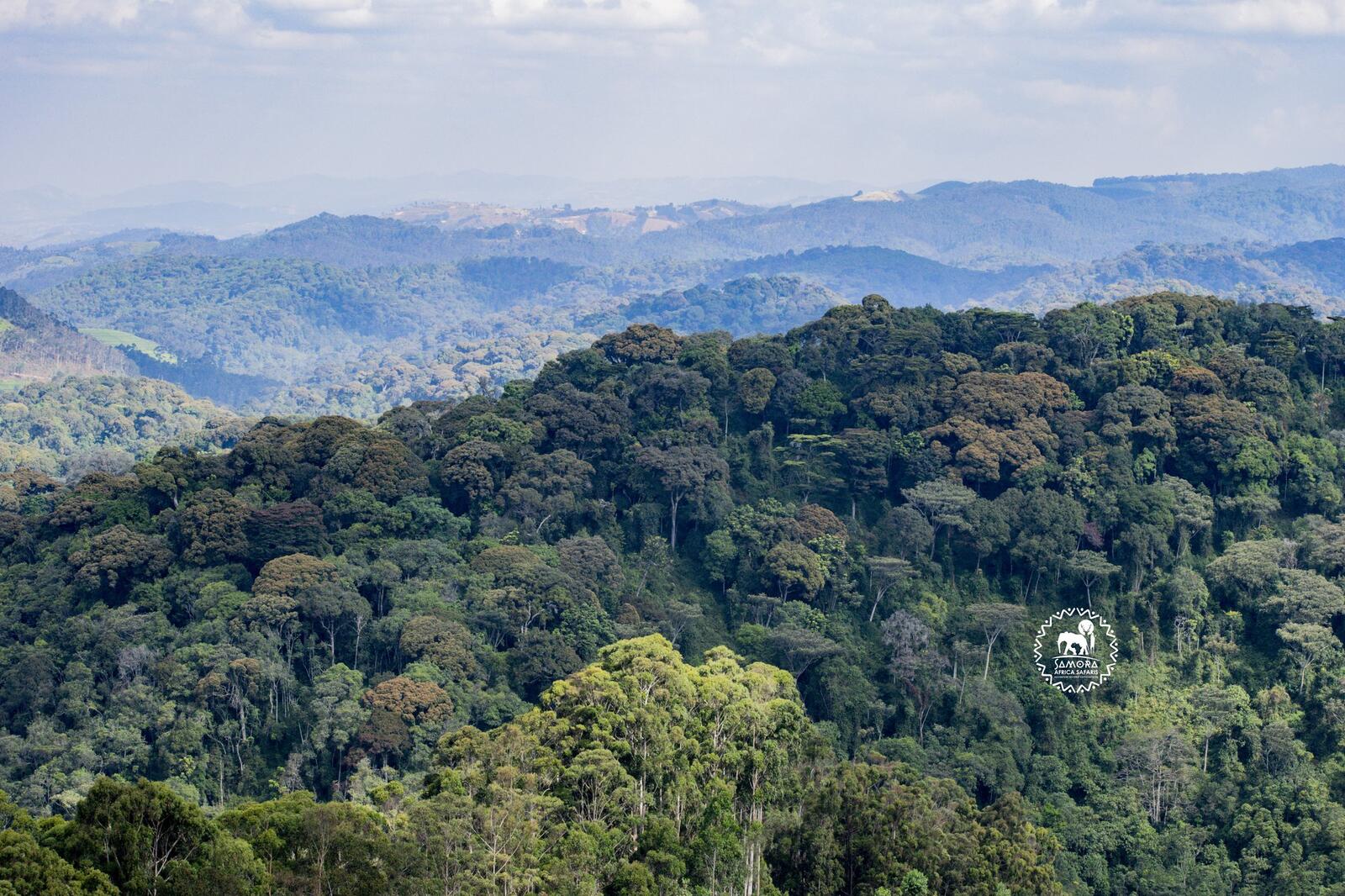
The park features impressive scenery of open grasslands, rugged mountains, seasonal rivers, and dramatic valleys, creating a striking backdrop for wildlife viewing and exploration.
Rich Birdlife
With more than 470 recorded bird species, Kidepo is an excellent destination for bird enthusiasts, supporting savannah birds, raptors, and dryland species adapted to the region’s unique environment.
Authentic Karamojong Culture
Visitors can discover the traditions of the Karamojong people through community visits that showcase their customs, pastoral lifestyle, cattle-keeping practices, and cultural heritage.
Wildlife in Kidepo Valley National Park
Kidepo Valley National Park supports a remarkable variety of wildlife across its savannah plains, seasonal rivers, and diverse habitats.
The park is particularly known for exceptional game viewing and for protecting several species that are rare or less commonly found in other parts of Uganda.
Savannah Wildlife
The park’s open grasslands provide suitable habitats for a wide range of savannah animals, including notable species such as:
- African bush elephants
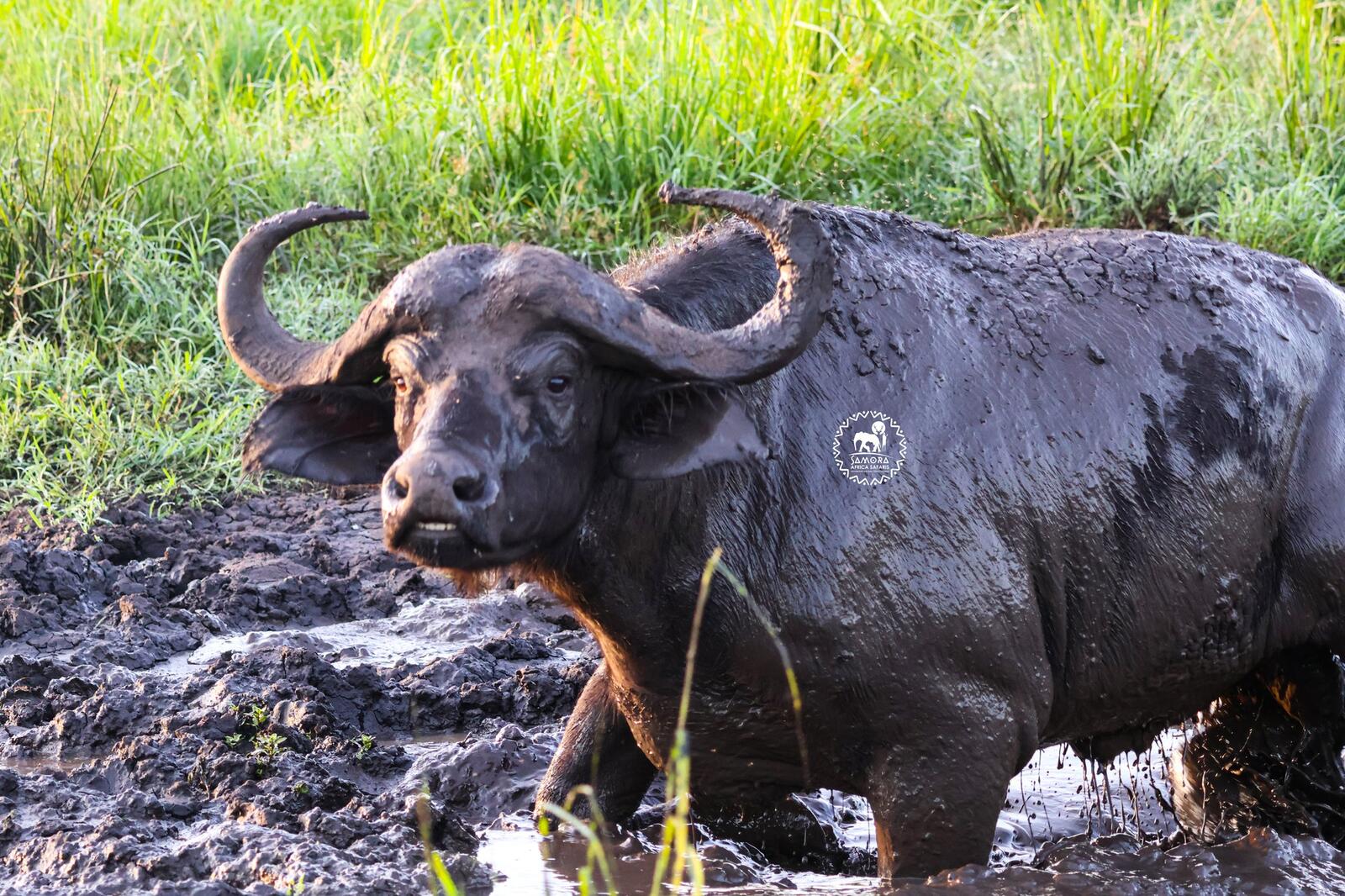
- African buffaloes
- Lions
- Cheetahs
- Rothschild’s giraffes
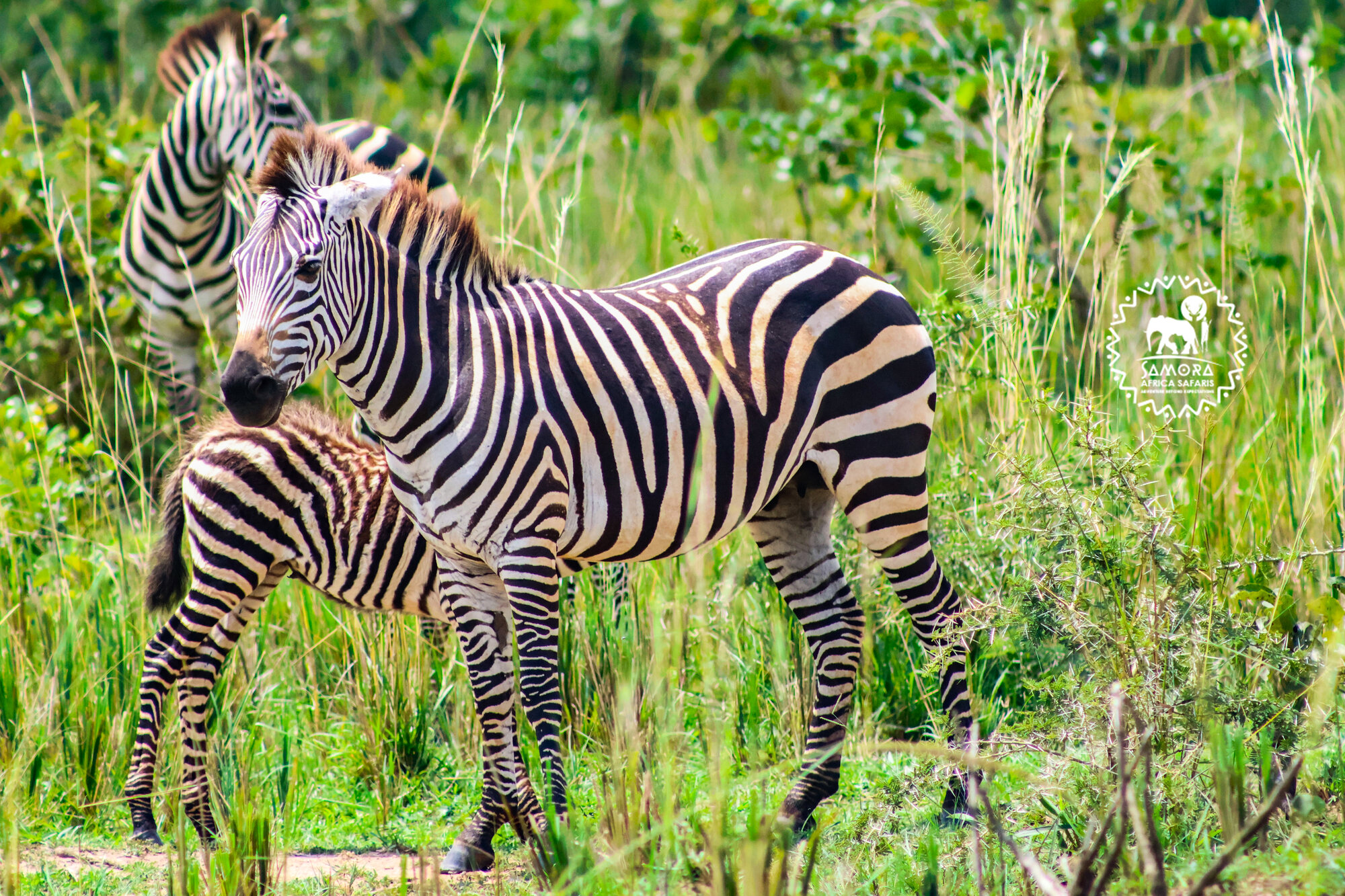
- Zebras
- Elands
- Jackson’s hartebeest
Primates
Alongside its large mammals, Kidepo’s varied habitats support several primate species, including:
- Olive baboons
- Vervet monkeys
- Patas monkeys
Birds
Kidepo is an important birding destination, with more than 470 recorded bird species found across its semi-arid landscapes.
Notable species include:
- Ostriches
- Kori bustards
- Secretary birds
- Abyssinian rollers
- Karamoja apalis
Birds
Kidepo is an important birding destination, with more than 470 recorded bird species found across its semi-arid landscapes.
Notable species include:
- Ostriches
- Kori bustards
- Secretary birds
- Abyssinian rollers
- Karamoja apalis
Landscapes and Ecosystems of Kidepo Valley National Park
Kidepo Valley National Park is characterised by a variety of landscapes shaped by semi-arid savannahs, mountain ranges, valleys, and seasonal water systems.
These habitats create suitable conditions for diverse wildlife while contributing to the park’s distinctive natural character.
The main landscapes and ecosystems include:
Open Savannah Plains
The park’s extensive grasslands support large mammals such as elephants, buffaloes, giraffes, zebras, and antelopes, while offering excellent visibility for wildlife viewing.
Narus Valley
Narus Valley is one of the park’s most important ecosystems, supported by permanent water sources that attract and sustain large concentrations of wildlife, especially during the dry season.
Kidepo Valley
Kidepo Valley features broad plains, seasonal river channels, and rugged terrain that support diverse wildlife habitats within the park’s semi-arid ecosystem.
Seasonal Rivers
The Kidepo and Narus rivers support the park’s ecosystem by providing seasonal water sources that sustain wildlife, especially during drier months when remaining pools become vital.
Rocky Outcrops
Rocky hills and scattered outcrops add geological diversity to the park’s landscape. They provide habitats for specialised plants, reptiles, and smaller wildlife adapted to the dry conditions.
Mount Morungole
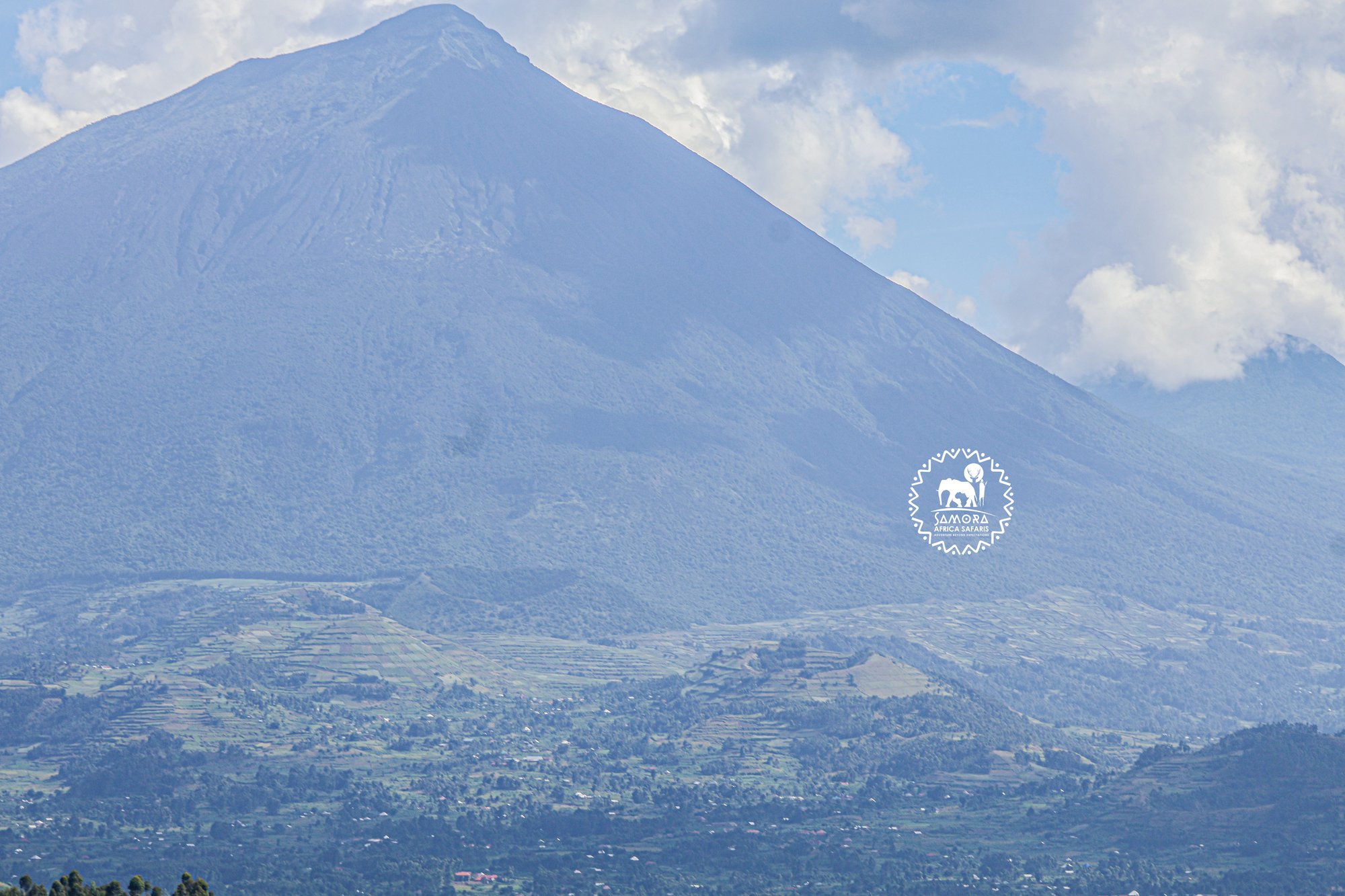
Rising to approximately 2,750 metres, Mount Morungole is the highest point in Kidepo Valley National Park. The mountain supports different vegetation zones and is closely associated with the cultural heritage of the Ik people.
Acacia Woodlands
Acacia woodlands are a key feature of Kidepo’s semi-arid landscape, providing food and shelter for wildlife such as giraffes, elephants, and antelopes while enhancing the park’s savannah scenery.
Top Attractions in Kidepo Valley National Park
Kidepo Valley National Park offers a collection of natural and cultural attractions that allow visitors to discover its wildlife, landscapes, and heritage. These highlights provide memorable experiences beyond traditional game viewing.
Wildlife Viewing in Narus Valley
Narus Valley is one of the best places in Kidepo for wildlife encounters. Visitors can enjoy excellent game viewing as animals gather around its water sources, particularly during the dry season.
Kidepo Valley Scenic Landscapes
The valley offers some of the park’s most impressive scenery, with wide-open plains, distant mountains, and dramatic views. Its peaceful surroundings make it a favourite area for photography and landscape appreciation.
Kanangorok Hot Springs
Located near the northern boundary of the park, Kanangorok Hot Springs are natural geothermal features that provide a unique attraction within Kidepo’s rugged savannah environment.
Mount Morungole Hiking Experience
Mount Morungole provides an opportunity for adventurous travellers to explore elevated landscapes, enjoy panoramic views, and learn about the cultural connection between the mountain and the Ik people.
Karamojong Cultural Encounters
Visits to Karamojong communities provide opportunities to learn about local traditions, pastoral lifestyles, cattle-keeping practices, and the cultural values that define the region.
Scenic River Landscapes
The seasonal rivers of Kidepo and Narus add beauty to the park’s scenery and create important locations for wildlife activity, especially when water remains available during dry periods.
Activities & Experiences in Kidepo Valley National Park
Kidepo Valley National Park offers diverse activities that showcase its wildlife, landscapes, and cultural heritage, allowing visitors to experience one of Uganda’s most distinctive safari destinations.
Game Drives
Game drives are the main wildlife activity in Kidepo, offering opportunities to explore open savannah plains and valleys while observing elephants, lions, cheetahs, giraffes, buffaloes, zebras, and other wildlife in their natural habitats.
Nature Walks
Guided nature walks provide a closer look at Kidepo’s environment, allowing visitors to discover plant species, smaller wildlife, geological features, and the ecological importance of the park’s habitats.
Birdwatching
With more than 470 recorded bird species, Kidepo is an excellent destination for bird enthusiasts. Its semi-arid landscapes support a variety of savannah birds, raptors, and dryland species.
Cultural Experiences with the Karamojong
Cultural encounters with the Karamojong offer insights into their traditions, pastoral lifestyle, cattle-keeping practices, and the cultural values that shape their relationship with the land.
Mountain Hiking
Mountain hiking provides opportunities to explore Kidepo’s elevated landscapes, including Mount Morungole. Visitors can enjoy scenic views, discover diverse vegetation, and learn about the cultural significance of the area.
Community Visits
Community visits allow travellers to interact with local residents, learn about daily life, traditional practices, and the heritage of communities living around Kidepo Valley National Park.
Cultural Experiences in Kidepo Valley National Park
Kidepo Valley National Park offers meaningful cultural experiences that introduce visitors to the traditions, customs, and daily life of the Karamojong people.
At Samora Africa Safaris, our Kidepo itinerary includes visits to Karamojong homesteads, offering cultural interactions, traditional kraal visits, and insights into local heritage.
These encounters provide insight into the community’s pastoral lifestyle, distinctive attire, cattle-keeping traditions, and the important role cattle play in Karamojong society.
Climate and Best Time to Visit Kidepo Valley National Park
Kidepo Valley National Park experiences a semi-arid climate influenced by its location in northeastern Uganda.
The park has warm temperatures throughout the year, with seasonal rainfall creating noticeable changes between dry and wet periods.
Semi-arid Climate
Kidepo’s climate is characterised by hot days, cooler mornings and evenings, and seasonal variations in weather conditions. Daytime temperatures generally range between 24°C and 34°C throughout the year.
Rainfall is limited and seasonal, with the main rains occurring from April to August and a shorter wet period around October and November.
These conditions shape the park’s open grasslands, seasonal rivers, and dryland habitats that support its unique wildlife.
Dry Seasons: Best Time for Wildlife Viewing
The main dry seasons occur from December to February and June to September. During these months, vegetation becomes shorter and wildlife gathers around remaining water sources, making animals easier to spot.
The dry periods also provide better road conditions and clearer visibility, making them ideal for game drives and wildlife photography.
Wet Seasons: Green Landscapes and Birdlife
The wet seasons occur mainly from March to May and October to November, bringing greener landscapes, fresh vegetation, and increased ecological activity.
This period is particularly rewarding for birdwatching and photography, as bird activity increases and the scenery becomes more vibrant.
Although some roads may become more challenging, fewer visitors create a quieter safari experience.
Year-Round Travel Considerations
Kidepo Valley National Park can be visited throughout the year, with the best time depending on travellers’ interests, preferred experiences, and scheduled holiday periods.
The dry seasons are recommended for wildlife viewing, while the wetter months are ideal for birdwatching, photography, and enjoying the park’s greener scenery.
Accommodation in Kidepo Valley National Park
Kidepo Valley National Park offers a limited selection of accommodation facilities due to its remote location and protected wilderness setting.
The available options provide comfortable stays while allowing visitors to enjoy the park’s landscapes, wildlife, and peaceful surroundings.
Accommodation options include:
Luxury Lodges
Luxury lodges in Kidepo provide high levels of comfort, excellent services, and scenic locations that blend with the natural environment.
They offer spacious rooms, quality dining, and convenient access to wildlife areas.
Mid-range Lodges
Mid-range lodges offer comfortable accommodation with essential facilities, providing a balance between affordability and convenience for travellers exploring the park.
Budget Accommodation
Budget accommodation provides practical and affordable options for visitors seeking simple facilities while enjoying Kidepo’s attractions and activities.
Campsites
Campsites offer an immersive outdoor experience, allowing travellers to connect with Kidepo’s wilderness and enjoy its natural sights and sounds.