Queen Elizabeth National Park
Uganda Western Uganda
Queen Elizabeth National Park, Uganda
Queen Elizabeth National Park is located in western Uganda within the Albertine Rift Valley and covers approximately 1,978 square kilometres.
Established in 1952 as Kazinga National Park, it was renamed in 1954 following the visit of Queen Elizabeth II of the United Kingdom.
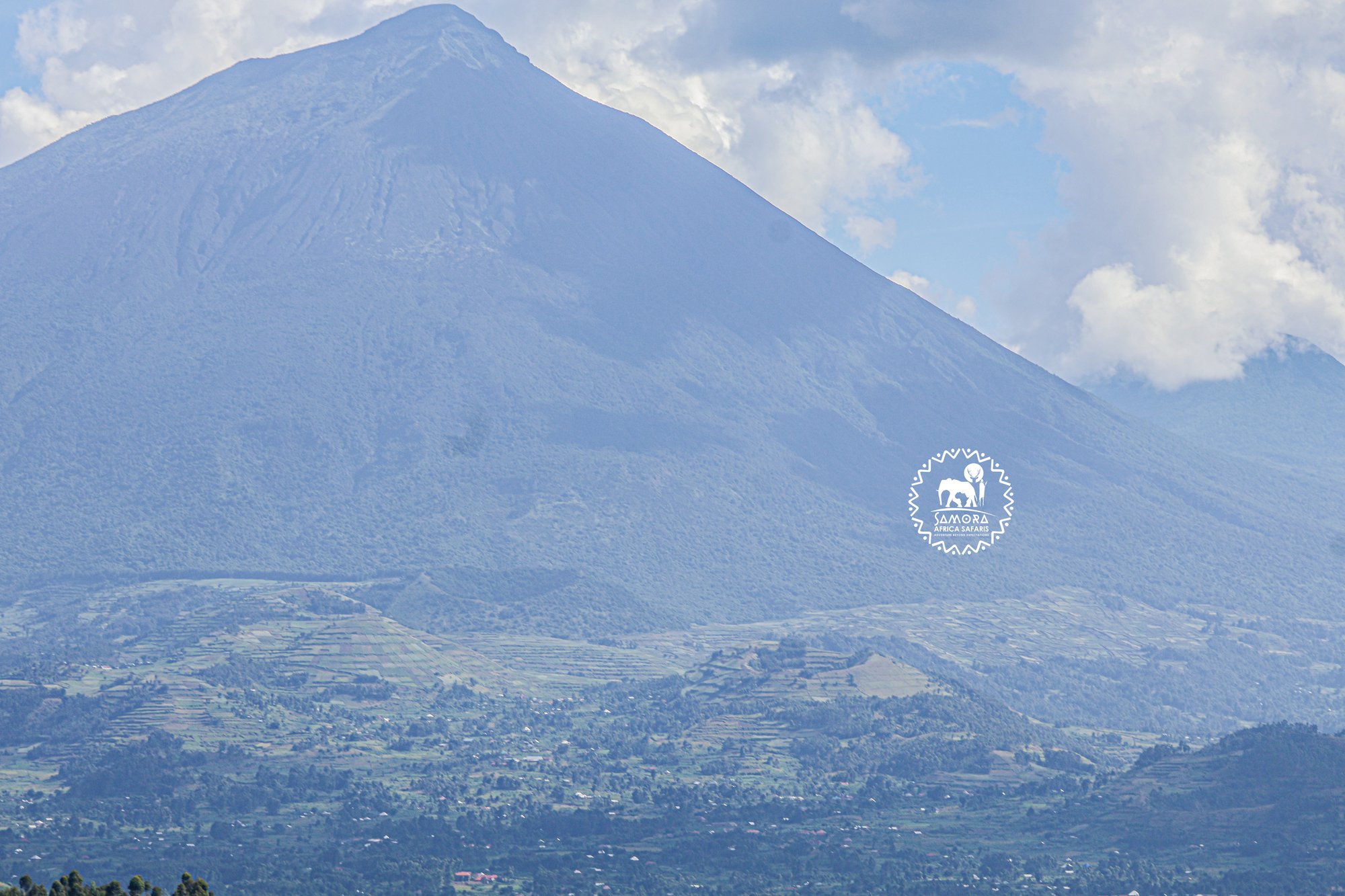
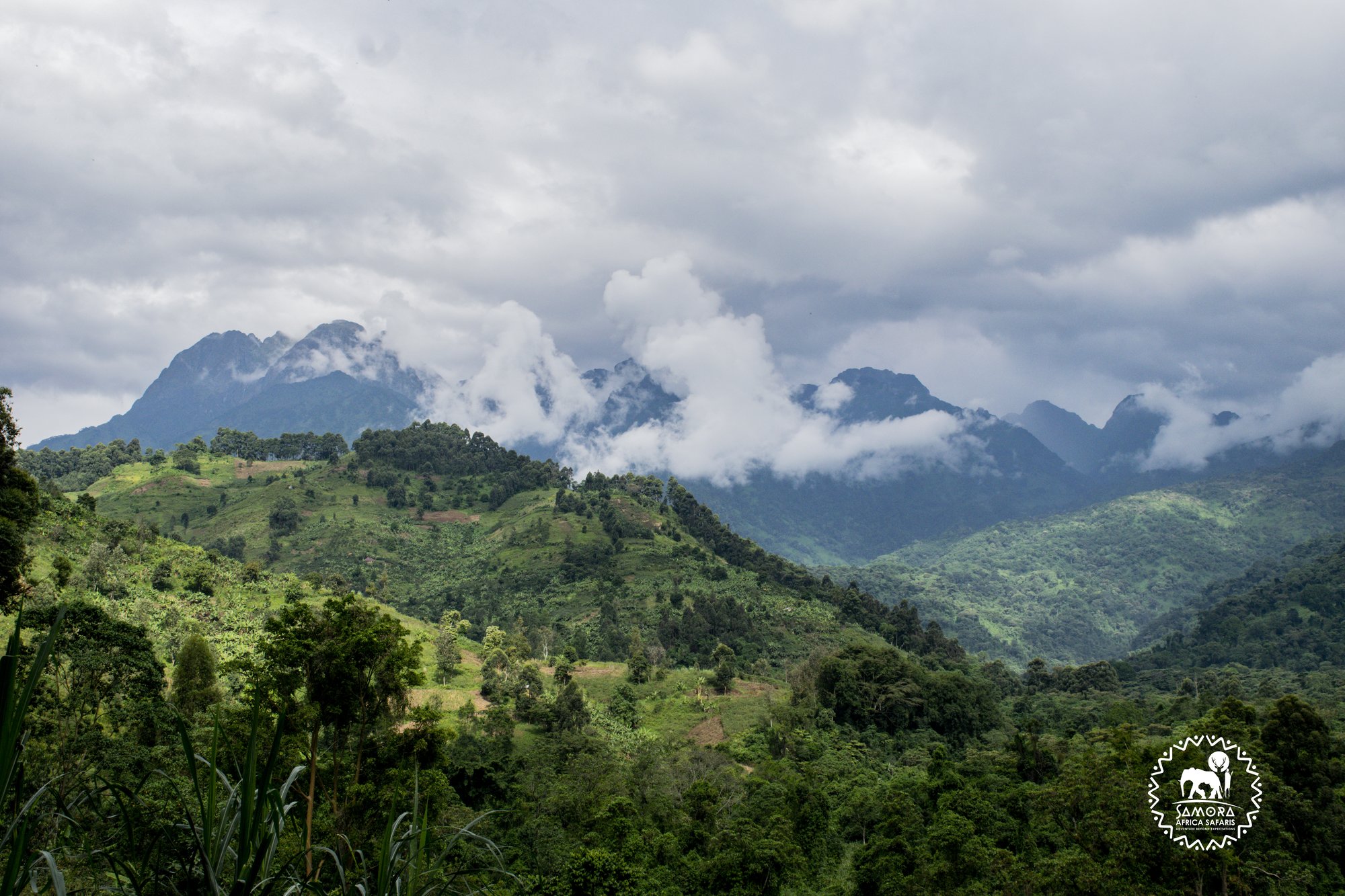
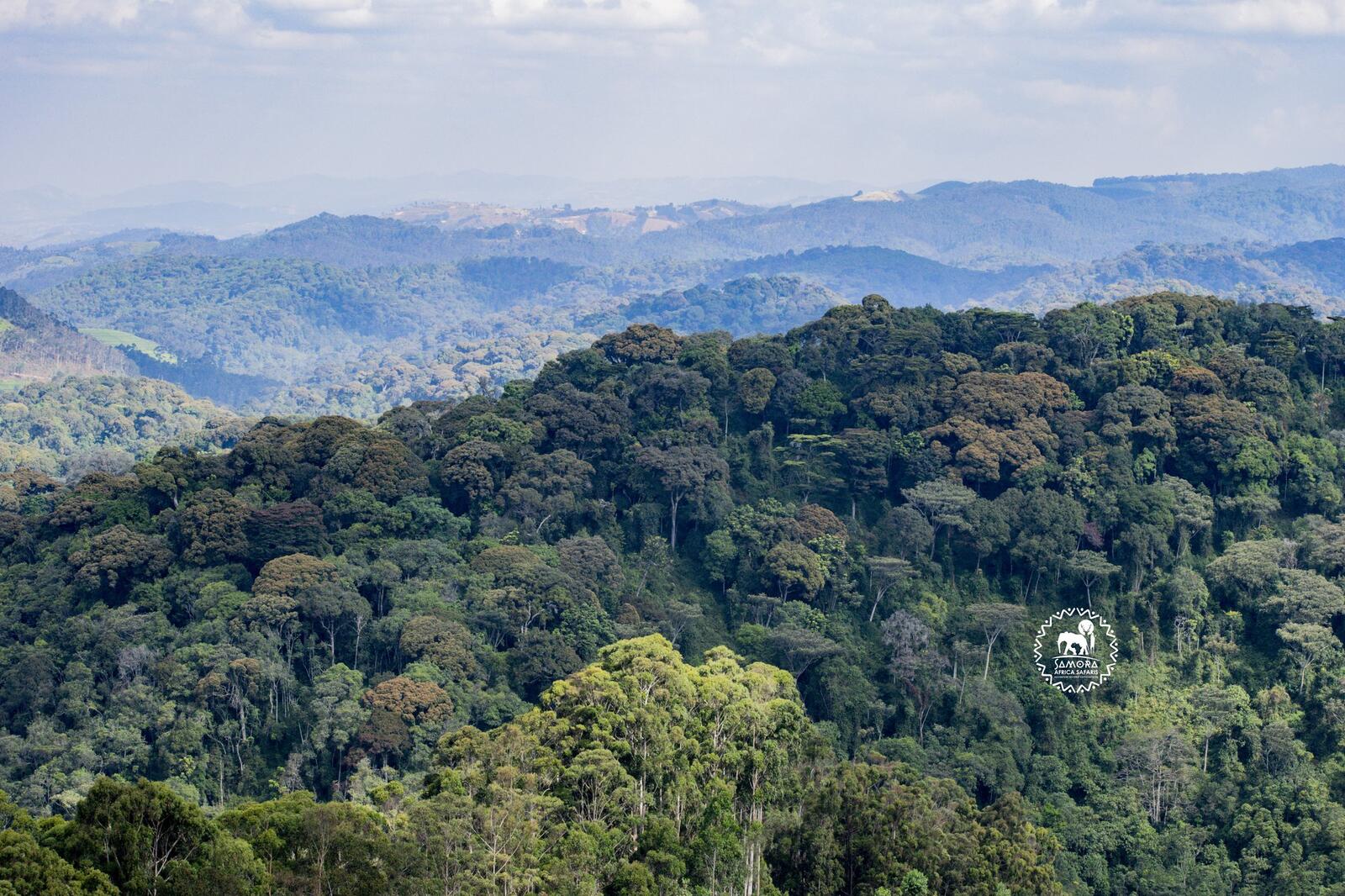
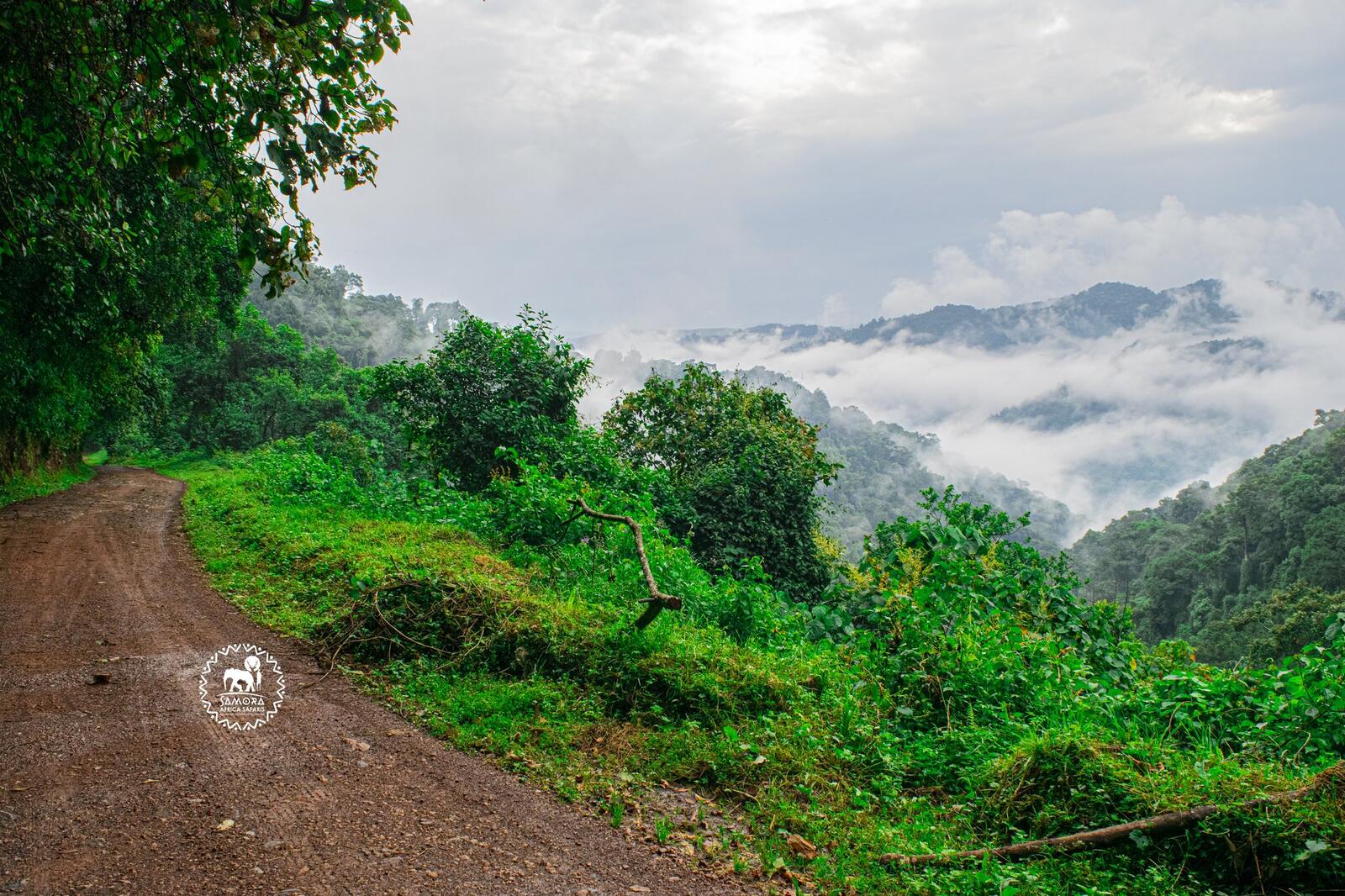
The park stretches between the Rwenzori Mountains and Lake Edward, encompassing open savannahs, forests, wetlands, crater lakes, and the famous Kazinga Channel, creating one of Uganda's richest protected landscapes.
As Uganda's most visited national park, it is celebrated for its remarkable wildlife, varied ecosystems, and spectacular scenery.
Why Visit Queen Elizabeth National Park
Queen Elizabeth National Park offers an exceptional combination of wildlife, scenic landscapes, and diverse habitats, making it one of Uganda's leading safari destinations.
- Diverse Ecosystems: Explore open savannahs, forests, wetlands, crater lakes, and freshwater ecosystems within a single protected area.
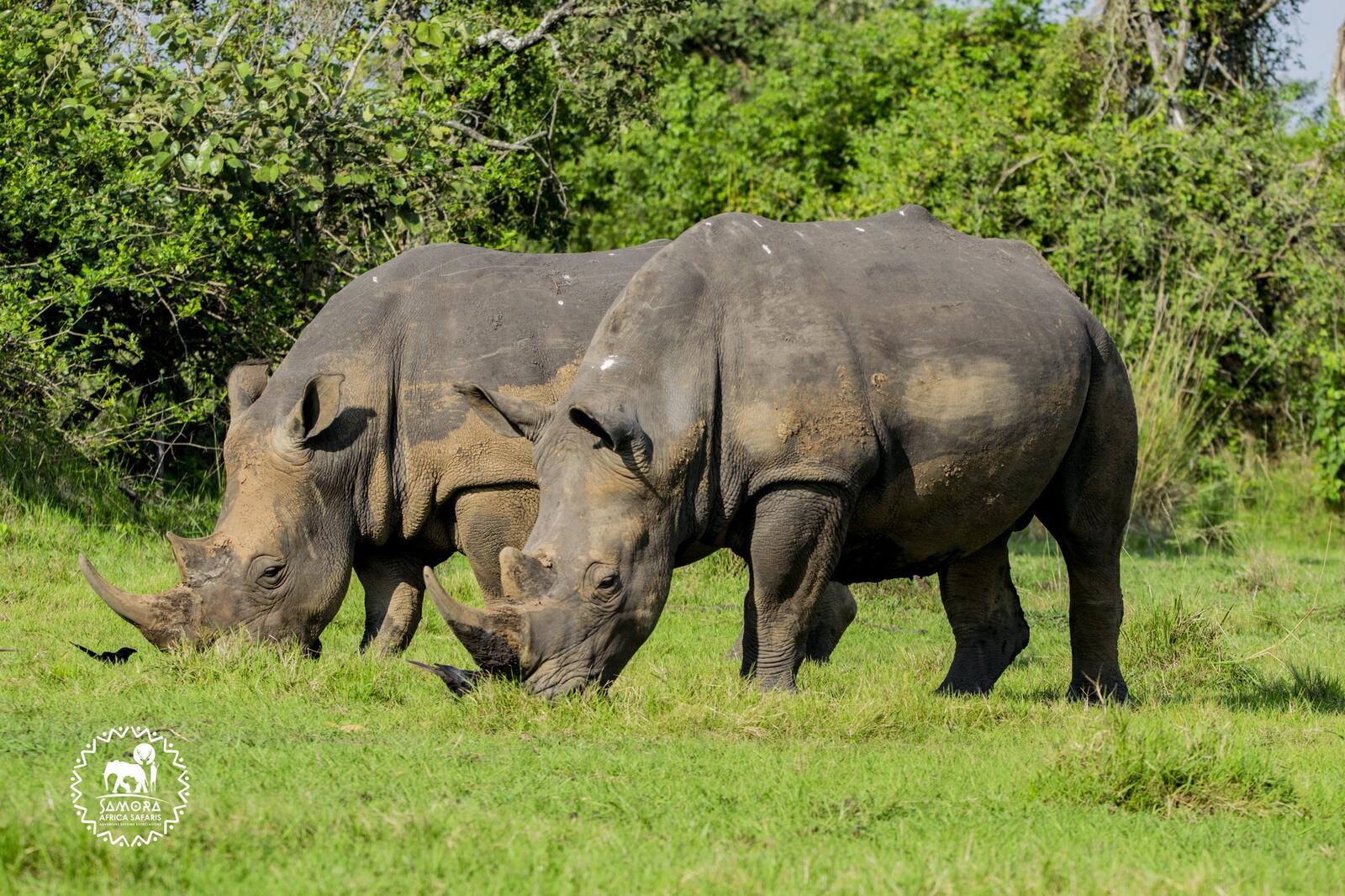
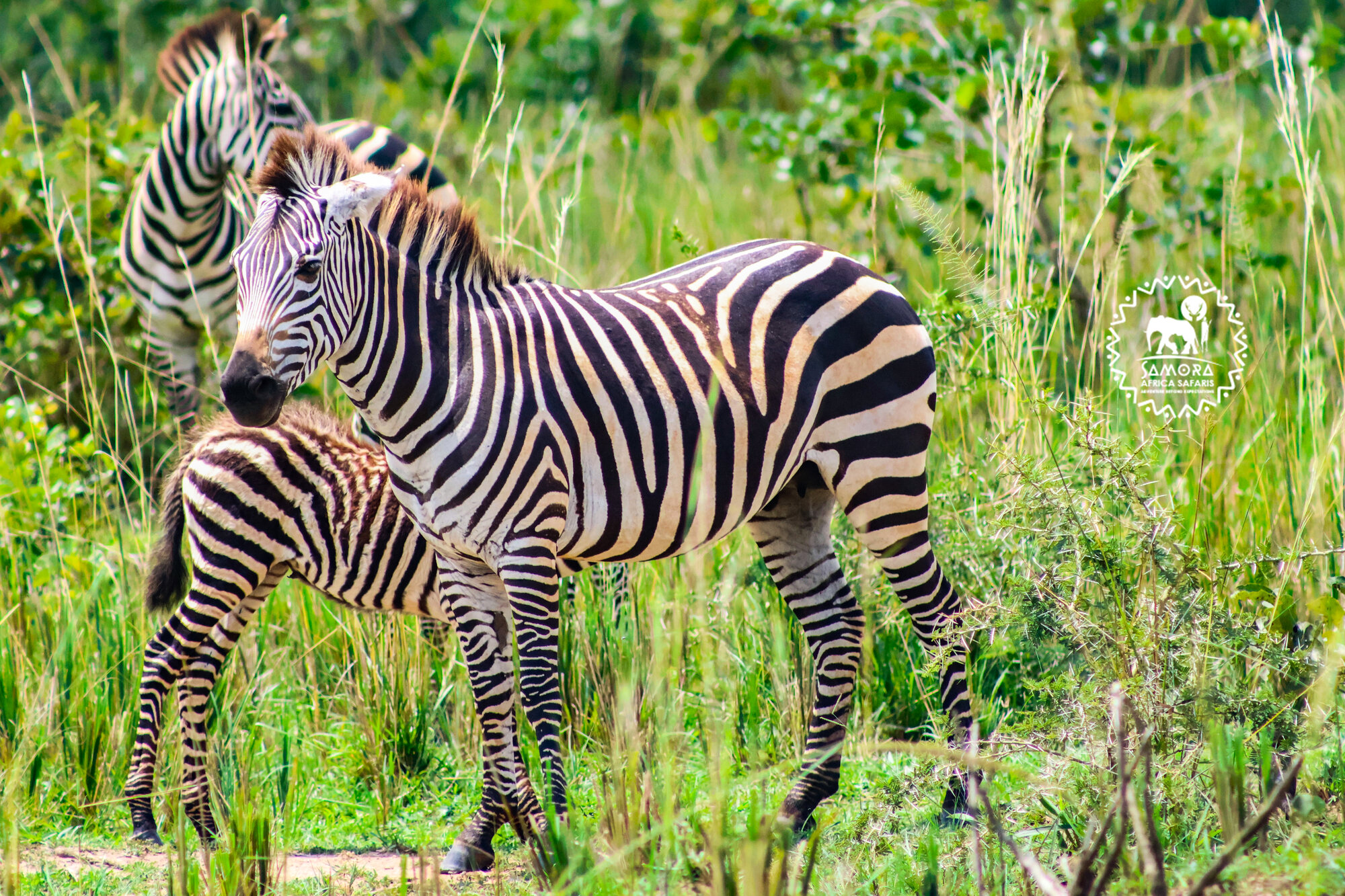
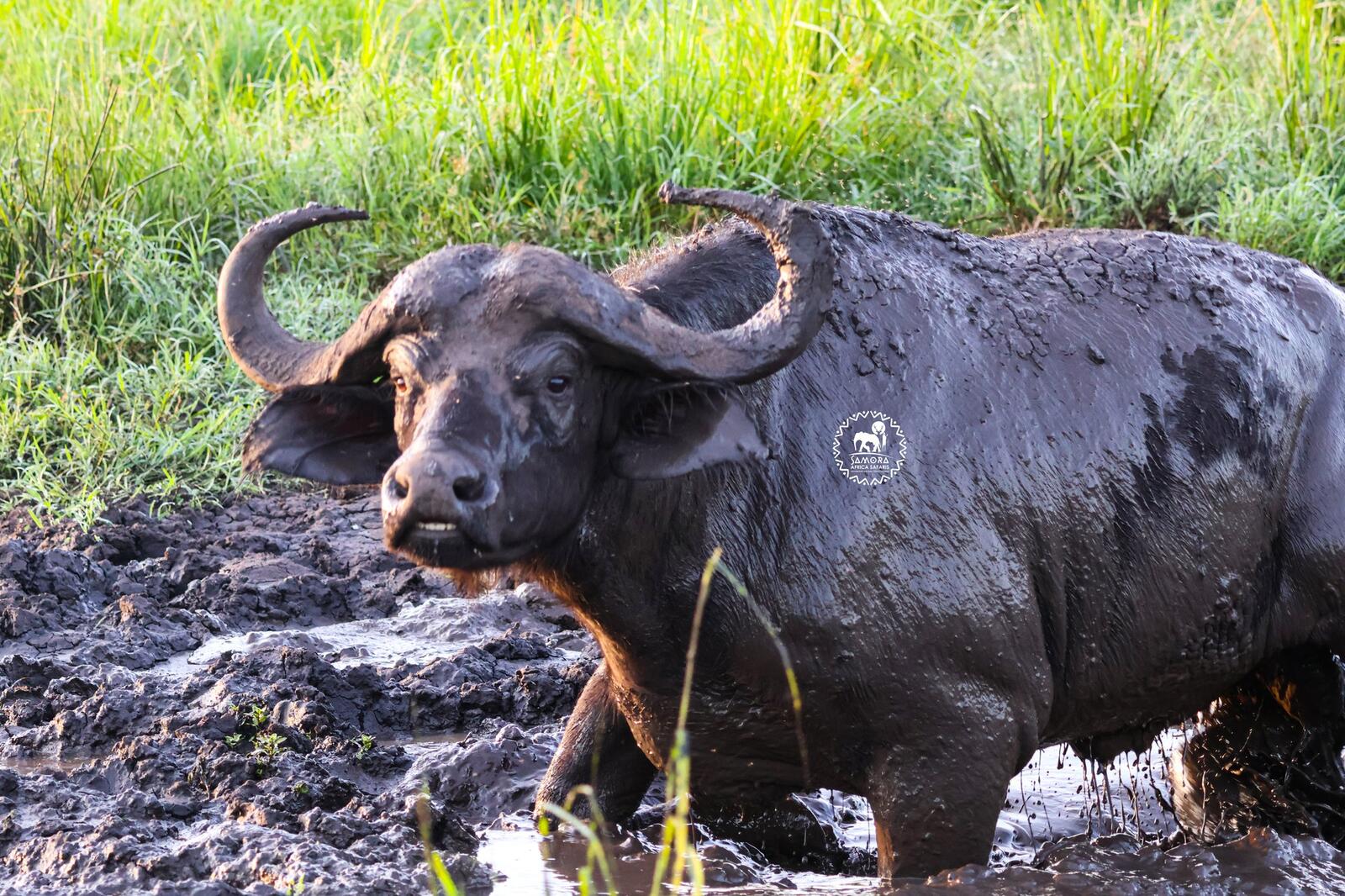
- Exceptional Wildlife: The park supports elephants, lions, leopards, buffaloes, hippos, Uganda kob, and many other species.
- Tree-Climbing Lions: The Ishasha sector is internationally known for lions that regularly rest in fig and acacia trees.
- Kazinga Channel: This 32-kilometre waterway attracts large concentrations of hippos, crocodiles, elephants, buffaloes, and waterbirds.
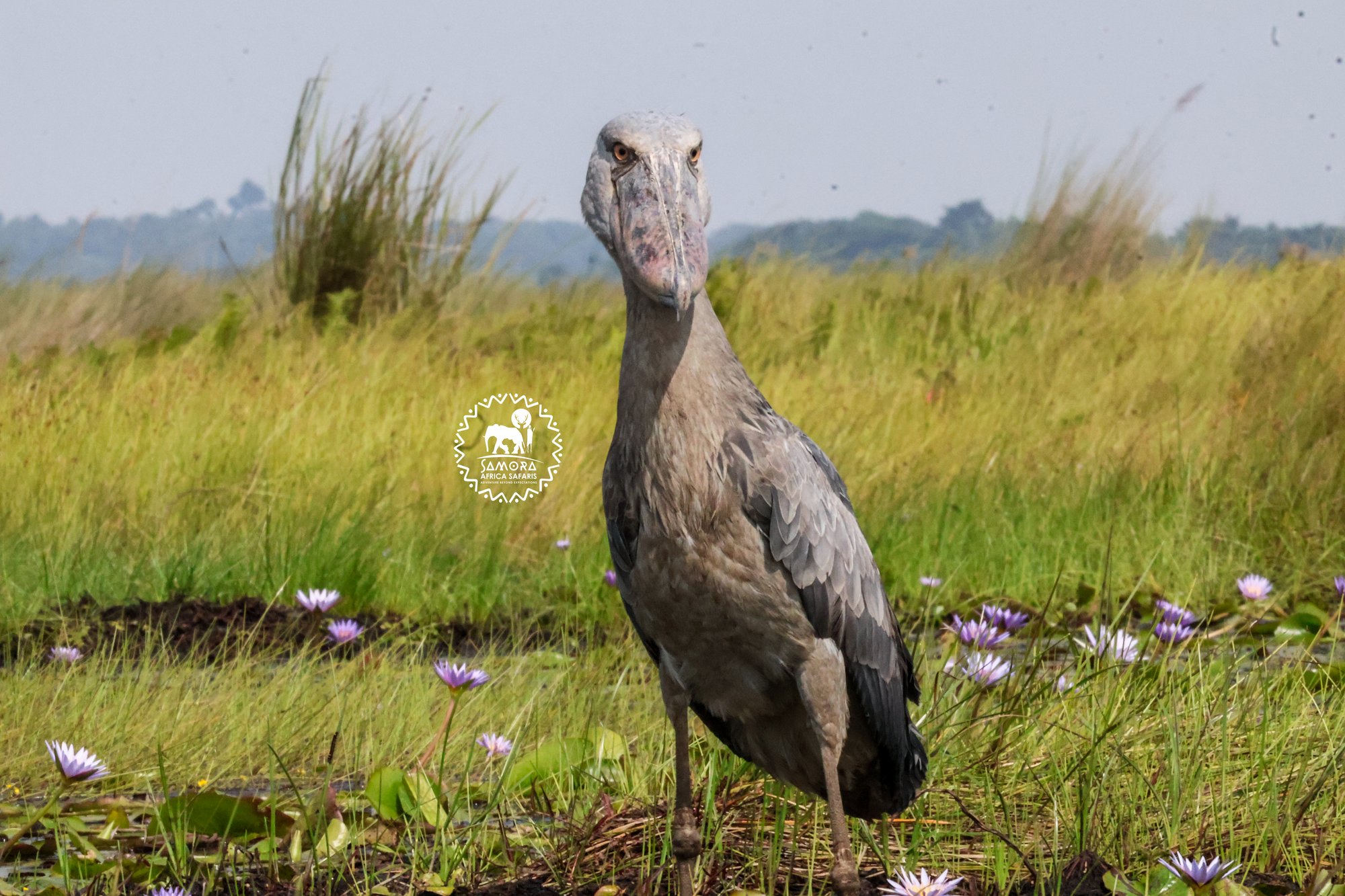
- Outstanding Birdlife: With more than 600 recorded bird species, the park ranks among Africa's finest birdwatching destinations.
- Crater Lakes: Scenic volcanic lakes provide beautiful viewpoints and add to the park's geological diversity.
- Scenic Landscapes: Rolling savannahs, forests, wetlands, lakes, and mountain backdrops create breathtaking scenery throughout the park.
Wildlife in Queen Elizabeth National Park
Queen Elizabeth National Park supports an impressive variety of wildlife across its savannahs, forests, wetlands, lakes, and waterways.
These diverse habitats provide excellent opportunities to observe large mammals, primates, reptiles, and more than 600 bird species.
Savannah Wildlife
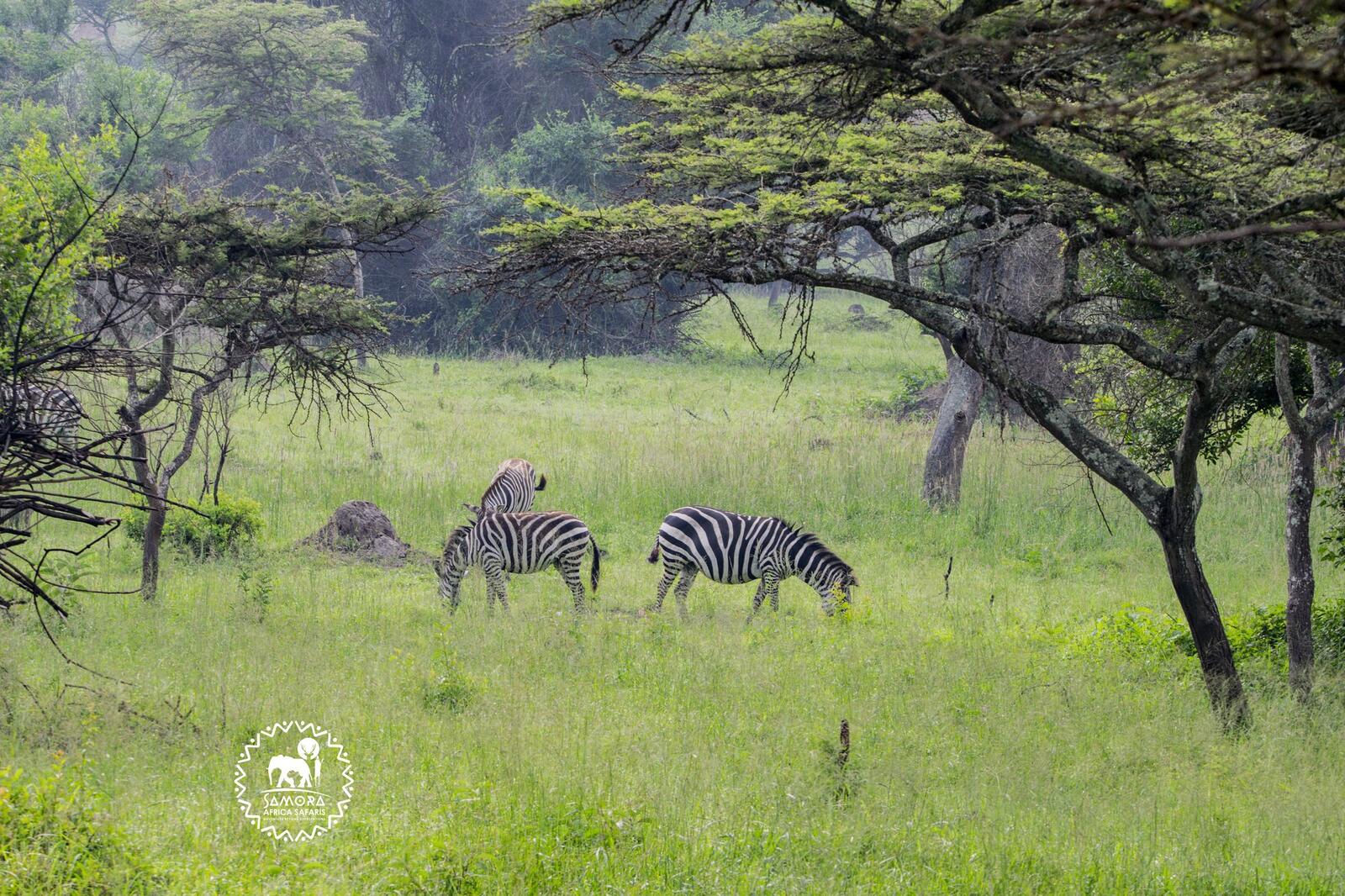
The park's open grasslands support many of Uganda's best-known mammals, making game drives highly rewarding.
Common species include:
- Lions
- Leopards
- African elephants
- Spotted hyenas
- Uganda kob
- African buffaloes
- Warthogs
Aquatic Wildlife
The Kazinga Channel and surrounding wetlands provide ideal habitats for aquatic wildlife, including common species such as:
- Hippopotamuses
- Nile crocodiles
Primates
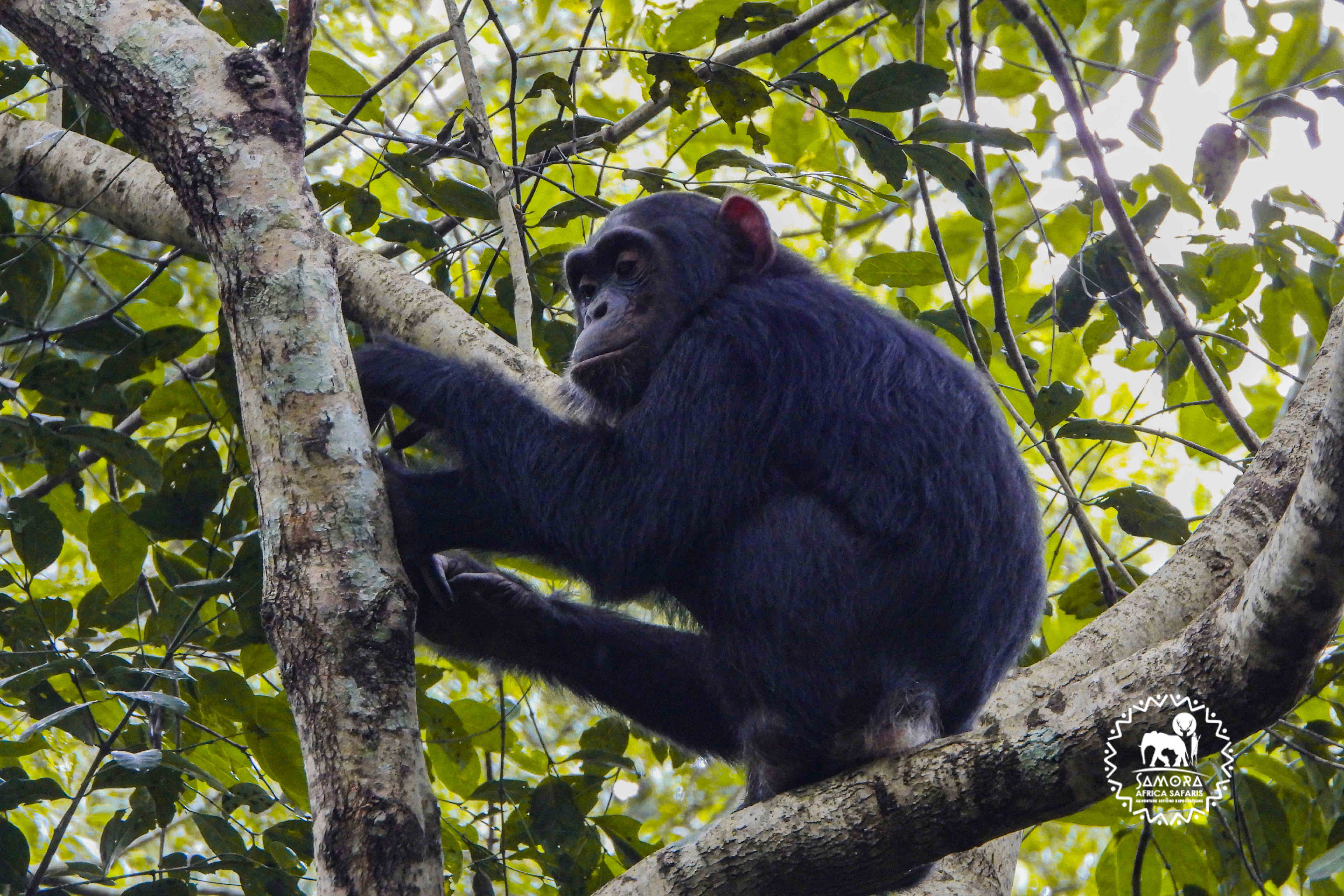
Forested areas, including Kyambura Gorge and Maramagambo Forest, support several primate species, such as:
- Chimpanzees
- Black-and-white colobus monkeys
- Red-tailed monkeys
- Vervet monkeys
- Olive baboons
- L'Hoest's monkeys
Birdlife
Queen Elizabeth National Park is one of Africa's premier birdwatching destinations, with more than 600 recorded bird species.
Its wetlands, forests, grasslands, and lakes provide habitats for resident and migratory birds throughout the year.
Landscapes and Ecosystems of Queen Elizabeth National Park
Queen Elizabeth National Park features a diverse range of natural environments that support its rich biodiversity and create spectacular landscapes throughout the year.
Open Savannah Plains
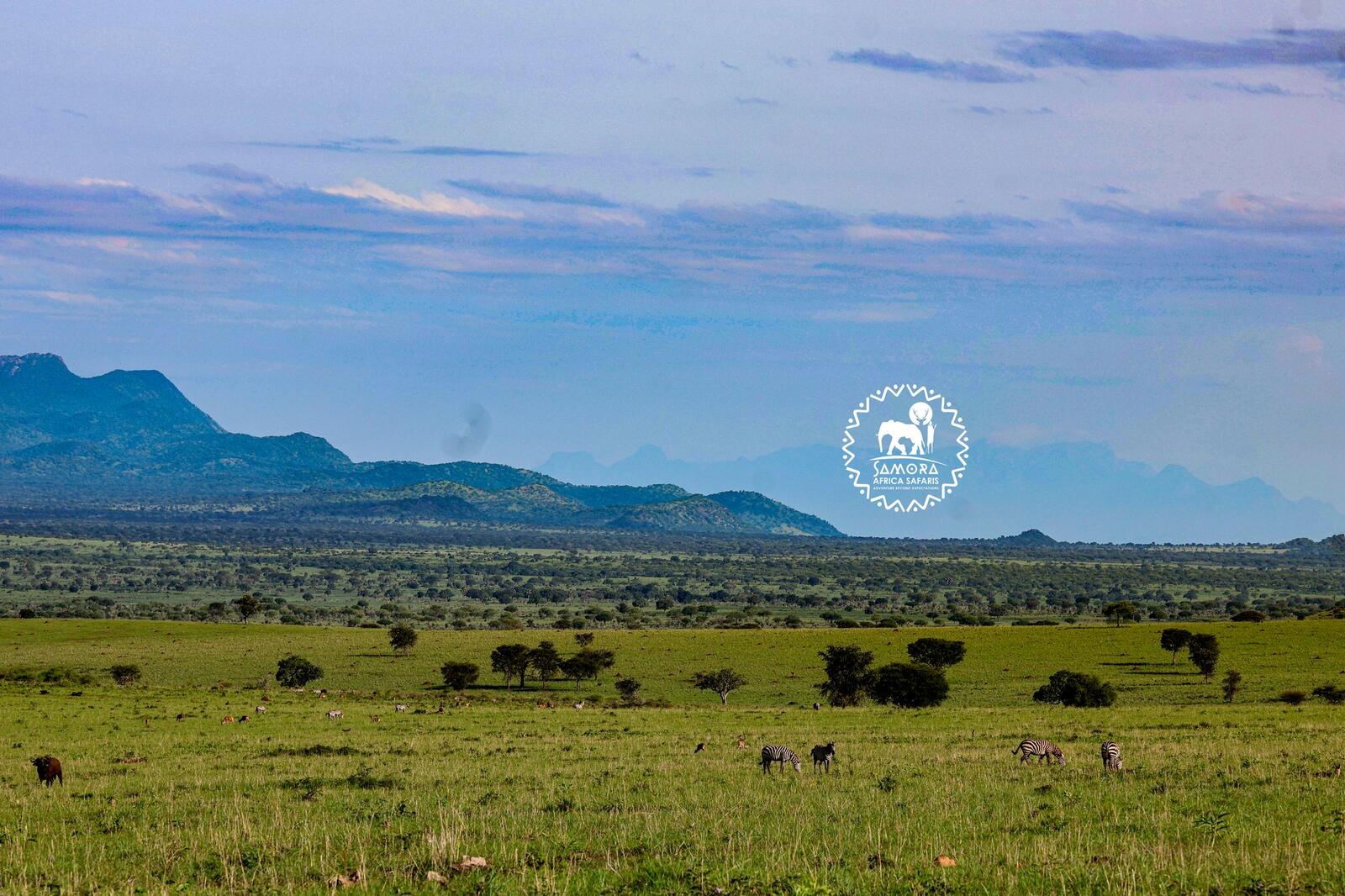
Expansive grasslands dominate much of the park, providing ideal habitats for grazing animals and predators.
Key highlights:
- Habitat for elephants, buffaloes, lions, Uganda kob, and other savannah wildlife.
- Excellent areas for game drives and wildlife viewing.
- Wide open landscapes with panoramic views.
Forests and Woodlands
The park's forests and woodlands create important habitats for primates, birds, and numerous plant species.
Key highlights:
- Shelter chimpanzees and other primates.
- Support diverse birdlife.
- Provide opportunities for guided forest walks.
Wetlands
Wetlands play an essential ecological role by supporting aquatic wildlife and numerous bird species.
Key highlights:
- Feeding and breeding grounds for birds.
- Important habitats for aquatic wildlife.
- Rich vegetation supporting biodiversity.
Crater Lakes
Ancient volcanic activity created numerous crater lakes that contribute to the park's scenic beauty.
Key highlights:
- Spectacular viewpoints.
- Unique volcanic landscapes.
- Important freshwater habitats.
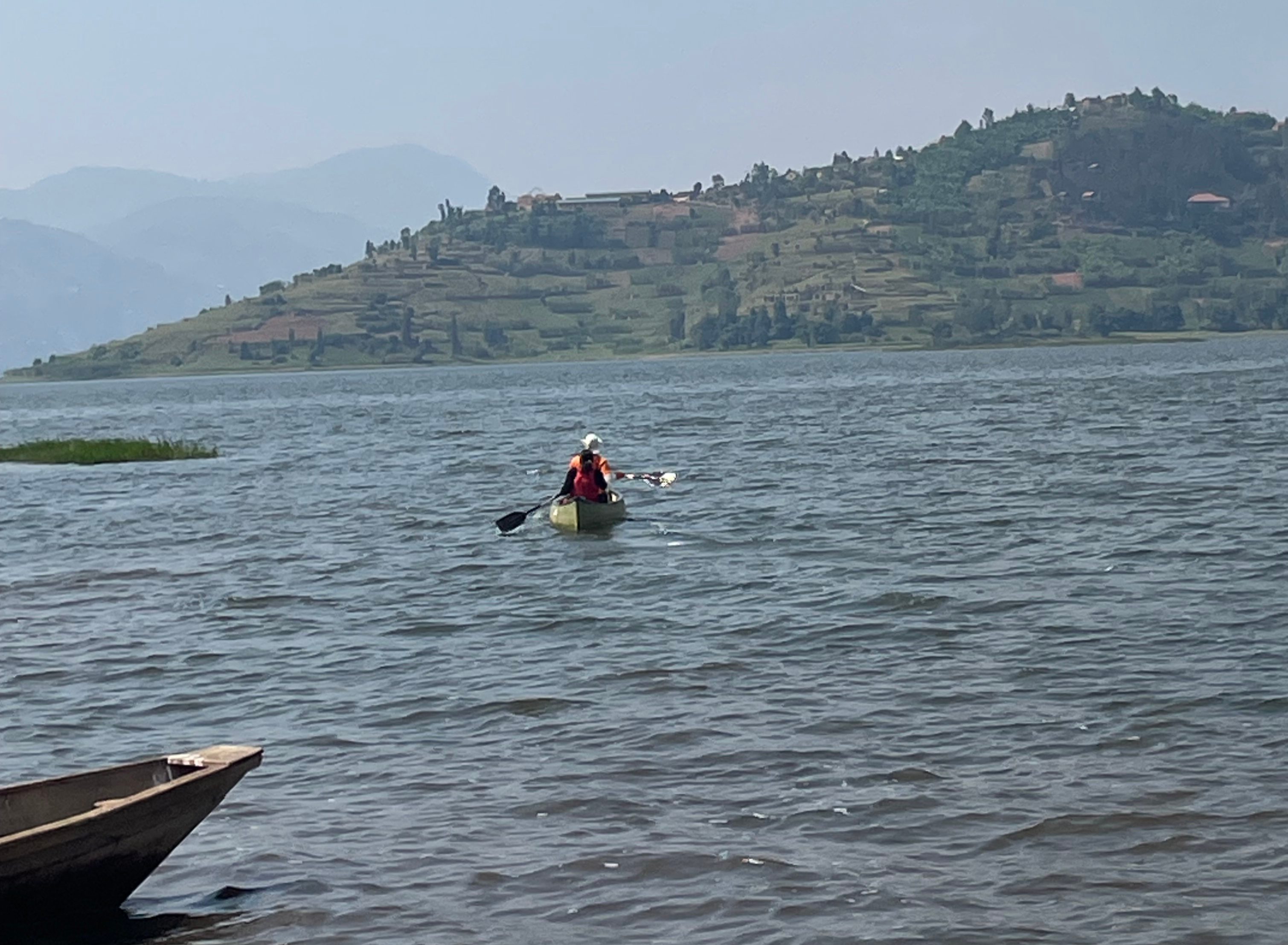
Lakes and Water Bodies
Lake Edward and Lake George form significant freshwater ecosystems within the park.
Key highlights:
- Support aquatic wildlife.
- Attract waterbirds.
- Enhance the park's ecological diversity.
Kazinga Channel
The Kazinga Channel links Lake Edward and Lake George and is among the park's most important wildlife areas.
Key highlights:
- Home to large populations of hippos and crocodiles.
- Attracts elephants, buffaloes, and waterbirds.
- One of Uganda's finest locations for boat safaris.
Top Attractions in Queen Elizabeth National Park
Queen Elizabeth National Park features a collection of outstanding natural attractions that showcase its wildlife, landscapes, and geological diversity.
Kazinga Channel
A scenic 32-kilometre waterway connecting Lake Edward and Lake George, renowned for its exceptional concentrations of hippos, crocodiles, elephants, buffaloes, and birdlife.
Tree-Climbing Lions of Ishasha
The southern Ishasha sector is famous for lions that regularly climb and rest in large fig and acacia trees.
Kyambura Gorge
Often called the Valley of Apes, this Spectacular forested gorge is home to chimpanzees and several other primate species.
Mweya Peninsula
The park's main tourism hub, offering panoramic views and convenient access to game drives, boat cruises, and accommodation.
Katwe Salt Lake
A historic salt lake where visitors can learn about traditional salt extraction and its importance to surrounding communities.
Crater Lakes
Beautiful volcanic lakes surrounded by rolling hills that offer excellent viewpoints and scenic photography opportunities.
Maramagambo Forest
One of Uganda's largest natural forests, known for its primates, birdlife, caves, and guided nature walks.
Activities & Experiences in Queen Elizabeth National Park
Queen Elizabeth National Park offers a variety of activities that allow visitors to experience its wildlife, waterways, forests, and surrounding communities.
- Game Drives: Explore Kasenyi Plains and the Ishasha sector in search of lions, elephants, buffaloes, and other wildlife.
- Boat Cruises: Discover the Kazinga Channel while observing hippos, crocodiles, elephants, buffaloes, and numerous waterbirds.
- Chimpanzee Tracking: Join guided treks through Kyambura Gorge to search for wild chimpanzees.
- Birdwatching: Discover more than 600 bird species across the park's diverse habitats.
- Nature Walks: Explore selected trails with experienced guides while learning about the park's ecosystems.
- Cultural Experiences: Visit nearby communities to discover local traditions and daily life.
Experiential Tourism in Queen Elizabeth National Park
Queen Elizabeth National Park offers unique conservation experiences that allow participants to work alongside wildlife researchers and gain firsthand knowledge of wildlife monitoring and protection.
Activities such as lion tracking, mongoose monitoring, and hippo census programmes provide opportunities to observe research activities, understand animal behaviour, and support ongoing conservation initiatives.
Participants learn how scientists track wildlife, collect data, and study ecosystems using tools such as GPS devices, radio collars, camera traps, and recording equipment while gaining insight into the park’s conservation efforts.
Climate and Best Time to Visit
Queen Elizabeth National Park enjoys a pleasant tropical climate throughout the year, with average daytime temperatures generally ranging between 28–30°C (82–86°F).
Dry Seasons (December to February & June to September)
Dry months offer the best wildlife viewing, with reduced vegetation making animals easier to spot and improved road conditions enhancing access.
Average temperatures:
- Daytime: 28–30°C (82–86°F)
- Nighttime: 16–18°C (61–64°F)
Wet Seasons (March to May & October to November)
Rainy seasons bring lush landscapes, excellent birdwatching, and quieter safari experiences with fewer visitors.
Average temperatures:
- Daytime: 27–29°C (81–84°F)
- Nighttime: 17–19°C (63–66°F)
Year-Round Travel Consideration
Queen Elizabeth National Park can be visited throughout the year. The dry seasons are ideal for wildlife viewing and easier travel, while the wetter months offer greener scenery, outstanding birdwatching, and a quieter atmosphere.
Accommodation in Queen Elizabeth National Park
Queen Elizabeth National Park offers accommodation to suit a wide range of travel styles and budgets.
Visitors can choose from luxury lodges, mid-range accommodation, budget-friendly stays, and camping facilities.
Accommodation is available both inside the park and in nearby areas. Lodges within the park provide immersive stays close to wildlife, while properties outside offer convenient access and proximity to surrounding communities.
Luxury Lodges
Luxury lodges provide premium comfort, excellent service, and outstanding locations overlooking the park's landscapes.
Mid-Range Lodges
Mid-range accommodation combines comfort, value, moderate modern amenities, and convenient access to key attractions.
Budget Accommodation
Budget-friendly options provide practical facilities for travellers seeking affordable accommodation without sacrificing convenience.
Camping
Camping offers an authentic outdoor experience, with options ranging from basic campsites to well-equipped tented facilities.